
Carcassonne Architectural Styles: 2025 Guide
Explore the diverse Carcassonne architectural styles in this complete 2025 travel guide. Plan your visit to this historic fortress today!
On this page
Carcassonne is a stunning city in southern France that attracts millions of visitors every year. The city is famous for its massive fortress and the unique Carcassonne architectural styles found there. You will see layers of history from the Roman era to the modern day today. Walking through the gates feels like stepping back in time to a different world entirely.
The Cité de Carcassonne stands high on a hill overlooking the lush Aude River valley below. It is one of the best-preserved medieval cities in the world today for global travelers. You can explore the castle, the basilica, and the miles of ancient stone walls easily. This guide will help you understand the different styles that make this city so special.
Romanesque Features in the Cité
The ancient Roman foundations sit at the very base of the massive fortress walls today. Many travelers can still see these early stones in the lower layers of the city. The original builders used small, square stones for their early construction projects in southern France. This specific style marks the historical start of the diverse Carcassonne architectural styles we see.
Romanesque influences appear clearly in the Saint-Nazaire Basilica during your walk through the ancient city. The nave reflects the simple and heavy designs of the eleventh century for visitors to admire. People often notice the thick walls and rounded arches inside the dark church interior today. These features provided great strength to the building's core structure during the early middle ages.
You can explore these Romanesque architecture examples in Carcassonne France during your 2025 trip. Guided tours explain the transition from Roman ruins to medieval stone for every curious traveler. Many walls still show the original red brick layers from antiquity in certain protected areas. These layers prove the long and complex history of the citadel to the modern world.
The Roman towers are shorter and rounder than the later medieval additions to the city walls. They served as vital lookout points for the early soldiers who guarded the historic Roman settlement. Modern visitors can identify them by their specific masonry patterns and the smaller stone sizes used. This early style shaped the future of the entire fortress city for many centuries after.
The Medieval Fortress and Defense
The medieval period brought tall towers and thick battlements to the landscape of Carcassonne city. These structures protected the city from many invading armies during the Middle Ages in France. You will find double walls that create a safe space for the defenders to move. This design represents the peak of Carcassonne medieval architecture and military engineering today.
The outer wall features numerous towers with narrow slits for archers to use very effectively. These defensive openings allowed soldiers to fire arrows while remaining safe behind the heavy stone walls. You can walk between the two walls to feel the scale of the defense system. This unique space is known locally as the Lices by the residents of the city.
The inner wall contains the most impressive towers with pointed roofs added during the later years. Each tower served a specific purpose for the knights who guarded the royal fortress city. You will notice the heavy gates and drawbridges that kept enemies out of the main castle. These features make the fortress look like a fairy tale come to life for visitors.
- The massive stone walls that kept the city safe from invaders during a long battle.
- The tall wooden galleries used by soldiers to drop stones on the enemies below them.
- The heavy iron gates that controlled access to the heart of the fortress town today.
Large stones were cut precisely to fit together without using much mortar in the defensive walls. This masonry technique ensured the walls could withstand heavy attacks from large siege engines in battle. Today, visitors can study the different types of stone used throughout the entire medieval citadel. The sheer scale of the project remains impressive to modern architects in the year 2025.
Gothic Elegance in Religious Buildings
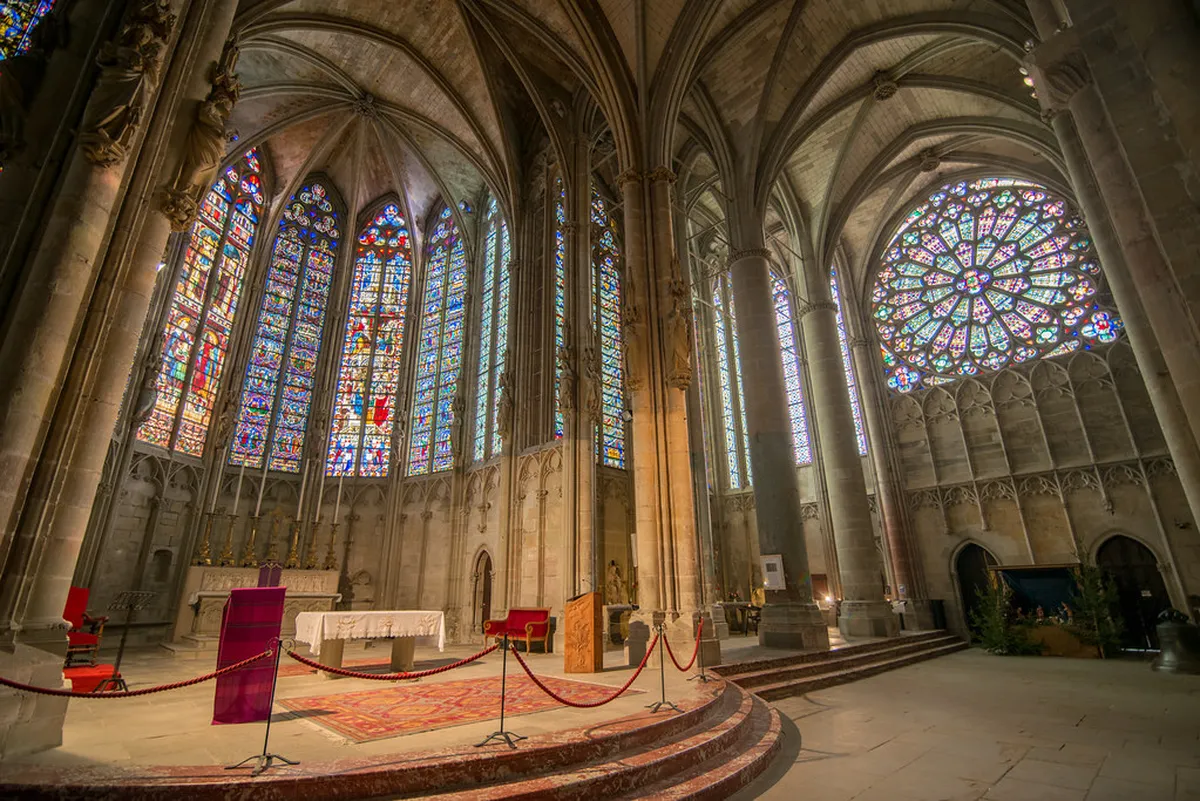
The transition to Gothic style brought light and height to the city's religious structures and buildings. Builders focused on tall windows and pointed arches to reach toward the heavens above the city. This movement changed the look of the Saint-Nazaire Basilica during the late thirteenth century significantly. It remains a prime example of Gothic architecture features in Carcassonne city for visitors.
The choir of the basilica displays stunning stained glass windows from the medieval period in France. These colorful glass panels tell stories from the Bible to the people who visited the church. Sunlight creates a beautiful display of colors across the ancient stone floors every sunny afternoon. It is a peaceful place to reflect on the artistic history of this famous region.
Ornate carvings and delicate stone tracery decorate the exterior of the beautiful Gothic sections of the church. Sculptors spent years creating detailed figures and patterns in the soft limestone of the local area. You can see mythical creatures and saints watching over the entrance to the holy church today. These artistic details showcase the incredible skill of the medieval French craftsmen and local artists.
The vaulted ceilings use ribbed arches to distribute the heavy weight of the stone roof above. This engineering allowed for thinner walls and much larger windows than the older Romanesque style offered. Engineers in 2025 still admire the balance between beauty and strength in these high ceilings. Visiting the basilica is essential for anyone interested in the local history and religious art.
Viollet-le-Duc and the Restoration
In the nineteenth century, the city was falling into a state of deep decay and neglect. Many walls were crumbling and the roofs had vanished from the majestic stone towers of the city. The French government decided to save this national treasure through a massive restoration project at the time. This effort helped define the evolution of Carcassonne building styles during that specific era.
Eugene Viollet-le-Duc was the famous architect chosen to lead the restoration of the ancient citadel walls. He believed in restoring buildings to a complete state that might never have actually existed before. This approach led to the addition of the iconic pointed slate roofs on the many towers. Some historians debated his choices, but his work saved the city from total ruin and destruction.
The restoration project lasted for several decades and employed hundreds of local stonemasons and dedicated artists. They carefully rebuilt the battlements and strengthened the foundations of the ancient outer walls of the city. Today, the preservation of Carcassonne architecture is a major priority for the French national authorities. Visitors can see the difference between the original stones and the nineteenth-century repairs very easily.
Viollet-le-Duc also worked on the Comtal Castle to restore its royal appearance for modern visitors. He added wooden galleries and reinforced the massive gatehouses that guard the main entrance to the castle. His vision created the romantic image of the Carcassonne architectural styles that we all know today. It remains one of the most successful restoration projects in all of Europe for travelers.
Modern Influences in the Lower City
The Bastide Saint-Louis is the lower city located across the river from the historic citadel walls. It was built in the thirteenth century but features many later architectural styles for visitors today. You will find wide streets and open squares that contrast with the narrow fortress alleys above. This area shows a different side of the local culture and regional building history today.
Elegant mansions from the eighteenth and nineteenth centuries line the streets of the lower town in Carcassonne. These buildings feature grand doorways and ornate iron balconies that overlook the busy public sidewalks today. Exploring this area provides a complete view of the diverse Carcassonne architectural styles in southern France. Many of these houses are now home to shops, museums, and local art galleries for everyone.
Modern art and creativity have also found a place within the historic streets of the modern city. You can discover vibrant street art and architecture in Carcassonne while walking through the neighborhoods. Murals often blend contemporary themes with the rich historical background of the surrounding stone buildings today. This mix of old and new makes the city feel alive and relevant for everyone.
The Canal du Midi also passes through Carcassonne, adding another layer of historical engineering to the city. This waterway features beautiful stone bridges and locks that were built during the seventeenth century in France. It is a UNESCO World Heritage site that complements the beauty of the medieval citadel perfectly. Taking a boat tour offers a unique perspective on the city's diverse and historic layout.
Frequently Asked Questions
What is the main architectural style of Carcassonne?
The main style is medieval military architecture, but it includes Roman and Gothic elements too. The fortress features double walls and fifty-two massive towers that protect the inner city today. You can see how these styles evolved over more than two thousand years of history.
Who was responsible for restoring the city walls?
Eugene Viollet-le-Duc was the architect who led the restoration in the middle of the nineteenth century. He added the pointed slate roofs and rebuilt the crumbling battlements to save the city walls. His work created the iconic look that visitors from around the world enjoy in 2025.
Are there Gothic buildings inside the fortress?
Yes, the Saint-Nazaire Basilica is a beautiful example of Gothic and Romanesque styles blended together today. The choir features large stained glass windows and high vaulted ceilings from the thirteenth century in France. It is one of the most important religious sites in the southern region of France.
Can I see modern art in this historic city?
Yes, the lower city and some areas near the walls feature modern art and vibrant murals. You can find information about best Carcassonne street art to guide your exploration of the local scene. This blend of history and modern creativity makes the city very unique and interesting.
Carcassonne is a true masterpiece of European architecture and history for every curious traveler today. From Roman foundations to Gothic windows, the city offers a visual feast for the eyes and mind. You can spend days exploring the narrow streets and the grand halls of the royal castle. We hope this guide helps you appreciate the beauty of the citadel in the year 2025.
Plan your visit carefully to enjoy all the sites and the vibrant local culture in France. Do not forget to explore the lower city for a more modern French experience and shopping today. You will find incredible history and beautiful designs around every corner of this historic fortress city. Enjoy your journey through the incredible layers of time in this beautiful and ancient French city.
Key Takeaways
- Explore the Saint-Nazaire Basilica for a mix of Romanesque and Gothic architecture.
- Walk between the inner and outer walls to understand medieval defensive systems.
- Visit the lower city to see elegant eighteenth-century mansions and modern street art.
- Look for the red Roman bricks at the base of the massive fortress towers.