
Carcassonne Medieval Architecture Guide 2025
Explore Carcassonne Medieval Architecture in 2025. Discover stunning towers, ancient walls, and hidden gems in this complete travel guide. Plan your trip now!
On this page
Carcassonne Medieval Architecture stands as a stunning testament to the rich history of southern France in 2025. This fortified city features massive stone walls that have protected local residents for many long centuries. Visitors can walk through ancient gates and explore the winding streets of this incredible UNESCO World Heritage site.
The city offers a unique glimpse into how people lived and defended their territory during the Middle Ages. You will find impressive towers and beautiful cathedrals that showcase the artistic skills of medieval builders. This guide provides all the essential information you need to plan a perfect visit to the citadel.
Evolution of Carcassonne Medieval Architecture and Walls
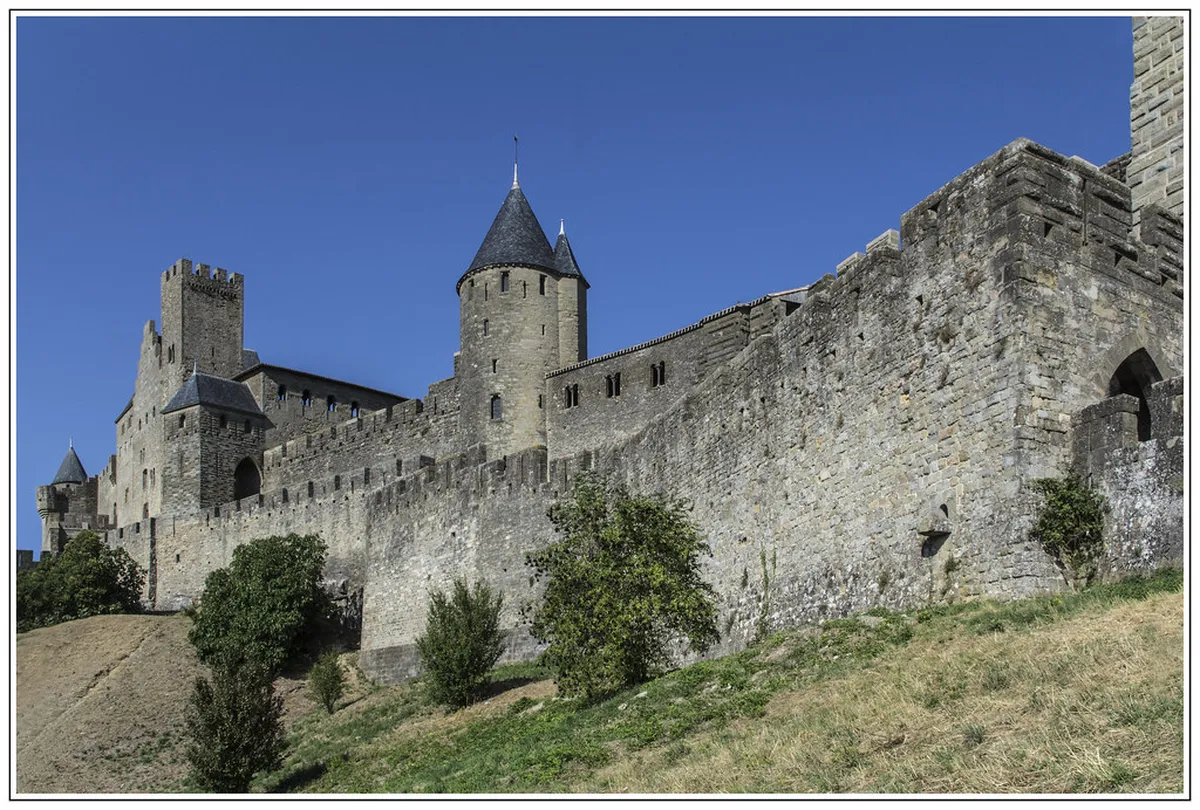
The outer walls of the citadel showcase incredible Roman and medieval engineering techniques. Engineers built these massive structures to withstand long sieges from powerful invading armies. Today, you can walk between the two sets of walls to see the defensive gaps. These spaces allowed defenders to trap enemies during various historical battles.
The inner circuit of walls dates back to the late Roman Empire and the Visigoths. These older structures feature smaller stones and distinctive red brick layers near the high foundations. You can explore the history of carcassonne castle architecture through these ancient stone walls. Experts believe these fortifications were once the strongest defensive line in all of Europe.
Tall towers were added during the thirteenth century to provide better views of the valley. Each tower has a specific purpose like storing food or housing soldiers during a siege. The pointed roofs are a later addition designed to protect the wooden structures from rain. These towers give the city its famous fairy-tale appearance that attracts many visitors every year.
Massive gates like the Porte Narbonnaise served as the main entrances to the fortified city. These gates featured heavy iron portcullises and wooden doors to keep out any unwanted intruders. You should look for the statue of Dame Carcas near the entrance of the main gate. This legendary figure represents the resilience and cleverness of the people who lived here long ago.
Detailed Design of the Famous Château Comtal
The Château Comtal serves as the central fortress within the majestic walls of the medieval city. This twelfth-century castle features defensive towers and a deep dry moat for extra protection. You can take a guided tour to learn about the carcassonne castle design and history. Tickets for the castle currently cost around 11 euros per person in 2025.
Inside the castle, you will find a series of courtyards that once hosted royal events. The architectural style focuses on military functionality while maintaining an elegant appearance for the ruling counts. Narrow stairs lead to the upper galleries where you can view the city from a high perspective. These galleries provided a safe place for soldiers to move quickly during an active defense.
The castle also houses a museum filled with stone carvings and ancient artifacts from the local area. You can see detailed sculptures that once decorated the walls of the city and nearby churches. Visiting this museum helps you understand the cultural importance of the region during the medieval period. It is a must-see attraction for anyone interested in the history of French military design.
Wooden hoarding structures were once attached to the top of the castle walls for extra defense. These wooden balconies allowed soldiers to drop heavy objects on enemies who were attacking from below. Most of these wooden features were reconstructed during the massive restoration efforts in the nineteenth century. They provide a vivid picture of how the castle looked during a medieval siege.
Gothic and Romanesque Styles in the Basilica
The Basilica of Saints Nazarius and Celsus displays a unique blend of Romanesque and Gothic styles. Its stunning stained glass windows are some of the oldest and most beautiful in southern France. Architects designed the choir in a soaring Gothic style during the late thirteenth century. You will notice the contrast between the heavy Romanesque nave and the light Gothic transept.
The interior of the church features intricate stone carvings and impressive statues of various religious figures. These artistic elements reflect the high level of craftsmanship available to the church during the Middle Ages. You can explore the carcassonne architectural styles by comparing the different sections of the basilica. Entry to the basilica is usually free, but you should respect ongoing religious services.
The organ inside the basilica is one of the oldest and most famous instruments in the country. Musicians from around the world come to play during special concerts and local religious festivals. The acoustics of the high stone vaults create a powerful sound that fills the entire space. Listening to a performance here is a memorable experience for any traveler visiting the city.
Exterior gargoyles serve both a decorative and a practical purpose by draining water away from the walls. These whimsical and sometimes frightening figures are classic examples of medieval architectural creativity and stone carving. Take some time to walk around the outside of the building to spot these hidden details. They add a touch of mystery to the holy atmosphere of the ancient basilica.
The Impact of Viollet-le-Duc on Preservation
Eugène Viollet-le-Duc began the massive restoration of the city during the nineteenth century. His work saved the preservation carcassonne architecture from complete ruin and collapse. Some critics argue that he added features that were not part of the original medieval design. However, his vision created the iconic skyline that millions of travelers enjoy visiting today.
Before the restoration, many of the stone walls were crumbling and being used for building materials. Local residents had built houses directly against the ancient fortifications throughout the centuries of neglect. Viollet-le-Duc cleared these structures to reveal the original layout of the massive medieval defensive system. His efforts ensured that future generations could appreciate the scale of this historical monument.
The restoration project included rebuilding the conical roofs on the towers with dark slate tiles. This choice of material was controversial because local builders originally used red terracotta tiles. Despite these debates, the current look of the city has become a global symbol of medieval France. You can learn more about his controversial techniques at the local visitor center.
Today, the city remains a protected site that requires constant maintenance to preserve its ancient stone. Specialized masons use traditional tools and techniques to repair the walls and prevent further natural erosion. These ongoing efforts ensure that the citadel remains safe for the thousands of tourists who visit daily. It is a delicate balance between historical accuracy and modern safety requirements.
Exploring the Hidden Gems of the Lower City
The Bastide Saint-Louis offers a different look at the architectural history of this famous French region. King Louis IX established this grid-patterned lower city during the thirteenth century for the local population. You can find elegant mansions and bustling squares that reflect the wealth of the early textile industry. The carcassonne walking tour through this area reveals beautiful fountains and secret gardens.
The Pont Vieux is a historic bridge that connects the lower city with the upper citadel. This stone bridge offers one of the best views of the medieval walls from a distance. Walking across the bridge at sunset provides a magical atmosphere as the city lights begin to glow. It is a popular spot for both locals and tourists to enjoy a peaceful evening stroll.
The Place Carnot serves as the social heart of the lower city with many cafes and shops. You can watch the world go by while enjoying a coffee in this lively outdoor square. The surrounding buildings feature ornate balconies and colorful facades from several different historical periods. It is the perfect place to take a break after exploring the steep hills of the citadel.
Local markets are held in the lower city several times a week during the busy summer season. These markets sell fresh produce, local crafts, and traditional French delicacies to the nearby residents. You can experience the authentic culture of the region by browsing the various stalls and talking to vendors. The architecture of the market halls reflects the commercial importance of the town throughout history.
Best Photography Spots for Architecture Lovers
Photographers will find endless inspiration among the winding streets and tall towers of the citadel. The best light for capturing the stone walls occurs during the early morning or late evening. You should visit the bridge across the Aude River for a panoramic view of the skyline. Check out this guide on photography carcassonne architecture for more professional tips and locations.
The Lices is the space between the two city walls that offers unique perspectives for photos. You can capture the height of the towers against the bright blue sky of southern France. This area is usually less crowded than the main streets, allowing for cleaner shots of the masonry. Experiment with different angles to showcase the massive scale of the ancient defensive fortifications.
Night photography in Carcassonne is especially rewarding when the walls are illuminated by golden spotlights. The city takes on a mysterious and romantic feel once the sun goes down and crowds thin. Use a tripod to capture the sharp details of the stone against the dark night sky. Many of the best night shots can be taken from the parks outside the city walls.
The stained glass windows of the basilica provide a colorful subject for interior photography fans. You will need a camera that performs well in low light to capture the rich colors. Be sure to turn off your flash to avoid disturbing other visitors and to preserve the atmosphere. The play of light on the stone floors creates beautiful patterns during the sunny afternoon hours.
Frequently Asked Questions
What is the best time to see Carcassonne Medieval Architecture?
Spring and fall offer the best weather for exploring the stone streets and high walls. Summer can be very hot and crowded with many tourists from all around the world.
How much does it cost to visit the Citadel of Carcassonne?
Access to the main streets of the medieval city is free for all visitors in 2025. You only need to pay for entry to the castle and the high rampart walks.
Where can I find the best medieval buildings in carcassonne today?
Most historic buildings are located within the upper citadel behind the massive double stone walls. You can also find some beautiful old structures in the lower town near the river.
Is the Carcassonne Medieval Architecture authentic or reconstructed?
The city contains original ancient structures that were heavily restored during the nineteenth century. Most of the towers and walls sit on their original medieval and Roman foundations.
Carcassonne remains one of the most impressive examples of medieval defensive design in the entire world. From the massive double walls to the delicate stained glass, every corner of the city tells a story. Plan your visit today to experience this historical treasure in the heart of southern France. You can find more details by visiting a travel resources website for planning your trip.
Key Takeaways
- Visit early in the morning to avoid the largest tourist crowds.
- Wear comfortable walking shoes for the steep and uneven stone streets.
- Book your castle tickets online to skip the long entry lines.
- Explore both the upper citadel and the lower town for the full experience.