
Carcassonne UNESCO Heritage Site Preservation Guide
Discover the secrets of Carcassonne UNESCO heritage site preservation in 2025. Explore the medieval walls and historic architecture of France. Plan your visit today!
On this page
Carcassonne stands as a magnificent example of medieval history in France. This fortress captures the imagination of every traveler who visits its walls. The Carcassonne UNESCO heritage site preservation efforts keep this history alive for us today. Exploring these ancient ramparts offers a unique look into the distant past of Europe.
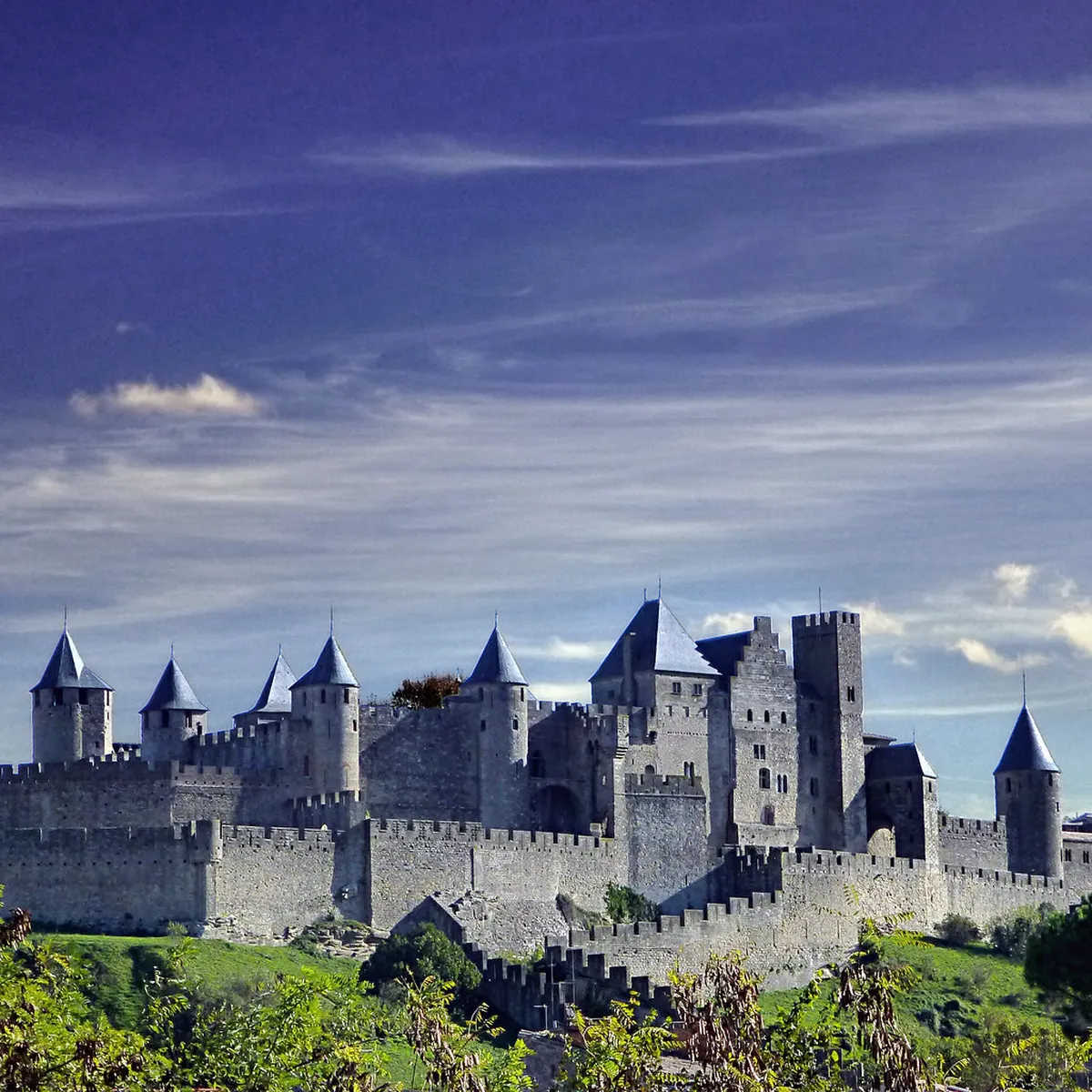
Visitors arrive from all over the world to see the massive double walls. These fortifications protected the city from many invaders over several centuries. Modern conservation techniques ensure that every stone remains safe for the public to view. You will find a blend of Roman and medieval styles in every corner.
Preserving such a large site requires constant attention from skilled historic experts. The city authorities work hard to maintain the authentic feel of the Citadel. Every building within the walls has a story to tell about French culture. This guide explains how the city maintains its status as a global treasure.
The History of Restoration in the Citadel
Eugene Viollet-le-Duc saved this iconic fortress from total ruin during the nineteenth century. His controversial work focused on restoring the medieval walls and steep pointed roofs. You can learn more about restoring medieval architecture in Carcassonne through local historical exhibits. This massive project redefined how experts view historic site conservation today.
Restoration remains a continuous process to maintain the safety of the massive stone structures. Skilled stonemasons work year-round to repair damage caused by wind and heavy rain. They use traditional methods to ensure every new stone matches the original style. This dedication helps protect the integrity of the famous UNESCO World Heritage status.
Modern experts use lasers to measure the alignment of the towers every year. This technology detects small movements in the foundation before they become serious problems. Maintaining the double line of ramparts is the top priority for the restoration team. Each section of the wall requires unique care based on its age and material.
The castle roofs were a major focus during the early restoration phases in France. Viollet-le-Duc chose to use slate tiles which some historians debated at the time. Today these roofs are iconic symbols of the skyline of southern France. Preservationists now work to keep these tiles secure against modern weather patterns.
Understanding Carcassonne Architectural Styles
The citadel features a blend of Roman and medieval styles across its vast fortifications. You will see thick stone walls that protected the city during ancient regional conflicts. Most visitors enjoy studying the unique Carcassonne architectural styles found in the lower and upper towns. These structures show how defensive design evolved over several hundred years.
The inner walls date back to the late Roman period around the third century. These early sections feature layers of brick and small stones for extra durability. Later Gothic additions created the towering spires and decorative windows we see now. Each layer of stone tells a story of survival and cultural change.
The Narbonne Gate serves as the main entrance to the fortified medieval city today. It features massive twin towers and a drawbridge that once deterred many invaders. The intricate stone carvings around the entrance show the wealth of the Trencavel family. Protecting these delicate carvings from erosion is a major challenge for local restorers.
Inside the walls, the Basilica of Saints Nazarius and Celsus displays stunning glass windows. These windows represent some of the finest examples of medieval stained glass in France. Preservation teams clean the glass carefully to prevent damage from pollution and dust. The interior stone columns also receive regular treatments to prevent crumbling over time.
Carcassonne UNESCO Heritage Site Preservation Risks
Climate change presents new risks for the preservation of this historic French landmark today. Rising temperatures and unpredictable storm patterns can damage the delicate mortar between the stones. Experts monitor the walls constantly to detect any signs of shifting or deep cracking. Addressing challenges preserving Carcassonne historic buildings requires modern technology and ancient skills.
Managing high visitor numbers is another significant priority for the local heritage authorities. Millions of people walk across the stone pathways and wooden bridges every year. This foot traffic creates wear on the surfaces that requires regular maintenance and care. Authorities must balance open public access with the long-term survival of the fortress.
Pollution from nearby traffic can also cause the ancient stones to darken and decay. Specialized cleaning crews use gentle water sprays to remove soot without scratching the surface. This process happens in cycles to ensure the entire citadel remains bright and clean. Regular cleaning prevents the buildup of harmful minerals that can weaken the stone structure.
Invasive plants like ivy can grow into the cracks of the medieval stone walls. These plants cause significant damage as their roots expand and push the stones apart. Maintenance crews remove these plants by hand to protect the integrity of the ramparts. This task requires climbing equipment and expert knowledge of the wall structure.
How to Experience the Ramparts in 2025
Walking along the high ramparts provides the best views of the surrounding French countryside. You can follow a guided Carcassonne walking tour to discover hidden towers and secret gates. These tours explain the defensive strategies used by knights during the Middle Ages. The views of the Aude River are especially beautiful during the golden sunset hours.
Plan your visit for the early morning to avoid the largest tourist crowds. Tickets for the upper battlements usually cost around twelve euros for an adult visitor. This fee supports the ongoing preservation efforts of the entire UNESCO World Heritage site. You should wear comfortable walking shoes to navigate the steep and uneven stone steps.
The Citadel remains open to the public throughout the entire year of 2025. Summer months offer festive events and medieval reenactments for families to enjoy. Winter visits are much quieter and allow for a more peaceful exploration experience. Check the official website for updated opening hours before you start your journey.
Photography enthusiasts will find endless opportunities for great shots within the ancient city walls. The contrast between the grey stone and the blue sky is truly spectacular. Try to capture the details of the iron gates and the heavy wooden doors. These small elements highlight the craftsmanship involved in the original construction process.
Preservation of the Interior Castle Walls
The Chateau Comtal serves as the central heart of the fortified medieval city. This inner castle features a moat and massive defensive towers for ultimate protection. Interior preservation focuses on protecting the rare frescoes and delicate stone carvings found inside. These artistic details provide a glimpse into the daily lives of the local nobility.
Special climate control systems help protect the wooden elements from rotting in the humid air. Restorers work carefully to clean the stone surfaces without using harsh or damaging chemicals. Every project must follow strict international guidelines for UNESCO site maintenance and care. This ensures that the fortress remains an authentic representation of medieval military life.
The Great Well inside the castle is another feature that requires careful preservation efforts. It once provided the primary water source for the inhabitants during long enemy sieges. Guards now protect the area to prevent visitors from dropping trash into the well. Keeping these functional elements intact is essential for historical accuracy and education.
Educational programs for children teach the importance of protecting our shared cultural heritage. Local schools visit the citadel to learn about the history of architecture and defense. These programs inspire the next generation to care for the ancient stones of Carcassonne. Education is a powerful tool for the long-term survival of historic French sites.
Frequently Asked Questions
Why is Carcassonne UNESCO heritage site preservation important?
Preservation keeps the medieval history of France alive for future generations to study. It protects unique architectural styles that do not exist anywhere else in the world. The site serves as an important educational tool for students of European history.
How much does it cost to visit the Citadel in 2025?
Entry to the city streets is free for all visitors throughout the year. Tickets for the castle and ramparts cost approximately 12 euros per adult. These funds go directly toward the maintenance and repair of the historic walls.
Who restored the walls of Carcassonne in the 1800s?
The famous architect Eugene Viollet-le-Duc led the major restoration project in the 1800s. He saved the city from being torn down for construction materials. His work gave the citadel the iconic look it has today.
Carcassonne remains a shining example of how we can protect our historical treasures. The ongoing Carcassonne UNESCO heritage site preservation efforts ensure this city stays standing forever. Visit this incredible fortress in 2025 to experience the magic of the Middle Ages. Your support helps keep the history of France alive for the entire world to enjoy.
Key Takeaways
- Book tickets early to walk the ramparts during peak summer months.
- Respect the ancient stones by staying on the marked walking paths.
- Visit the Basilica to see some of the oldest stained glass in France.
- Wear comfortable shoes for the uneven medieval streets and steep stairs.
Related reads: streetartly.com, street art and architecture in carcassonne.