
Restoring Medieval Architecture in Carcassonne
Discover the art of restoring medieval architecture in Carcassonne. Explore 2025 preservation methods and historic sites in France. Plan your visit now!
On this page
Carcassonne is a stunning jewel in southern France. Restoring medieval architecture in Carcassonne requires great skill and care. Preservationists work hard to protect these massive stone walls. The city tells a story of knights and ancient kings.
Visitors flock here to see the largest fortress in Europe. The restoration process ensures the site remains safe for everyone. Experts use traditional methods to keep the history alive today. This guide explores how France preserves this magnificent landmark.
The Legacy of Viollet-le-Duc
Eugène Viollet-le-Duc started the first major restoration in the 1800s. He found the city in a state of terrible decay. His vision saved the towers from falling into total ruin. Many critics argue about his creative design choices today.
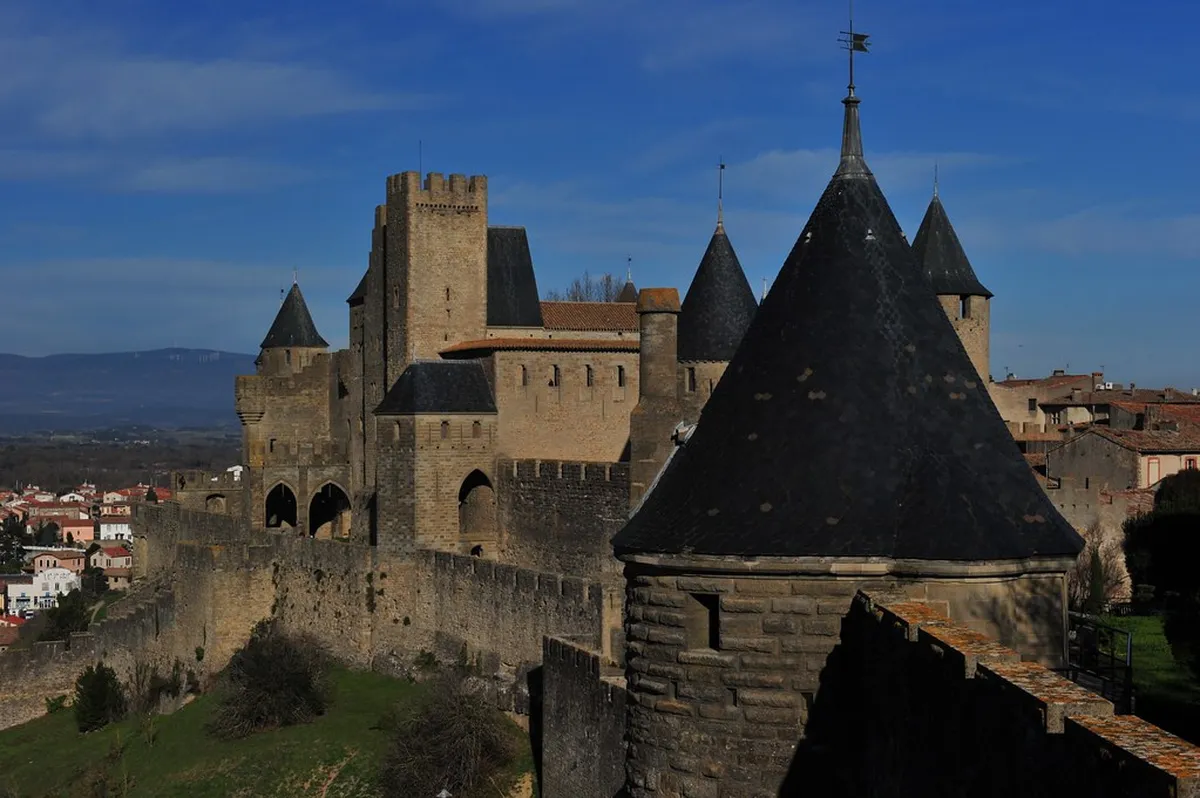
He added pointed slate roofs to many of the towers. These roofs look different from typical southern French styles. However, his work helped define the carcassonne medieval architecture we see now. Without him, the city might have vanished completely.
He focused on the outer walls and the main gates. Workers used local stone to match the original medieval construction. This massive project lasted for over sixty years in total. It remains one of the largest restorations in French history.
Today, we view his work as a historical layer itself. Scholars study his drawings to understand 19th-century architectural views. He believed in restoring buildings to a finished, perfect state. This philosophy shaped the modern look of the entire citadel.
Modern Preservation Carcassonne Architecture in 2025
In 2025, technology plays a huge role in site maintenance. Specialists use 3D laser scanning to map every single stone. This data helps them find small cracks before they grow. Digital twins allow architects to simulate weather damage over decades.
Modern Preservation Carcassonne Architecture teams include scientists and historians. They analyze the chemical makeup of ancient mortar and lime. Using identical materials prevents the new work from damaging old stones. This scientific approach ensures the fortress stands for more centuries.
Drones now fly over the high ramparts to check stability. They reach places that are dangerous for human climbers to go. This safety measure allows for more frequent inspections of towers. High-resolution cameras capture every detail of the upper masonry levels.
Sustainability is also a key goal for current restoration teams. They source stones from nearby quarries to reduce carbon footprints. Natural lime washes protect the walls from harsh sun and rain. These eco-friendly practices help keep the environment healthy and clean.
Materials Used in Restoring Medieval Architecture
Sandstone is the primary material used for the city walls. Workers must find stone with the same density and color. This ensures the repairs blend in with the original masonry. Carving these stones requires years of specialized mason training.
Traditional lime mortar is essential for flexible and breathable joints. Modern cement is too hard and causes ancient stones to crack. The lime allows moisture to escape from the thick walls. This prevents salt buildup that can destroy the stone surface.
Iron and wood also require constant attention from the crews. Oak beams support the heavy roofs of the many towers. Metal components are treated to prevent rust in the humid air. Every material must meet strict historical standards for use here.
The craft of stone cutting is still taught in France. Apprentices learn to use chisels just like medieval builders did. This keeps ancient skills alive for future generations of workers. The human touch remains the most important part of restoration.
Protecting the Carcassonne UNESCO Heritage Site
UNESCO listed the city as a World Heritage site in 1997. This status brings funding and strict rules for all repairs. Every project must follow international standards for historical integrity. The goal is to keep the site as authentic as possible.
Managing the carcassonne unesco heritage site preservation is a complex task. Local authorities work with global experts on long-term planning. They must balance tourism needs with the fragility of the stone. This ensures that millions of visitors do not cause damage.
Crowd control is a vital part of the preservation strategy. Heavy foot traffic can wear down the ancient stone stairs. Some areas are closed periodically to allow the materials to rest. This rotation system helps maintain the most popular tourist spots.
Education programs teach visitors about the importance of the walls. Signs explain the ongoing work and why it is necessary. Seeing the restoration in progress adds value to the tour. Visitors learn to respect the effort required to save history.
Structural Features of the Carcassonne Citadel
The citadel features two massive layers of defensive stone walls. Fifty-two towers stand watch over the surrounding French countryside. Each tower has a unique design and a specific purpose. Restoring these carcassonne citadel features takes immense time and money.
The inner wall dates back to the late Roman period. You can still see the red brick layers in some spots. These sections require different preservation techniques than the medieval stones. Mixing these styles shows the long history of the city.
The dry moat provides another layer of protection for the site. Maintaining the ground levels prevents water from pooling near foundations. Proper drainage is the biggest challenge for keeping walls dry. Excess water is the main enemy of any ancient building.
Gatehouses like the Porte Narbonnaise are masterpieces of medieval engineering. They feature heavy iron grilles and massive wooden doors. Keeping these moving parts functional requires regular oiling and repair. They serve as the main entrance for visitors today.
Challenges of Medieval Masonry Repair
Weathering is the most constant threat to the tall towers. Wind and rain slowly eat away at the soft sandstone. In winter, ice can expand in cracks and break stones. Teams must work quickly during the dry summer months.
Biological growth like moss and lichen can also cause damage. Their roots dig into the mortar and weaken the structure. Specialists use gentle cleaning methods to remove these plants safely. Harsh chemicals are never used on the delicate ancient surfaces.
Finding skilled labor is another challenge for the city managers. Modern construction workers often lack training in ancient masonry skills. France supports special schools to train the next generation of experts. This ensures the quality of work remains very high.
Funding for such a large site is always a concern. The French government and private donors provide the necessary money. Ticket sales from tourists also go directly into the restoration. Every visitor contributes to the survival of this historic city.
Frequently Asked Questions
Can I see the restoration work happening during my visit?
Yes, visitors often see scaffolding on different parts of the walls. The city remains open while experts perform necessary repairs. You can watch masons working on the stone from a distance. It is a great way to see history being saved.
How long does it take to restore one tower in Carcassonne?
Restoring a single tower can take several months or even years. It depends on the level of damage and the weather. Experts must carefully inspect every stone before starting any work. Quality is always more important than speed in this process.
Why are some roofs in Carcassonne pointed and others flat?
The pointed roofs were part of the 19th-century restoration by Viollet-le-Duc. He used northern French styles which were popular at that time. Some original medieval towers likely had flatter, tiled roofs instead. This mix reflects the different eras of the city's life.
Are the restoration techniques used in 2025 different from the past?
Yes, modern techniques are much more scientific and less invasive. We use digital tools to monitor the walls and foundations. However, we still use traditional materials like lime and sandstone. This combination of old and new works very well.
Restoring medieval architecture in Carcassonne is a never-ending task for France. This dedication ensures the fortress remains a wonder for the world. You should visit in 2025 to see these amazing efforts yourself. Support the preservation of history by exploring this ancient stone citadel today.
Key Takeaways
- Viollet-le-Duc saved the city from ruin in the 19th century.
- Modern restoration uses 3D scanning and traditional lime mortar.
- UNESCO status requires strict adherence to historical building methods.
- Sustainability and local materials are priorities for 2025 projects.
Related reads: streetartly.com.