
Carcassonne Ramparts Construction Methods Explained
Learn the Carcassonne ramparts construction methods in 2025. Discover the secrets of medieval engineering and French fortress design in this expert guide.
On this page
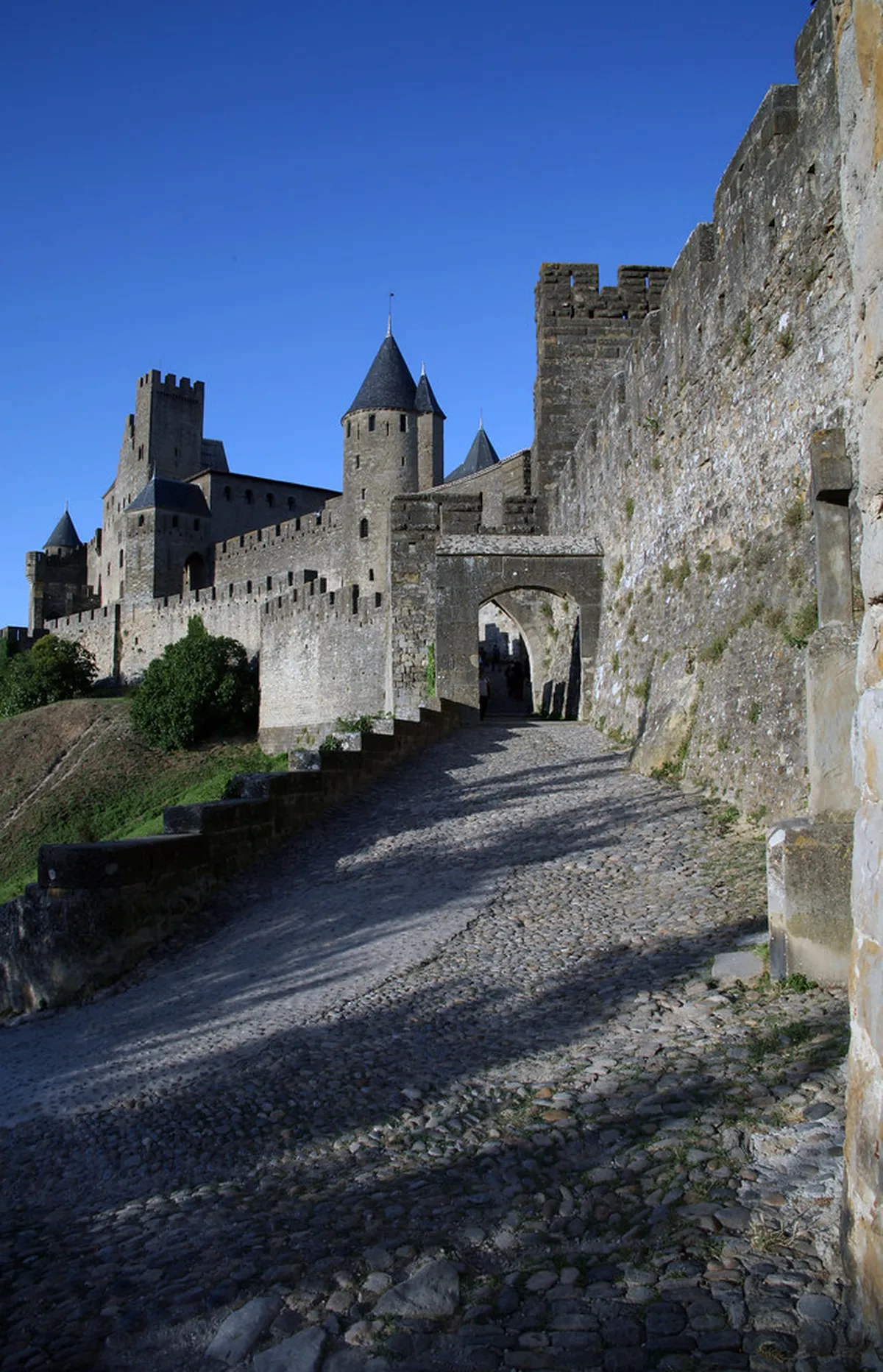
Carcassonne stands as a jewel of southern France. Its massive double walls protect the ancient citadel today. You can see many layers of history within these stones. We will explain Carcassonne ramparts construction methods for history fans.
This fortress has survived centuries of warfare and weather. Builders used local materials to create these tall defenses. The engineering secrets of the past remain visible in the masonry. Explore how medieval workers shaped this famous skyline in 2025.
The city features two distinct rings of defensive walls. These structures represent different eras of architectural development. Understanding these techniques helps us appreciate the scale of the site. Let us look closer at the stones of this UNESCO site.
Early Roman Wall Foundations and Masonry
The Romans built the first walls around the city. They chose small, square stones for the lower layers. These builders often placed red bricks between the stone courses. This method added flexibility and strength to the tall structures.
Roman engineers focused on creating a solid foundation first. They dug deep into the rocky hilltop for stability. These ancient stones still support parts of the current citadel. You can spot the Roman masonry by its smaller size.
The Romans used a specific mortar for their walls. This mixture contained lime, sand, and crushed ceramic pieces. It created a bond that lasted for two thousand years. Modern visitors can still see these sections during their visit.
These early walls were much shorter than the medieval ones. They provided a basic perimeter for the growing Roman settlement. Later builders used these foundations as a starting point. This recycling of materials was common in ancient construction projects.
The Roman style is known as opus vittatum by historians. It features neat rows of small blocks and bricks. This distinct pattern makes the oldest wall sections easy to find. It serves as the base for the city's grand history.
Medieval Masonry and Carcassonne Castle Design
The 13th century brought major changes to the city walls. French kings ordered the construction of a second outer wall. This expansion followed the principles of Carcassonne Castle Design for maximum defense. Workers used much larger limestone blocks during this era.
The medieval masons were highly skilled at shaping heavy stone. They used iron tools to square each block by hand. Each stone was carefully fitted to minimize gaps in the face. This prevented enemies from finding grip points for climbing tools.
Builders moved these massive stones using wooden cranes and pulleys. Human power and oxen provided the necessary force for lifting. The walls grew taller and thicker than ever before. This created an imposing sight for any approaching enemy army.
The inner wall was also heightened during this busy period. Masons added new towers with advanced defensive features. These towers allowed soldiers to fire arrows from protected positions. The entire system was designed to stop a massive siege.
You can see the medieval work in the upper wall sections. These blocks are larger and more uniform than Roman ones. The craftsmanship shows the power of the French monarchy in 12025. It remains a masterpiece of European military engineering today.
The Inner Core and Rubble Filling Methods
The ramparts are not made of solid cut stone. Builders used a double-skin method for the thick walls. They created two parallel faces using high-quality ashlar blocks. The space between these faces was filled with a rubble core.
This core consisted of smaller rocks, gravel, and broken masonry. Workers poured a liquid lime mortar into the central cavity. This mixture hardened to create a solid, monolithic structure. It made the walls resistant to heavy battering rams.
The mortar was a critical part of the construction process. It needed to dry slowly to prevent cracking or shrinking. Local sand and lime were mixed on-site in large batches. This sticky material bound the rubble into a stone-like mass.
This technique allowed for much faster construction of the walls. Masons only needed to finish the exterior and interior faces. The core could be filled by less skilled laborers quickly. It was a very efficient way to build massive fortifications.
Strong walls were essential for the Carcassonne medieval architecture we see now. The rubble core also absorbed the energy of incoming projectiles. This prevented the outer stones from shattering during a heavy attack. It was a clever solution to a difficult problem.
Defensive Structures and Upper Wall Works
The top of the wall features many specialized defensive parts. Crenellations provided cover for the soldiers guarding the high ramparts. Archers could shoot through the narrow gaps between the stone teeth. These features were essential for defending the Carcassonne citadel features successfully.
Wooden galleries called hoardings were often built onto the walls. These structures hung out over the edge of the ramparts. They allowed defenders to drop heavy stones on attackers below. You can still see the holes where beams were placed.
The towers were spaced closely to cover the entire wall. This allowed for crossfire against any troops near the base. Each tower had multiple levels for soldiers and weapon storage. The design ensured there were no blind spots for defenders.
Stone stairs connect the different levels of the high ramparts. These steps are often narrow and steep for defensive reasons. They allowed soldiers to move quickly between the various battlements. The layout was optimized for rapid response during a battle.
The walk along the top is called the chemin de ronde. It provided a continuous path around the whole city perimeter. Today, tourists enjoy walking these paths for the amazing views. It remains the best way to see the construction details.
Modern Preservation of the Historic Ramparts
The walls fell into ruins during the 17th and 18th centuries. Restoration began in 1844 under the architect Viollet-le-Duc. He used original Carcassonne ramparts construction methods to rebuild the stones. His work saved the city from being completely destroyed.
Modern teams continue to maintain the stone walls every year. They use traditional lime mortars to repair any small cracks. This prevents water from entering the core and causing damage. Preservation is a constant task for the local heritage teams.
You can see the restoration work on a Carcassonne walking tour today. Experts use laser cleaning to remove grime from the limestone. This reveals the beautiful natural colors of the French stone. The city looks better now than it did decades ago.
New stones are quarried from the same local sources used before. This ensures the new work matches the old wall sections perfectly. The goal is to keep the fortress looking authentic for visitors. It is a delicate balance of history and modern science.
Protecting this site requires careful planning and significant funding. Tourists help support these efforts through their entry fees and visits. Your trip in 2025 contributes to the survival of these ramparts. It is a shared heritage for the entire world.
Frequently Asked Questions
What materials were used for Carcassonne ramparts construction methods?
Builders used local limestone for the main wall faces. They also used red bricks for Roman sections and lime mortar. The core consists of rubble and stone fragments. These materials provided the strength needed for a massive fortress.
How thick are the walls of the Carcassonne citadel?
The walls vary in thickness between two and four meters. This massive size allowed for internal stairs and defensive rooms. The double-skin construction provided incredible strength against enemy siege engines. It remains one of the thickest wall systems in Europe.
Who was responsible for the restoration of the ramparts?
Eugene Viollet-le-Duc led the major restoration in the 19th century. He worked for decades to rebuild the towers and walls. His vision created the iconic look that visitors enjoy in 2025. Many historians credit him with saving the city from ruins.
The Carcassonne ramparts construction methods show incredible medieval engineering skills. These walls have stood for centuries as a symbol of strength. You can explore these features during your next visit to France. Plan your trip to see these amazing stone structures soon.
Key Takeaways
- The ramparts use a double-skin wall system with a rubble core.
- Construction includes layers from Roman, medieval, and restoration eras.
- Local limestone and lime mortar were the primary building materials.
- Viollet-le-Duc saved the site through extensive 19th-century restoration.
Related reads: streetartly.com.