
Significance of Carcassonne Citadel Design
Explore the significance of Carcassonne citadel design in this 2025 guide. Learn about defensive features, history, and travel tips. Book your French adventure today!
On this page
The significance of Carcassonne citadel design remains a marvel of medieval engineering in the year 2025. This UNESCO World Heritage site sits high above the Aude River in the south of France. Its massive double walls offer a rare glimpse into ancient warfare and city protection methods. Travelers visit this fortress to experience one of the best-preserved medieval fortified cities in Europe.
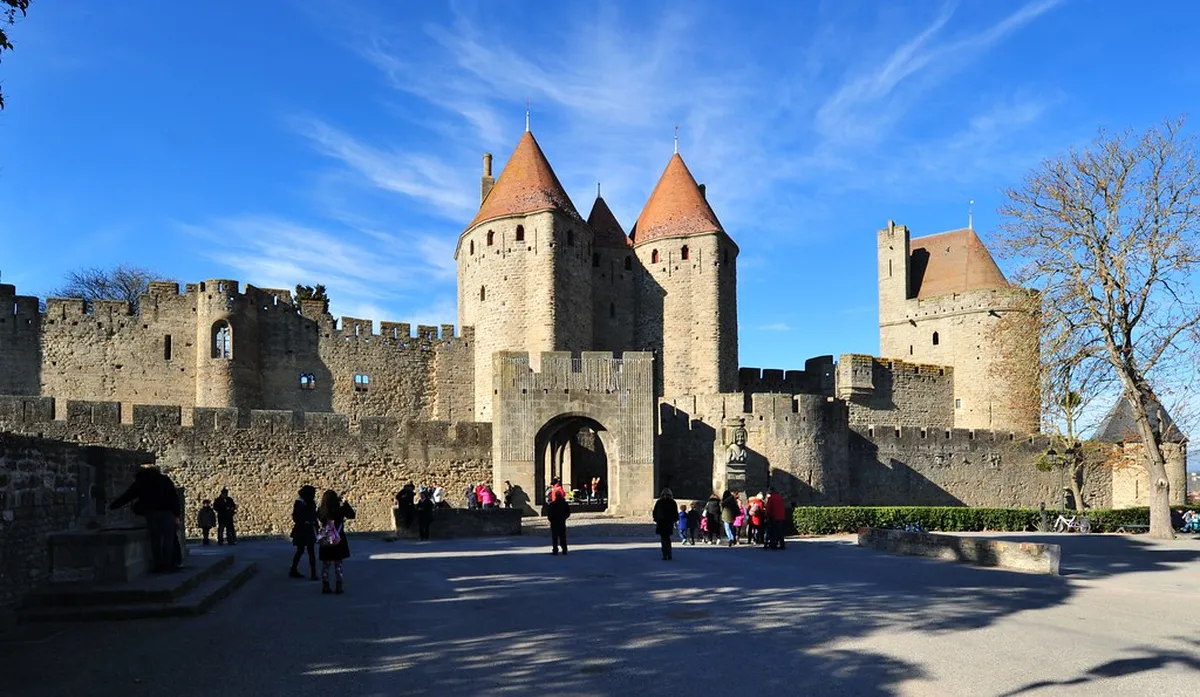
The castle towers and ramparts create a stunning skyline that is visible for many miles away. Every stone in the citadel tells a story of survival and power from the distant past. This guide explains why this architectural masterpiece continues to capture our collective imagination in the modern world. Exploring these walls provides a deep connection to the history of the beautiful Languedoc region.
The Evolution of Defensive Architecture
Carcassonne stands as a major testament to many centuries of military progress and strategic planning. The city features a complex layout that has protected residents from various invaders for a long time. Each distinct era added new defensive features to the site to meet changing military needs. The original Roman builders first fortified this steep hill to control important southern trade routes effectively.
Later groups like the Visigoths and the Franks improved the existing structures to enhance their defense. The current layout mostly dates back to the late thirteenth century under the French royal power. It represents a perfect example of a concentric castle design which was very popular back then. This specific design made the fortress nearly impossible to capture by any invading army in the past.
Exploring Carcassonne medieval architecture reveals how builders adapted their methods to face many new threats. They used very thick stone walls to withstand the heavy impact of large medieval siege engines. The tall towers provided clear lines of sight for archers to defend the city against enemies. These elements define the unique historical profile of the city for modern visitors to admire today.
In 2025, the citadel continues to inspire many modern architects and historians from all over the world. Its clever design influenced many other fortifications across the European continent during the late Middle Ages. Visitors can clearly see how the layout evolved over time by looking at the different stone layers. This architectural journey is truly essential for any history lover visiting the south of France today.
The walls have seen many battles and survived several long sieges throughout their long and storied history. You can feel the weight of the past as you walk along the heavy stone battlements today. The builders focused on creating a space that was both functional for war and safe for living. This balance of features is what makes the citadel such a significant landmark for global heritage.
Strategic Features of the Double Wall System
The double-walled system is perhaps the most impressive feature of the entire city layout today. These two separate walls create a dangerous zone for any invading forces trying to enter the city. If attackers breached the first wall, they remained trapped in the open space between the barriers. The inner wall sits much higher to provide a clear tactical advantage for the city defenders.
The outer wall features several low towers and very strong gates to stop an initial enemy charge. It acts as the first line of defense against enemies who might try to climb the hill. Between the two walls lies the lices, which is a wide and open space for movement. This area allowed the medieval defenders to move their troops quickly to any point of attack.
The defensive architecture of Carcassonne citadel used fifty-two massive towers to guard the large perimeter. These towers have varied shapes, including round and square styles, depending on when they were built. Each shape served a specific military purpose during the long sieges that occurred in the past. Round towers were much harder for enemies to undermine than the traditional square towers of earlier times.
Many of the towers still have their original stone hoarding slots visible to the naked eye. These slots allowed the soldiers to drop heavy stones or boiling liquids on the attackers below. This level of defensive detail shows the incredible military importance of the site in the thirteenth century. You can walk along these ramparts for miles and see these clever features for yourself today.
The gates were also reinforced with multiple portcullises and heavy wooden doors for maximum security. Murder holes were placed above the entrances to trap any enemies who managed to get inside. The layout forced attackers to stay in the line of fire for as long as possible. These strategic choices represent the peak of medieval engineering before the widespread use of gunpowder weapons.
The 19th Century Restoration Influence
The citadel almost fell into complete ruin during the early part of the nineteenth century. Eugène Viollet-le-Duc was the famous architect who saved the site from total destruction and decay. His extensive restoration work in the 1850s was quite controversial among many historians of that time. He added pointed slate roofs to the towers which gave them a very distinctive northern look.
These slate roofs are more typical of northern France architecture than the local southern styles of building. However, these roofs helped to preserve the old masonry from the harsh effects of the local weather. This restoration defines the romantic image of the city that we see in the world today. It created a fairy-tale appearance that attracts millions of happy visitors to the region every year.
Learning about Carcassonne Citadel Features requires a deep understanding of this modern restoration history. Viollet-le-Duc combined historical accuracy with his own nineteenth-century romantic ideals for the project. His dedicated work ensured the survival of the city into the modern age for us to enjoy. The final result is a true masterpiece of historic preservation that remains famous across the world.
Modern critics still argue about the historical accuracy of these tall and pointed tower spires today. Yet, the visual impact of the city skyline is undeniably powerful and very memorable for travelers. It remains one of the most photographed and beloved landmarks in the entire country of France. The design choices made back then still resonate strongly with the tourists who visit the city.
Without this restoration, many of the walls might have been sold for their stone by local farmers. The project helped the world recognize the value of preserving our shared cultural and architectural history. Today, the work of Viollet-le-Duc is considered a vital part of the city's own identity. Visitors can see his influence in every perfectly restored tower and stone wall they encounter.
The Global Significance of Carcassonne Citadel Design
The significance of Carcassonne citadel design extends far beyond the borders of modern France today. It serves as a primary model for studying medieval military engineering in various schools and universities. Historians analyze the layout to understand how cities survived long sieges in the very distant past. This site proves that complex architecture was the ultimate weapon during the harsh Middle Ages.
The city layout also influenced the design of many fictional worlds in books and popular movies. Its perfect walls and towers represent the ideal image of a medieval kingdom for many people today. This cultural impact shows how powerful architecture can be in shaping our common view of history. The citadel is a living classroom where the past comes alive for every person who visits.
Preserving such a large site requires constant effort and specialized knowledge from modern conservation experts. They use traditional methods to ensure that the stone remains strong for the next few hundred years. This commitment to preservation is a key part of why the city remains so significant today. It sets a global standard for how we should care for our ancient monuments and buildings.
The design also showcases the social hierarchy of the medieval period through its various residential zones. The Count's castle is the most protected area, reflecting the high status of the ruling family. Surrounding this castle are the homes of the knights and the common people of the city. This layout provides a physical map of how medieval society functioned on a daily basis.
UNESCO recognized these values by naming the entire site a World Heritage destination in the late nineties. This status highlights the importance of the citadel to all of humanity, not just to France. It encourages people from all nations to visit and learn about this incredible piece of history. The global significance of the design will only grow as more people discover its many secrets.
Architectural Styles Through the Centuries
The citadel is a beautiful patchwork of different architectural styles that have changed over many centuries. You can see Roman masonry at the base of some towers if you look very closely today. These stones are smaller and more red than the larger blocks used during the medieval period. This layering of history is one of the most fascinating aspects of the entire city design.
The Basilica of Saints Nazarius and Celsus is a prime example of changing architectural tastes and styles. It features a Romanesque nave that transitions into a stunning Gothic choir with very large windows. The stained glass in this church is some of the oldest and most beautiful in southern France. It provides a peaceful contrast to the harsh military nature of the surrounding stone fortress walls.
Walking through the narrow streets allows you to see many different types of medieval housing and shops. Some buildings feature timber frames while others are made entirely of heavy local stone and mortar. This variety reflects the different economic periods the city experienced throughout its long and difficult life. It creates a rich visual experience that keeps visitors engaged as they explore the winding paths.
The Count's castle itself features defensive elements that were cutting-edge for the early thirteenth century period. It has its own moat and a bridge that could be defended easily by a few men. The interior rooms show how the nobility lived in relative comfort while surrounded by thick defensive walls. This contrast between luxury and military necessity is a key theme of the citadel's design.
Modern art installations often appear within the ancient walls to create a bridge between the past and present. These temporary exhibits highlight the textures of the stone and the scale of the massive fortifications. They encourage visitors to look at the familiar architecture in a completely new and exciting way. This blending of old and new keeps the citadel relevant for the visitors of 2025.
Modern Visitor Experience and Practical Advice
Visiting the citadel in 2025 requires some careful planning to make the most of your time. Entry to the main walled city is completely free for everyone to enjoy throughout the year. However, the Count's Castle requires a paid ticket for entry to see the most historic sections. Prices usually range from eleven to fifteen Euros per adult for a standard entry ticket.
You should arrive early in the morning to avoid the largest crowds during the busy summer months. The narrow streets become very busy with tourists from all over the world by late afternoon. Wearing comfortable walking shoes is vital because the cobblestone paths are very uneven and quite steep. You will spend several hours exploring the many hidden corners and shops within the city walls.
Consider taking a Carcassonne walking tour to get the best experience from your visit this year. Local guides explain the hidden meanings behind the stone carvings and the strategic tower placements. They provide valuable context that you might miss if you are walking through the city alone. Tours often include special access to restricted areas of the ramparts and the castle rooms.
The citadel also hosts spectacular light shows during many summer nights for a truly magical experience. These events highlight the unique textures of the ancient stone walls using modern projection technology. It is a fantastic way to see the city lights and enjoy the cooler evening air. Check the official city website for specific 2025 dates and times before you travel.
There are many restaurants and small cafes located within the walls for a quick lunch or dinner. You can try the local cassoulet, which is a famous and very hearty white bean stew. Many shops sell local crafts and souvenirs that are unique to the Languedoc region of France. Spending a full day here allows you to truly soak in the medieval atmosphere and history.
Frequently Asked Questions
What makes the Carcassonne citadel design so unique in the world?
The design is unique because of its massive double walls and fifty-two protective towers. It is one of the largest and best-preserved medieval fortresses still standing in Europe today. The combination of Roman, Visigothic, and medieval French styles creates a very rare architectural layers.
Is the Carcassonne citadel worth visiting in 2025 for families?
Yes, it is a fantastic destination for families who love history and adventure. Children will enjoy exploring the tall towers and walking along the ancient stone ramparts. There are many interactive exhibits and festivals that happen throughout the year to keep everyone entertained.
How long does it take to walk the city walls properly?
Walking the entire length of the walls usually takes about two hours at a steady pace. You should allow more time if you want to stop and take photos of the views. The paths can be narrow and steep, so take your time to stay safe.
Can you stay overnight inside the walls of the citadel?
There are several hotels located directly within the historic city walls for a unique experience. Staying overnight allows you to enjoy the quiet streets after all the day tourists have left. It is a very romantic way to experience the medieval atmosphere of the city.
What is the best way to get to Carcassonne from Paris?
The fastest way to reach the city is by taking a high-speed TGV train from Paris. The journey takes about five hours and offers beautiful views of the French countryside. You can also fly into the local Carcassonne airport from several major European cities.
The significance of Carcassonne citadel design continues to inspire and educate visitors from all around the world. Its massive walls and towers stand as a permanent reminder of our shared human history and ingenuity. Plan your trip in 2025 to witness this incredible architectural masterpiece with your own eyes today. You can find more information about architectural details by clicking this helpful link.
Key Takeaways
- Carcassonne features a rare double-wall system with 52 towers.
- The 19th-century restoration by Viollet-le-Duc saved the site from ruin.
- Visitors can explore the site for free, but the castle requires a ticket.
- The city is a UNESCO World Heritage site of global historical importance.
Related reads: streetartly.com, street art and architecture in carcassonne, what is inside carcassonne citadel walls.