
Sainte-Chapelle Chambéry Architectural Highlights
Explore the Sainte-Chapelle Chambéry architectural highlights in 2025. Discover Gothic design, stained glass, and historic relics in this expert guide.
On this page
The Sainte-Chapelle in Chambéry stands as a remarkable testament to the artistic grandeur of the former Duchy of Savoy. Visitors often search for the Sainte-Chapelle Chambéry architectural highlights to understand the complex history of this royal mountain chapel. This 15th-century structure represents a pinnacle of Flamboyant Gothic design and remains a spiritual heart for the local community. It is nestled within the larger administrative complex of the Château de Chambéry historical architecture project.
As you approach the chapel, the surrounding mountain peaks provide a dramatic backdrop for the towering limestone walls and spires. The building served the Dukes of Savoy for centuries and housed some of the most sacred relics in Europe. Today, it offers a peaceful retreat for tourists who want to experience the quiet majesty of French religious art. Understanding the specific design elements will enhance your appreciation for this iconic landmark during your next visit in 2025.
The Flamboyant Gothic Design Foundations
The construction of the chapel began in 1408 under the direction of Duke Amadeus VIII to serve his court. Its architecture reflects the transition from classic Gothic styles to the more ornate Flamboyant Gothic period seen across France. The structural layout consists of a single nave that terminates in a stunningly carved polygonal apse at the east. You can observe the intricate stone tracery that defines the upper sections of the exterior walls and window frames.
The external masonry uses local limestone that has weathered into a beautiful pale grey color over the many centuries. Verticality is a key feature of this style, drawing the eye upward toward the heavens and the high mountain air. Thick buttresses support the weight of the massive stone vaults while allowing for the inclusion of large, decorative window openings. These structural elements are essential components of the Chambéry historical architecture that continues to define the city center.
Architects from the 15th century focused on creating a space that felt both intimate for prayer and grand for royalty. The precision of the carved stone moldings along the portals demonstrates the high level of craftsmanship available to the dukes. Each section of the exterior tells a story of the wealth and power once held by the Savoyard ruling family. You should spend time walking around the perimeter to notice the subtle differences in the decorative stone carvings.
The roofline features steep pitches designed to shed the heavy winter snow common in this region of the French Alps. Delicate pinnacles and gargoyles adorn the edges of the roof to manage rainwater while adding a layer of ornamentation. These details were meant to impress visiting dignitaries and local subjects alike with the chapel's divine and royal purpose. Modern restoration efforts in 2025 ensure these delicate stone features remain preserved for future generations of art historians.
Stained Glass and Light Manipulation
One of the most significant features of the chapel is the collection of 16th-century stained glass windows that fill the apse. These windows allow a kaleidoscope of colored light to wash over the interior surfaces during the bright morning hours. The glass depicts various biblical scenes and portraits of the dukes who commissioned the expensive and detailed artistic works. Artisans from across Europe were often brought to Chambéry to contribute their skills to these massive glass projects.
The play of light inside the chapel changes constantly depending on the season and the specific time of day. In the summer of 2025, the midday sun creates vibrant patterns of blue and red on the stone floors. These visual effects were carefully planned by medieval architects to evoke a sense of spiritual wonder within the congregation. The use of light as a building material is a hallmark of the Chambéry architectural styles found in religious sites.
Each window panel contains hundreds of individual pieces of hand-blown glass held together by intricate networks of lead strips. The level of detail in the faces and garments of the figures is truly extraordinary for the Renaissance period. Many of the scenes focus on the history of the Shroud of Turin, which was once kept here. Taking a moment to sit in the pews will allow your eyes to adjust to the shifting colors.
The restoration of these windows is a continuous process that requires specialized knowledge of ancient glass-making and painting techniques. Experts work meticulously to clean the glass and reinforce the lead structures to prevent damage from wind and moisture. This dedication to preservation ensures that the chapel remains one of the most vibrant examples of religious art in Savoy. Visitors are encouraged to bring binoculars to see the highest details of the glass up close.
The Unique Trompe l'œil Vault Paintings
Perhaps the most surprising interior feature is the extensive use of Trompe-l'œil painting on the ceiling and the walls. These paintings create the illusion of three-dimensional architectural elements where only flat surfaces actually exist in the structure. This technique was popular in the 19th century when the chapel underwent a major interior renovation and artistic update. The artists used perspective and shadow to trick the eye into seeing deep niches and complex stone ribs.
The color palette used in these murals features soft ochres, deep blues, and shimmering gold leaf to highlight the patterns. You will notice how the painted ribs seem to spring from the real stone columns located along the nave. This blending of real and painted architecture creates a sense of space that feels much larger than it is. It is a rare example of this decorative style within a Gothic building in the Savoie department.
The ceiling depicts celestial themes and geometric patterns that align with the religious symbolism of the Catholic Church during that era. Each vault section is unique and rewards those who take the time to look upward for extended periods of time. The artists managed to maintain a consistent style throughout the entire length of the chapel's high and narrow ceiling. These paintings are among the most famous iconic Chambéry buildings features that attract specialized art tours.
The preservation of these paintings is difficult because of the humidity levels within the thick stone walls of the castle. Climate control systems have been installed to stabilize the environment and prevent the delicate pigments from flaking or fading. Restorers in 2025 continue to monitor the surfaces to ensure the illusions remain sharp and convincing for every visitor. This intersection of medieval stone and 19th-century paint makes the interior space a fascinating historical layers study.
Detailed Sainte-Chapelle Chambéry Architectural Highlights
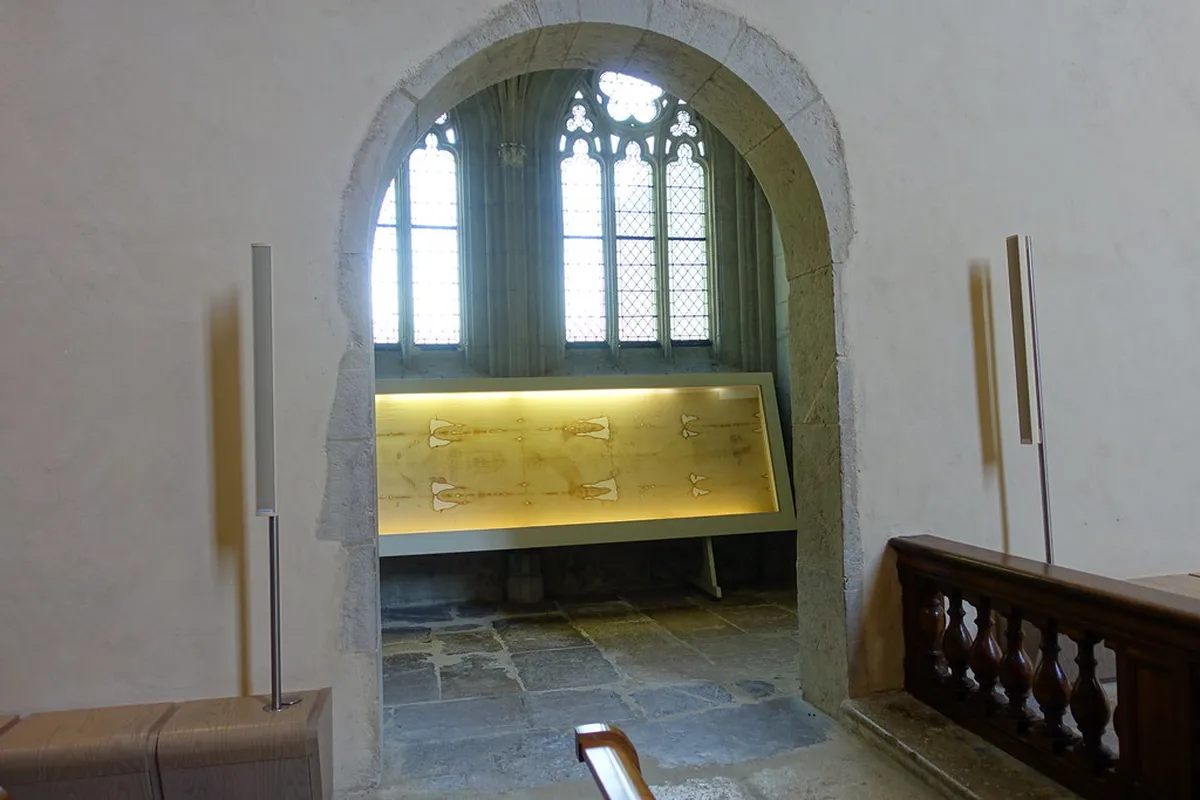
The Sainte-Chapelle is famous for its historical connection to the Shroud of Turin, which was stored here for decades. The architecture had to be modified to provide high levels of security and a suitable display for the relic. You can still see the reinforced areas within the choir where the sacred cloth was kept behind heavy iron gates. This historical significance shaped the layout and the protective features of the building during the late Middle Ages.
The Baroque facade of the chapel was added later and provides a stark contrast to the Gothic interior and rear. This entrance features classical columns and a grand pediment that reflects the changing tastes of the ruling dukes in later centuries. It demonstrates how buildings in Chambéry evolved over hundreds of years to incorporate multiple European architectural and artistic movements. The facade acts as a grand gateway into the older, more mysterious world of the inner ducal palace.
Inside the bell tower, you will find one of the largest carillons in the world with seventy individual bronze bells. The tower's structure had to be incredibly strong to support the weight of these massive musical instruments and their frames. On special occasions in 2025, the music from the carillon echoes through the narrow streets of the Old Town. The sound is an integral part of the sensory experience when visiting the Sainte-Chapelle Chambéry architectural highlights.
The flooring of the chapel contains several tomb slabs belonging to prominent members of the court and the local clergy. These stone markers are carved with coats of arms and Latin inscriptions that detail the lives of the deceased. Walking over these stones connects you directly to the centuries of history that have unfolded within these sacred walls. The combination of music, art, and history creates a profound atmosphere that is unique to this specific French location.
Practical Tips for Visiting the Chapel
The Sainte-Chapelle is located within the grounds of the Château des Ducs de Savoie in the center of Chambéry. To visit the interior, you must usually join a guided tour organized by the local tourism office in 2025. These tours are available in multiple languages and provide deep insights into the hidden corners of the chapel. Tickets generally cost between 6 and 10 Euros depending on your age and student status for the year.
The chapel is open to the public during the high season from May through September for daily scheduled tour groups. During the winter months, the hours are more limited, so it is vital to check the schedule in advance. Photography is permitted inside the chapel, but you must avoid using a flash to protect the ancient murals. The interior remains quite cool even in the summer, so bringing a light jacket is a very good idea.
- Location: Place du Château, 73000 Chambéry, France
- Guided Tour Time: Approximately 60 to 90 minutes for the full castle and chapel
- 2025 Entrance Fee: Approximately 9 Euros for adults with discounts for children
- Accessibility: Limited access for wheelchairs due to historic stone steps and narrow passages
The area surrounding the castle is filled with charming cafes and small boutiques that are perfect for a post-tour meal. You can walk from the chapel to the famous Elephant Fountain in less than ten minutes through the pedestrian zone. Many visitors choose to combine their chapel visit with a walk through the historic medieval corridors of the city. The central location makes it easy to include in any day trip through the Savoie region of France.
Frequently Asked Questions
Can I visit the Sainte-Chapelle in Chambéry without a guide?
Access to the interior of the Sainte-Chapelle usually requires a guided tour because it is part of a secure government complex. These tours are organized by the Chambéry Tourism Office and provide access to the castle and the chapel. You can view the exterior facade from the courtyard at any time during public castle hours.
Was the Shroud of Turin really kept in the Chambéry Sainte-Chapelle?
Yes, the Shroud of Turin was housed in this chapel from 1502 until 1578 when it moved to Turin. A fire in 1532 actually damaged the Shroud while it was inside the chapel, leading to its current appearance. The architectural highlights include the area where this famous relic was once displayed for the faithful.
What is the best time of day to see the stained glass windows?
The best time to see the stained glass windows is during a clear morning between 10:00 AM and 12:00 PM. During these hours, the sun shines directly through the east-facing windows of the apse. This creates the most vibrant colors and dramatic lighting effects on the interior Trompe-l'œil paintings.
The Sainte-Chapelle in Chambéry is a masterpiece that combines Gothic structural brilliance with exquisite Renaissance and Baroque artistic details. By exploring the Sainte-Chapelle Chambéry architectural highlights, you gain a deeper understanding of the rich heritage of the Savoy region. Whether you admire the 16th-century glass or the 19th-century murals, the chapel offers something for every traveler. Plan your visit to this French gem in 2025 to experience the history and beauty for yourself.
Key Takeaways
- Witness the rare 16th-century stained glass windows in the morning light.
- Observe the unique 19th-century Trompe-l'œil murals on the vaulted ceilings.
- Learn about the 76-year history of the Shroud of Turin within the chapel.
- Listen to the world-renowned carillon bells during a guided architectural tour.
Related reads: streetartly.com, street art and architecture in chambery, chambery elephant fountain architecture details.