
Architectural Heritage Clermont-Ferrand Preservation Guide
Explore architectural heritage Clermont-Ferrand preservation. Discover volcanic stone sites and historic restoration projects in this 2025 cultural guide.
On this page
Clermont-Ferrand is a unique city built on ancient volcanic roots. The skyline features dark stone buildings from local lava flows. Local leaders focus on architectural heritage Clermont-Ferrand preservation projects today. These efforts keep the historic center beautiful for everyone in 2025.
The city showcases a deep commitment to its cultural identity. You will see stunning churches and grand mansions during your visit. Every corner of the old town tells a fascinating story. Preservation teams work hard to protect these precious stone structures.
Visiting the city offers a chance to see history firsthand. The dark facades create a moody and elegant urban atmosphere. This guide will help you explore the most important sites. Learn how the city balances modern life with historic protection.
The Unique Dark Stone of Historic Clermont-Ferrand
Lava stone defines the visual identity of the local skyline. This black stone comes from the nearby Chaîne des Puys peaks. It gives the city a distinctive and dramatic appearance. You will notice this material on almost every historic building.
Builders used Pierre de Volvic for many centuries in this region. This material is incredibly durable and resists weathering very well. It allows for intricate carvings that stay sharp for years. Many architecture history of Clermont-Ferrand experts study these volcanic facades.
Modern preservation ensures these stones remain clean and stable. Specialist teams use gentle water techniques to wash the facades. They avoid harsh chemicals that might damage the ancient surfaces. This care protects the delicate carvings from environmental pollution.
Many old buildings now house charming shops and local cafes. This creative reuse helps maintain the original city structure. It keeps the historic district vibrant and economically active today. Travelers enjoy walking through these well-preserved volcanic streets.
Preserving Romanesque Treasures in the City
The Basilica of Notre-Dame du Port is a true masterpiece. It is a famous UNESCO World Heritage site in France. This site represents the architectural heritage Clermont-Ferrand preservation excellence perfectly. It dates back to the eleventh and twelfth centuries.
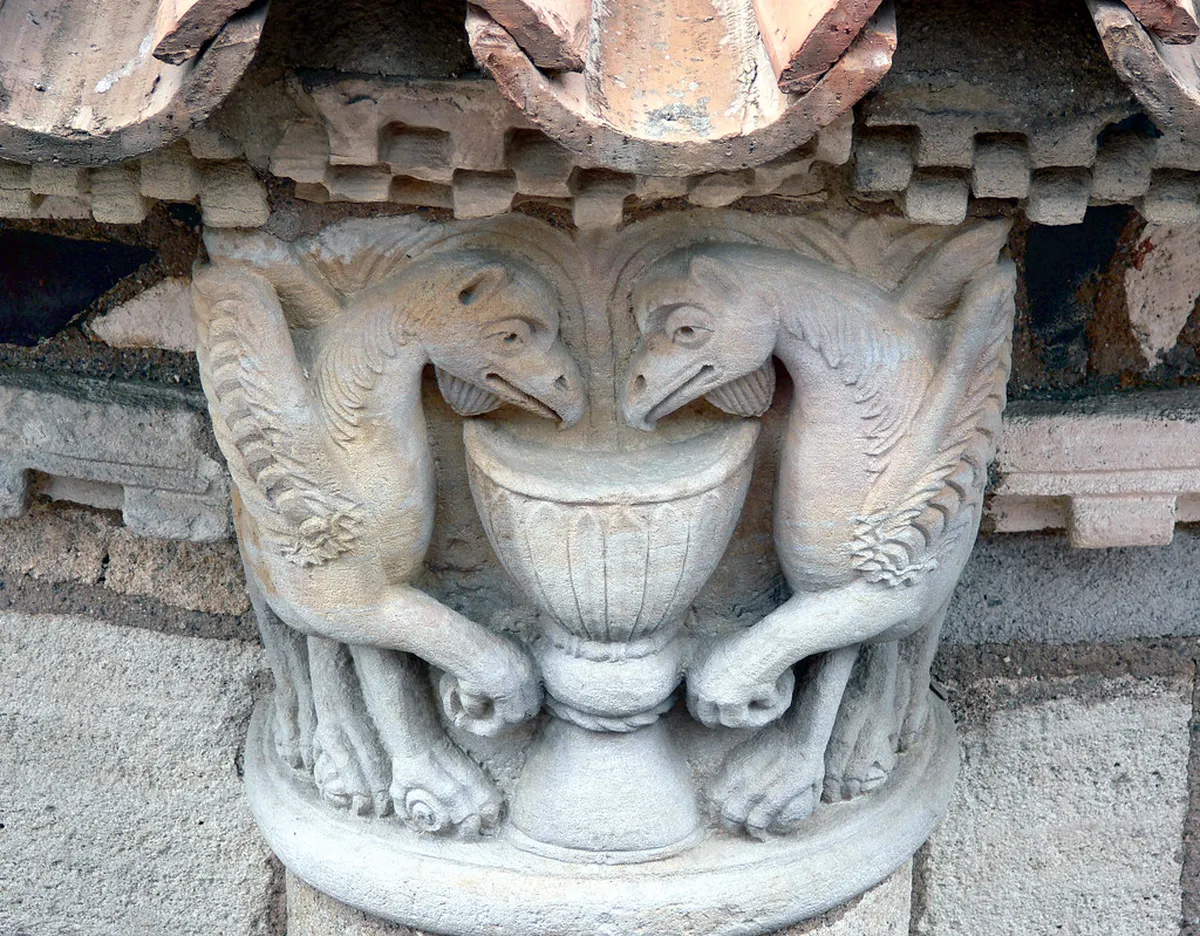
Experts recently finished a major restoration of the basilica interior. They focused on cleaning the beautiful carved stone capitals. You can visit this religious site for free every day. The light inside now highlights the golden volcanic stone.
Learning about romanesque architecture in Clermont-Ferrand is very rewarding. The designs reflect the immense power of the medieval church. Every arch and pillar tells a unique biblical story. These structures are pillars of the local community.
Conservation teams monitor the building health using advanced digital sensors. They detect small shifts in the foundation over time. This technology helps prevent structural damage before it starts. The city invests heavily in these high-tech preservation tools.
The Gothic Majesty of the Black Cathedral
The Cathedral of Our Lady of the Assumption dominates the center. Its twin black spires are visible from many miles away. This Gothic giant is built entirely from dark volcanic stone. It is a central piece of the city's identity.
The Cathedral Notre Dame in Clermont requires constant maintenance and care. Stone masons work throughout the year on the exterior walls. They replace damaged stones with fresh blocks from Volvic quarries. This ensures the cathedral stays safe for all visitors.
Inside the cathedral, you will find stunning medieval stained glass. The vibrant colors contrast beautifully with the dark stone walls. Preservationists cleaned these windows to restore their original bright glow. The atmosphere inside is both quiet and deeply moving.
Visiting hours are usually from 9:30 AM to 6:00 PM daily. There is no entry fee to explore the main nave. You should dress modestly when entering this active place of worship. It remains a focal point for the local Catholic community.
Urban Renewal and the Preservation of Heritage
The city integrates old structures into modern urban planning carefully. New developments must respect the height of historic volcanic buildings. This keeps the classic skyline visible from the surrounding hills. Architects must follow strict rules for all new projects.
Public spaces like Place de Jaude showcase this successful balance. Historic statues stand proudly next to modern tram lines. The Clermont-Ferrand art cultural scene thrives in these spaces. It creates a bridge between the past and the present.
The local government provides grants for private building restoration. Homeowners receive financial help to fix their historic volcanic facades. This policy encourages citizens to take pride in their heritage. It ensures the whole city remains beautiful and cohesive.
Guided walking tours explain these urban preservation efforts in detail. You can join a tour at the tourist office. Prices usually range from ten to fifteen euros per person. These walks offer deep insights into local planning history.
Preserving Industrial Heritage and Michelin History
The city is also famous for its rich industrial history. Michelin has played a huge role in the local economy. Several old factory buildings are now protected cultural heritage sites. They tell the story of modern French industrial growth.
L'Aventure Michelin is a museum dedicated to this heritage. It is housed in a beautifully restored old industrial building. The museum uses interactive displays to engage visitors of all ages. You can see how the company changed the city.
- Location: 32 Rue du Clos Four
- Price: 12 euros for adults
- Hours: 10:00 AM to 6:00 PM
Preserving these industrial sites is vital for the city's memory. They represent the hard work of many local generations. The architecture reflects the functional beauty of the early twentieth century. It adds another layer to the city's complex story.
The Future of Heritage in Clermont-Ferrand
Clermont-Ferrand looks forward while keeping its history close. Sustainability is now a major part of all preservation work. Energy efficiency is added to old buildings without changing their look. This approach prepares the city for a greener future.
Young architects learn traditional stone masonry skills in local schools. These students will lead future restoration projects in the city. Keeping these rare skills alive is a form of heritage. It ensures the volcanic stones will always have expert care.
International festivals celebrate the city's unique architectural and cultural mix. These events bring thousands of tourists to the historic center. Revenue from tourism helps fund more preservation and restoration work. It is a cycle that benefits the entire region.
You can see the results of this hard work everywhere. The streets are clean, safe, and full of historical charm. Clermont-Ferrand remains a hidden gem for architecture lovers in 2025. Experience the magic of the volcanic city for yourself.
Frequently Asked Questions
What is the best way to see the historic sites?
Walking is the best way to explore the old town. Most major sites are very close to each other. Wear comfortable shoes for the hilly volcanic streets. You can also use the efficient local tram system.
Are the black buildings in Clermont-Ferrand dirty?
No, the buildings are naturally black from volcanic stone. This is the natural color of the Volvic lava stone. Preservation teams clean them to remove actual soot and dust. The dark color is a celebrated local architectural feature.
Is the Basilica of Notre-Dame du Port open to the public?
Yes, the basilica is open for visitors every day. There is no charge to enter this historic site. It is a UNESCO site known for Romanesque beauty. Check the local schedule for mass times before visiting.
Clermont-Ferrand is a shining example of successful urban heritage management. The city protects its volcanic past while embracing a modern future. You will find beauty in every dark stone and carved archway. Plan your visit to this French treasure in 2025. Explore the deep roots of the local culture and architecture today.
Key Takeaways
- The city is built primarily with dark Volvic lava stone.
- UNESCO sites like the Basilica of Notre-Dame du Port are free.
- Preservation efforts combine traditional masonry with modern technology.
- Guided tours provide the best context for architectural history.
Related reads: streetartly.com.