
Discover Public Art Dijon: 2025 Guide
Explore stunning public art Dijon displays this year. Discover murals, sculptures, and installations with our expert guide and interactive map. Plan your trip now!
On this page
Dijon is a city that blends historic charm with modern creative flair in the heart of eastern France. You will find amazing public art Dijon works scattered throughout the charming cobblestone streets and modern districts. This guide helps you navigate the best sculptures, murals, and hidden creative gems across the city in 2025. Exploring the city reveals a mix of history and modern design that every traveler will surely enjoy.
From ancient bronze symbols to grand modern murals, the city serves as a beautiful open-air museum for all. You can enjoy these artistic treasures for free while walking through the scenic and historic neighborhoods of Burgundy. Many visitors are surprised by the sheer variety of styles found in this medieval city today. Let us dive into the best outdoor art spots you must see during your next visit.
Famous Sculptures and Historic Monuments
The Owl of Notre-Dame is the most famous symbol of artistic heritage found on the side of a church. This small stone carving has watched over the city streets for several centuries from its high perch. Locals believe that touching the owl with your left hand will bring you great luck and happiness. You can explore public sculptures and installations in Dijon to find this iconic piece of history today.
Another must-see sculpture is the Le Bareuzai located in the heart of the busy Place François Rude square. This bronze statue depicts a traditional grape stomper which represents the rich wine heritage of the Burgundy region. It stands atop a beautiful fountain where children often play during the warm summer months in France. The surrounding square is perfect for enjoying a coffee while admiring the intricate details of the bronze work.
The Place de la Libération features grand architecture and fountains that act as a focal point for the city. This semi-circular square was designed to honor the power of the French monarchy during the seventeenth century. Today, it serves as a public space where modern light installations often decorate the historic stone floors. You will often see street performers and local artists gathering here to share their creative talents with tourists.
Walking through the Darcy Garden reveals several classic statues nestled among the lush green trees and colorful flower beds. The most famous resident here is the polar bear statue created by the talented local sculptor François Pompon. This smooth white stone bear is a favorite spot for families to take photos during their afternoon strolls. It represents the transition from classical styles to more modern and simplified forms of animal sculpture art.
Modern sculptures also dot the landscape near the university campus and the newer northern districts of the city. These contemporary pieces use steel and glass to create striking shapes that contrast with the old medieval timber houses. Many of these installations are interactive and encourage visitors to walk through or even sit on the artwork. They reflect the growing commitment of the city to support living artists in the twenty-first century.
Contemporary Street Art Murals
Dijon offers a stunning array of murals that showcase local talent and international creativity throughout the vibrant city streets. Many of these large-scale artworks are located in the north part of the city near the train station area. Visitors can easily spend an entire afternoon photographing these colorful masterpieces while enjoying the mild French weather. Following a Dijon street art guide will ensure you do not miss the best hidden walls.
The Zutique Productions group often organizes festivals that invite artists to paint huge walls in the Grésilles neighborhood. These murals often tell stories of social unity and the diverse cultural background of the people living there. Bright colors and bold geometric shapes transform old apartment buildings into beautiful canvases that everyone can enjoy daily. It is a wonderful example of how art can revitalize urban spaces and bring communities closer together.
M. Chat is a famous character you might spot grinning from the roofs and walls across the city center. This bright yellow cartoon cat was created by artist Thoma Vuille and has become a global street art icon. Finding all the hidden cats in Dijon feels like a fun scavenger hunt for both children and adults. Look up high near the chimneys and gutters to find these playful feline paintings watching over you.
The area around the Port du Canal also features several interesting graffiti pieces that reflect the local maritime history. Artists use the long concrete walls near the water to experiment with different styles and complex spray paint techniques. This area is particularly beautiful during the golden hour when the sun reflects off the water and the art. It is a peaceful place to walk away from the crowded tourist spots in the main city center.
Many local businesses have started commissioning artists to decorate their storefronts with unique and creative mural designs. This trend has turned simple shop shutters into beautiful galleries that appear only after the stores have closed. You can see these transient artworks by walking through the pedestrian shopping streets early in the morning or late. It adds a layer of modern creativity to the historic shopping districts of this ancient French city.
The Owl Trail and Interactive Art
The Parcours de la Chouette is a series of 22 steps that lead you through the historic city center. You simply follow the small bronze owls embedded in the pavement to discover the most important cultural sites. This trail is one of the most interactive public art spots for visitors in Dijon available for free. Each numbered plate points toward a building or monument with a unique story and artistic value.
Following the owls allows you to explore at your own pace without the need for a human guide. You can buy a small booklet at the tourism office for about five euros to read the history. The trail takes about one hour to complete if you walk briskly through the main scenic city streets. However, most people spend three hours stopping for photos and exploring the various shops along the winding path.
Digital art also plays a role in the city with several augmented reality spots located near major monuments. You can use your smartphone to see historical recreations of lost buildings or animated versions of static statues. These modern tools bridge the gap between ancient history and the tech-savvy generation of travelers visiting in 2025. It makes learning about the local heritage an engaging and fun experience for people of all ages.
Interactive fountains in the Place de la République provide a refreshing form of liquid art during the hot summer. The water jets are synchronized with music and colorful lights to create a spectacular show every evening for free. Children love running through the water while parents relax on the nearby benches and enjoy the lively urban atmosphere. This space shows how public art can be functional, fun, and beautiful at the same time.
Temporary art installations frequently appear in the public squares during the various seasonal festivals held throughout the year. You might find giant lanterns during the winter months or floral sculptures during the bright and sunny spring. These changing exhibits mean that every visit to the city offers something new and exciting for the art lover. Check the local event calendar to see what special installations will be active during your planned travel dates.
Artistic Architecture and Historic Styles
The architecture of the city is a form of public art itself with its colorful glazed roof tiles. These geometric patterns in green, yellow, and black are a signature style of the historic Burgundy region of France. You can see the best examples on the roof of the Hotel de Vogüé near the grand cathedral. This historic Dijon architecture represents the wealth and power of the local dukes from centuries ago.
Medieval half-timbered houses line the streets of the old town and showcase the expert craftsmanship of ancient woodworkers. The Maison Millière is a famous example that features intricate carvings of cats and owls on its wooden facade. These buildings have survived for hundreds of years and continue to house charming shops and local craft boutiques today. Walking past them feels like stepping back in time to the middle ages of French history.
The Art Nouveau movement left its mark on several buildings near the Rue de la Liberté and the main post. Look for flowing lines, floral motifs, and decorative ironwork on the balconies and large windows of these grand structures. These buildings reflect the artistic trends of the early twentieth century when nature inspired most of the urban design. They add a touch of elegance and whimsy to the more traditional stone structures found elsewhere in town.
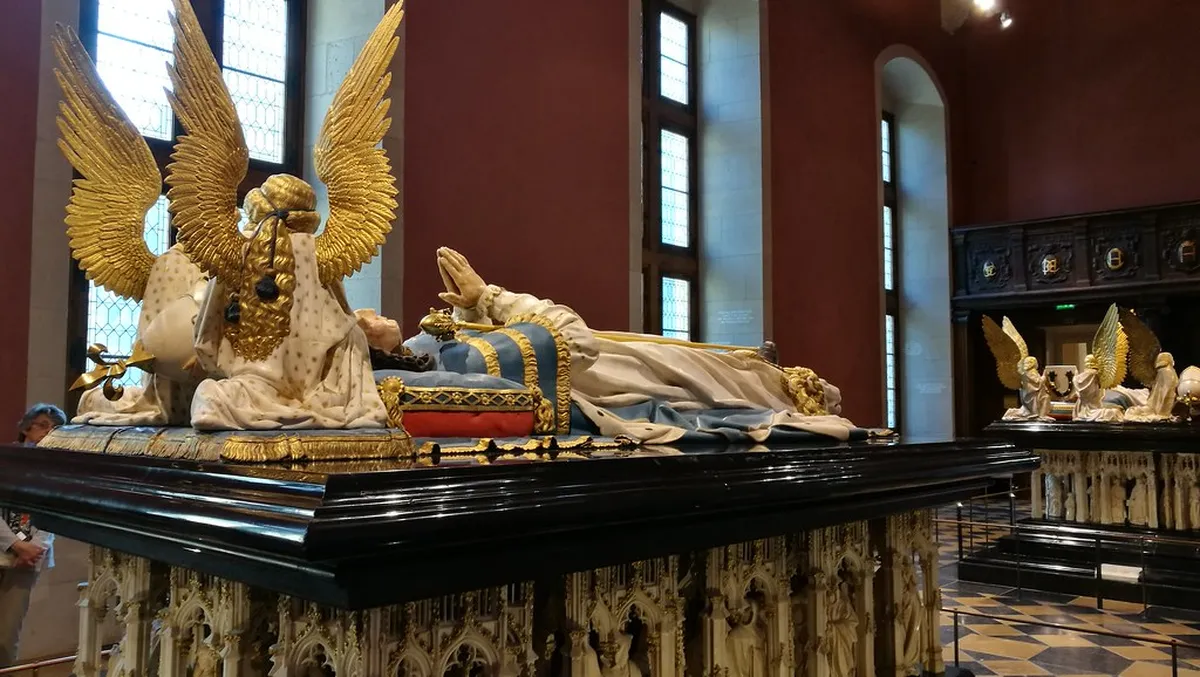
Renaissance palaces like the Palais des Ducs de Bourgogne feature grand courtyards filled with classical stone carvings and statues. The facade of the palace is a masterpiece of symmetry and decorative detail that impresses every visitor who enters. You can visit the fine arts museum inside the palace to see even more impressive sculptures and classical paintings. The outdoor courtyard is free to enter and offers great views of the Philip the Good tower.
Modern architecture is also making a statement with the new Cite Internationale de la Gastronomie et du Vin. This complex combines historic buildings with sleek modern glass structures to create a unique and functional cultural space. It celebrates the food and wine culture of France through both its design and the many exhibits inside. The landscape around the site includes modern gardens and contemporary sculptures that perfectly complement the new building styles.
Best Locations for Outdoor Art Experiences
Place François Rude is the heart of the social scene and a great spot for viewing local public art. The square features a beautiful carousel and the famous Bareuzai statue mentioned earlier in this comprehensive travel guide. It is a central meeting point where many guide to outdoor art experiences in Dijon tours begin their journey. Grab a seat at a terrace to watch the world go by surrounded by beautiful historic art.
The area around the Church of Notre-Dame is dense with gargoyles and intricate stone carvings on the facade. These monstrous figures were designed to drain rainwater but also served as a form of moral storytelling for locals. Spend some time looking up at the rows of strange creatures to appreciate the dark humor of medieval artists. The church is located in a pedestrian zone making it very easy to explore safely on foot.
Jardin des Sciences is a beautiful park that combines nature with scientific and artistic installations for the public to enjoy. You will find planetarium models and botanical art displays nestled among the exotic plants and local flower varieties. It is a great place for a picnic while you admire the blend of natural beauty and human creativity. The park is located near the train station and is completely free to enter for all visitors.
The Suzon Linear Park offers a longer walk through modern residential areas where you can find many hidden murals. This green corridor follows a small stream and features several bridges decorated with contemporary street art and graffiti. It is a favorite spot for local joggers and cyclists who enjoy the artistic scenery while they exercise daily. This path offers a more local perspective of the city away from the main historic tourist attractions.
Place de la République acts as a gateway between the old town and the modern districts of the northern city. The large central fountain and the surrounding statues create a grand entrance for those arriving by the modern tram. The square is often used for outdoor photography exhibitions and large-scale art festivals during the busy summer months. It is one of the most vibrant spaces in the city to experience modern public life and art.
Practical Tips for Your Art Walk
Most of the public art in the city is located within the pedestrian-friendly center and can be reached easily. Wear comfortable walking shoes because the cobblestone streets can be quite uneven and difficult for thin sandals or heels. You should carry a reusable water bottle to stay hydrated while you explore the many different art sites. Using a Dijon street art map will help you plan the most efficient walking route.
The best time to photograph the outdoor murals is early in the morning when the light is very soft. This also helps you avoid the large crowds of tourists that typically gather around the main monuments by noon. Many of the sculptures are illuminated at night which provides a completely different and magical perspective for art lovers. Consider taking a night walk to see the fountains and buildings glowing under the modern LED street lights.
Public transportation in the city is excellent with two modern tram lines that connect the main art districts together. A single ticket costs about one euro and seventy cents and is valid for one hour of travel time. You can also rent a city bike for a small fee at several stations located near the museum. Cycling is a fast and fun way to see the murals that are located further from the center.
Entry to most outdoor art sites and public parks is free of charge throughout the entire year in 2025. This makes the city an affordable destination for budget travelers who want to experience high-quality culture and history. Some museums offer free entry on the first Sunday of every month if you want to see indoor art. Always check the local tourism website for the most current opening hours of specific gardens and monuments.
Local bakeries and cafes are everywhere so you can easily find a snack during your long artistic walking tour. Try a local gingerbread or a mustard-flavored treat to experience the unique culinary heritage of this famous French city. Many cafes have outdoor seating where you can relax and sketch the beautiful buildings and sculptures you see. Supporting local businesses helps keep the vibrant culture of the city alive for future visitors to enjoy.
Frequently Asked Questions
Where is the best street art in Dijon located?
The best street art is found in the Grésilles neighborhood and around the Port du Canal area today. You can also find many hidden murals near the main train station and northern residential districts of the city. These areas feature large-scale works by both local French artists and famous international street art stars.
Is the public art in Dijon free to view?
Yes, almost all the public art including sculptures and murals can be viewed for free 24 hours a day. The city parks and the famous Owl Trail are also open to the public without any cost. This makes the city a perfect destination for travelers looking for budget-friendly cultural experiences in France.
What is the meaning of the owl in Dijon?
The owl is the unofficial mascot of the city and represents wisdom and good luck for the local people. The original stone carving on Notre-Dame church has been a focal point of local folklore for many centuries. Today, the owl serves as a guide for tourists following the historic walking trail through the town.
Exploring the public art Dijon offers is a fantastic way to experience the soul of this historic French city. From the lucky owl to the vibrant modern murals, there is something for every type of art lover. Plan your visit in 2025 to enjoy these incredible outdoor galleries and the rich culture of Burgundy. Do not forget to check our latest art guides for more travel inspiration and tips.
Key Takeaways
- Follow the Owl Trail to see 22 major historic and artistic sites in the city center.
- Visit the Grésilles district for the most impressive large-scale contemporary street art murals.
- Touch the Owl of Notre-Dame with your left hand for good luck during your visit.
- Most public art installations and sculptures are completely free to enjoy at any time.
- Use the modern tram system to easily reach art spots located outside the pedestrian center.
Related reads: street art and architecture in dijon, best dijon buildings.