
Top Architectural Marvels in Dijon France
Discover top architectural marvels in Dijon France. From Gothic cathedrals to half-timbered houses, plan your 2025 visit to these historic sites now.
On this page
Dijon serves as the historic capital of the stunning Burgundy region located in eastern France. This city features a remarkable collection of sites ranging from medieval to neoclassical styles. Exploring the city reveals why these sites are considered top architectural marvels in Dijon France. Understanding the historic Dijon architecture helps you appreciate the deep cultural roots of this French city.
Visitors in 2025 will discover a rich heritage preserved within the ancient stone walls of the city. The city center offers a walkable journey through centuries of European history and culture today. You will find that the local streets are lined with buildings that showcase immense wealth and power. Planning your journey through these streets allows you to witness the evolution of French design firsthand.
Palais des Ducs: Top Architectural Marvels in Dijon France
The Palais des Ducs represents the political and historical heart of the entire Burgundy region today. This massive complex served as the primary residence for the powerful Dukes during the medieval period. Architects later added neoclassical elements to the structure to create a more modern and imposing appearance. It now houses the local government offices and the world-famous Musée des Beaux-Arts within its walls.
You should begin your visit at the Place de la Libération to see the semi-circular stone facade. This grand square features fountains and outdoor seating that offer a perfect view of the palace architecture. The building glows with a warm golden hue when the late afternoon sun hits the limestone blocks. Many visitors enjoy sitting here to soak in the atmosphere of this historic French provincial capital.
The Philippe le Bon tower is a prominent feature that rises high above the central palace building. You can climb the 316 stone steps to reach the observation deck at the very top. From this vantage point, the sweeping views of the city and the surrounding vineyards are truly breathtaking. Tickets to climb the tower cost approximately five euros per person during the 2025 tourist season.
Inside the museum, you will discover the magnificent tombs belonging to the former Dukes of Burgundy. These marble sculptures are intricate masterpieces that display the artistic talent of the late medieval era. The museum itself is free to enter, which makes it a top choice for budget-conscious travelers. Take your time to explore the grand halls and admire the high ceilings and ornate decorations.
The Gothic Splendor of Église Notre-Dame
The Église Notre-Dame stands as a true masterpiece of the classic 13th-century Gothic style in France today. The facade is particularly famous for its three rows of decorative gargoyles and slender stone columns. The Church of Notre-Dame is often cited among the best Dijon buildings for its unique facade. This site remains an essential stop for anyone interested in the religious history of medieval France.
Look for the small stone owl carved into a corner of the exterior wall on the north. Local tradition suggests that touching this bird with your left hand will bring you very good luck. You will notice that the stone is worn smooth from centuries of hopeful visitors making this wish. This charming owl has become the official mascot and symbol for the entire city of Dijon.
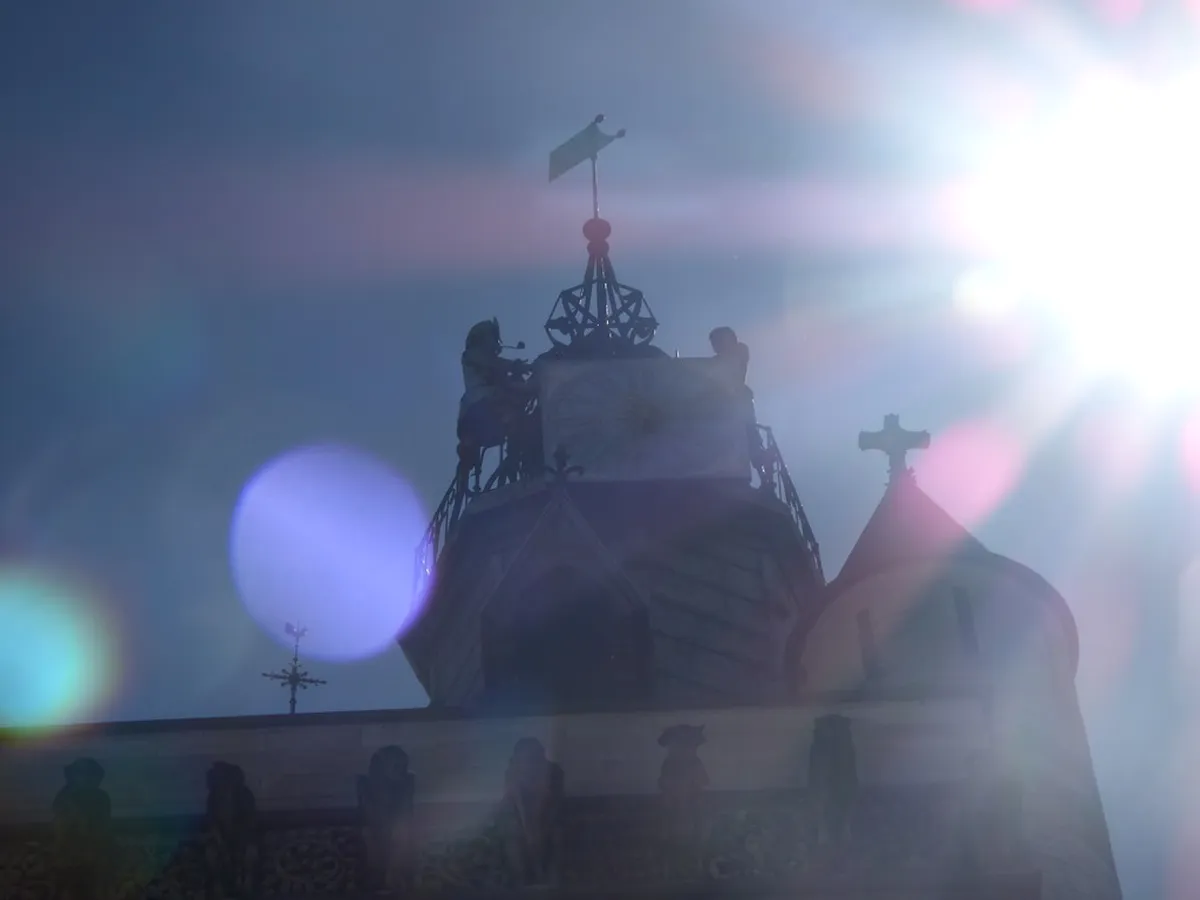
The Jacquemart clock tower sits atop the church and features a family of mechanical bronze figures. These figures strike a large bell every fifteen minutes to signal the passage of time to residents. This historic clock was taken as a trophy from the town of Courtrai during the 14th century. Watching the mechanical family perform their duties is a favorite activity for tourists gathered in the street.
The interior of the church is equally impressive with its high vaulted ceilings and ancient stained glass. You can see the 11th-century Black Madonna statue, which is one of the oldest in the country. Entry to the church is free, but visitors should remember to remain quiet during the daily services. It provides a peaceful sanctuary away from the busy shopping streets located just outside the heavy doors.
Cathédrale Saint-Bénigne and its Tiled Roof
Cathédrale Saint-Bénigne is a massive structure that serves as the main seat for the local Catholic archbishop. The building features a unique combination of Romanesque and Gothic elements that tell a long architectural story. You will immediately notice the colorful glazed tiles that form intricate geometric patterns on the steep roof. These bright roofs are a classic signature of the traditional building style found throughout the Burgundy region.
The central spire of the cathedral reaches high into the sky and can be seen from miles. It was rebuilt in the 19th century to replace an older version that had fallen into disrepair. The stone exterior displays the strength and permanence of religious architecture in this part of eastern France. Visitors often stop to photograph the grand entrance and the detailed carvings around the main wooden doors.
A visit to the circular Romanesque crypt is a highlight for those interested in the very early history. This subterranean space houses the remains of Saint Benignus, who brought Christianity to the local area long ago. The atmosphere in the crypt is quiet and reflective, offering a contrast to the grand cathedral above. Admission to this specific historic area costs only a few euros and is worth the small price.
The interior of the main cathedral is vast and features large pipe organs and beautiful religious art. You can attend choral concerts here throughout 2025 to experience the incredible acoustics of the stone hall. It is located near the botanical gardens, making it easy to combine these two sites in one afternoon. Take a moment to sit in the pews and admire the craftsmanship of the ancient stone masons.
The Renaissance Beauty of Hôtel de Vogüé
Hôtel de Vogüé is widely considered to be one of the most beautiful private mansions in France. It was built in the early 17th century for a wealthy member of the local Burgundy parliament. This mansion is a highlight for anyone seeking must-see iconic buildings of Dijon today. The design reflects the transition from late Renaissance styles to the more formal classicism of the period.
The interior courtyard is often open to the public and features a stunning Italian-inspired stone loggia. You can see detailed carvings of mythological scenes and floral motifs across the stone walls and arches. The colorful tiled roof provides a striking contrast against the pale limestone used for the main building walls. It is a perfect place for photographers to capture the essence of high-class historical living in Dijon.
The building serves as a reminder of the wealth and influence held by the city's legal elite. Many of these grand townhouses were built to showcase the status of their owners to the public. You can find several similar mansions scattered throughout the historic district, but this one is the best. Walk slowly through the nearby streets to discover other hidden gems that feature equally impressive stone facades.
Access to the main living quarters is restricted, but the courtyard offers plenty for visitors to see. You should visit during regular business hours on weekdays for the best chance to enter the grounds. The mansion is located just a short walk from the Notre-Dame church and the main palace square. It remains an enduring symbol of the elegance and sophistication of 17th-century French provincial architecture.
Historic Half-Timbered Houses of Old Dijon
The historic center of the city is home to many beautifully preserved medieval half-timbered houses today. These structures are most prominent along Rue de la Verrerie and the streets near the main market hall. You will see exposed wooden beams that form complex patterns on the facades of these ancient buildings. Many of these houses date back to the 15th century and have survived the passage of time.
Maison Maillard is a particularly famous example that features intricate stone and wood carvings on its exterior. The upper floors of these houses often lean out over the narrow cobblestone streets below them. This architectural design was used to maximize living space while minimizing the ground footprint of the building. Walking through this area feels like stepping back into the bustling merchant life of the Middle Ages.
Many of these historic buildings have been converted into charming boutique shops and local artisan galleries recently. You can find traditional crafts and regional products sold within these walls by local business owners. The ground floors often feature cozy cafes where you can stop for a quick coffee or tea. This blend of historic preservation and modern commerce makes the area very popular with international tourists.
Be sure to explore the hidden courtyards that are often tucked away behind large and heavy wooden doors. These private spaces sometimes reveal ancient wells and small gardens that are hidden from the main street. You should always be respectful of residents when entering these areas to take photos of the architecture. The contrast between the dark wood and white plaster creates a very striking visual for your travel.
Neoclassical Design of the Grand Théâtre
The Grand Théâtre brings a touch of neoclassical grandeur to the architectural landscape of the city center. It was built in the early 19th century and features a facade inspired by ancient Greek temples. The massive Corinthian columns create a sense of drama and importance for everyone who approaches the entrance. This building serves as the home for the Dijon Opera and hosts many prestigious cultural events annually.
The interior of the theater is just as impressive as the exterior with its classic Italian-style hall. Red velvet seats and gold leaf decorations create a luxurious atmosphere for enjoying a night of high art. The acoustics of the building are renowned throughout France for being exceptionally clear and well-balanced for music. You can book a guided tour to see the stage and the ornate dressing rooms behind the scenes.
Tickets for the opera and theater performances can be purchased online or at the local box office. Prices are generally reasonable, with some seats available for as little as twenty euros for certain shows. Attending a performance in 2025 is a wonderful way to experience the living history of this landmark. The theater is located near the main shopping district and is easy to find during your walk.
The building is illuminated beautifully at night, making it a great subject for evening photography in the city. You will find many locals gathering on the steps before a show starts to socialize and talk. The surrounding square is filled with restaurants and bars that stay busy long after the final curtain falls. It represents the continued importance of the arts in the daily life of this historic French community.
Frequently Asked Questions
What is the best way to see the architecture in Dijon?
Following the Owl Trail is the most effective way to see all the major architectural sites. This self-guided walking tour uses brass plates in the pavement to guide you through the historic center. Walking the Owl Trail provides access to unique facades to photograph in Dijon during your stay. You can purchase a detailed guidebook at the tourism office for a very small fee.
Is it free to visit the historical buildings in Dijon?
Most of the major churches and the fine arts museum offer free entry to all visitors. Some specific sites like the palace tower or the cathedral crypt require a small payment for access. These fees are usually under five euros and help with the maintenance of these ancient structures. You should check the current opening hours before you start your tour of the city.
Which building is the oldest in the city of Dijon?
The crypt of the Cathédrale Saint-Bénigne is one of the oldest standing structures in the entire city. Parts of this subterranean space date back to the early 11th century and the Romanesque period. It provides a rare look at the very early foundations of the city before the Gothic era. Exploring this site is like taking a direct journey back into the distant past of Burgundy.
Exploring the architecture of this city offers a unique glimpse into the rich history of Burgundy. You will find that every street corner reveals a new and fascinating story from the past. Plan your 2025 visit to experience these incredible landmarks and the local culture for yourself. This city remains a top destination for those who love history and beautiful European design.
Key Takeaways
- Follow the Owl Trail to see all major sites in a single afternoon.
- Book your climb for the Philippe le Bon tower in advance during summer months.
- Entry to many of the most famous historic sites in Dijon remains free today.
Related reads: streetartly.com, street art and architecture in dijon, dijon street art guide.