
Grenoble's Architectural Periods and Styles Guide
Explore Grenoble architectural periods and styles. Discover historic, Art Deco, and modern designs in 2025. Plan your architectural journey!
On this page
Grenoble offers a rich tapestry of architectural periods and styles. The city's buildings tell stories spanning centuries. Understanding these designs deepens your appreciation. This guide helps you explore Grenoble's unique visual history.
From ancient foundations to modern marvels, each era left its mark. You will discover different building styles in Grenoble. Prepare to walk through history on your next visit in 2025.
Ancient Roots and Medieval Foundations
Grenoble's earliest architecture dates back to Roman times. Remnants of the ancient walls still exist. These provide a glimpse into the city's past. The Crypte Saint-Laurent shows early Christian influences.
Medieval Grenoble saw the rise of defensive structures. Stone houses and fortifications protected the city. Narrow streets defined the urban landscape. Explore these historic areas for a true sense of the past.
Many buildings underwent changes over centuries. Original medieval elements remain hidden. Seek out older courtyards and facades. They often reveal fascinating historical details.
Renaissance to Classical Grandeur
The Renaissance brought new architectural ideas to Grenoble. Buildings began to feature more ornate designs. Symmetrical facades became popular. Private mansions showcased increased wealth and artistry.
Classical influences arrived in later centuries. Grand public buildings adopted stately forms. Stone became a prominent construction material. Look for harmonious proportions and elegant details.
The Palais du Parlement du Dauphiné exemplifies this era. Its impressive facade dominates Place Saint-André. Many buildings around the city center reflect these styles. They demonstrate significant periods of growth for Grenoble.
Art Deco and Belle Époque Elegance
The late 19th and early 20th centuries transformed Grenoble. Belle Époque buildings introduced elaborate ornamentation. Ironwork balconies and decorative motifs became common. These styles brought a touch of glamour.
Art Deco architecture in Grenoble truly stands out. It features geometric shapes and streamlined forms. Bold colors and luxurious materials were often used. Buildings like the Cinéma Pathé Chavant are prime examples.
Many residential buildings from this period remain. Walk through the Île Verte district to see these gems. This era showcases a fascinating shift in different building styles in Grenoble. The blend of old and new is truly captivating.
Modern Grenoble Architecture and Innovations
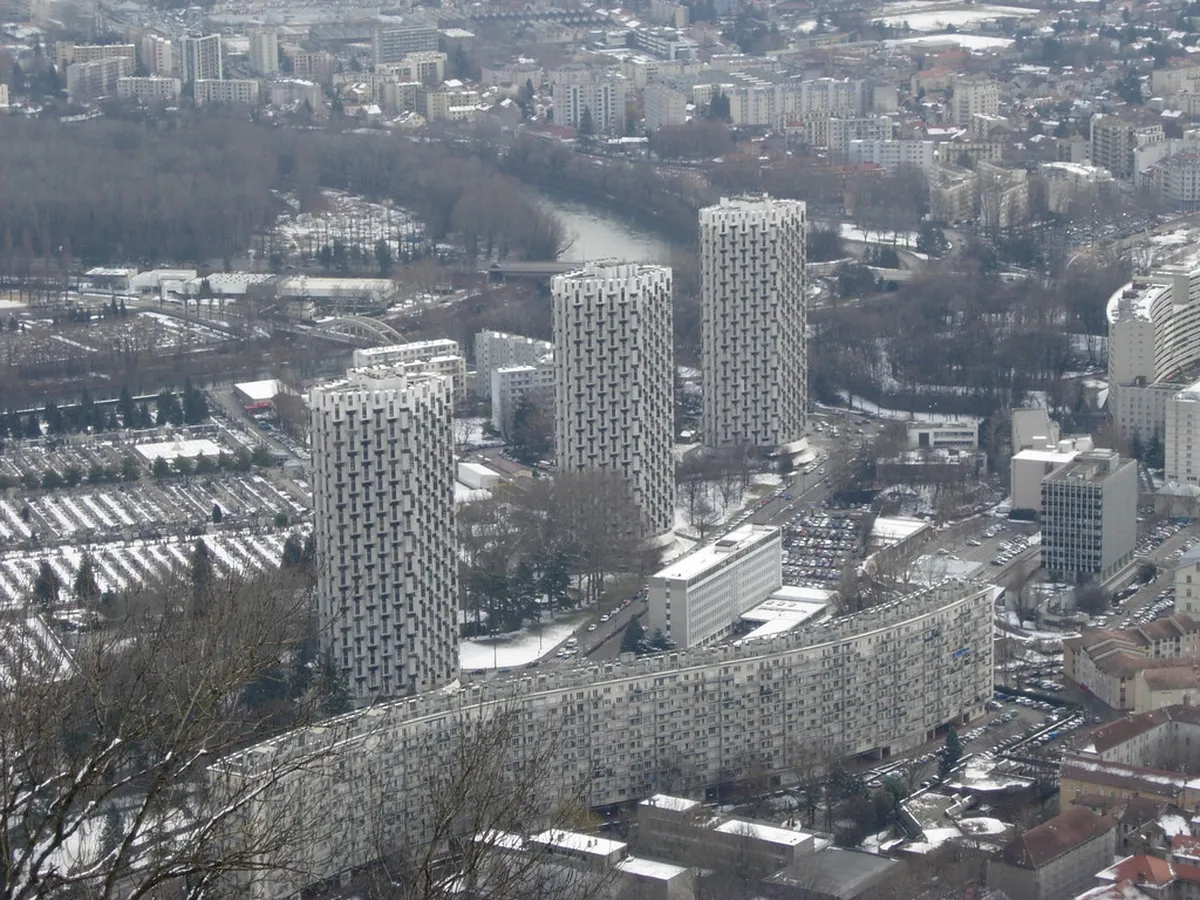
Post-war Grenoble embraced modernist principles. New urban planning focused on functionality. Concrete and steel became favored construction materials. Architects aimed for innovative and practical designs.
The 1968 Winter Olympics spurred significant development. Modern architecture Grenoble then saw rapid expansion. The Olympic Village is a notable example. It showcases the era's forward-thinking vision.
Today, Grenoble continues to innovate architecturally. Sustainable design is a key focus. New buildings blend into the urban landscape. This blend creates a dynamic and evolving cityscape. Consider a Grenoble architecture walking tour to see these contrasts.
Frequently Asked Questions
What are the most famous Grenoble architectural styles?
Grenoble features Roman remnants and medieval structures. You will also see beautiful Renaissance and Classical buildings. The city is especially known for its significant Art Deco architecture. Modernist and contemporary designs also enrich the urban fabric.
Can I find a guide to historic Grenoble architecture?
Yes, many resources exist for historic architecture tours. The city center offers numerous examples. Local tourism offices provide maps and information. Look for guided tours focusing on specific periods or themes.
Where can I see the best modern architecture in Grenoble?
Explore the Île Verte neighborhood for excellent modern designs. The Europole district also features contemporary buildings. New developments near the university often showcase innovation. These areas highlight Grenoble's future-forward approach.
Grenoble's architectural periods and styles offer a journey through time. From ancient walls to sleek modern structures, the city tells its story. Each building contributes to its unique character. Plan your visit to truly experience these diverse designs.
Discover the beauty and history embedded in Grenoble's urban fabric. Take the time to explore its many architectural wonders. Your 2025 trip promises a truly enriching experience. Start planning your adventure today!
Key Takeaways
- Grenoble's architecture spans Roman, Medieval, Renaissance, Art Deco, and Modern eras.
- Look for Art Deco buildings in the Île Verte district for unique designs.
- The city's development was heavily influenced by the 1968 Winter Olympics.
Related reads: streetartly.com.