
Montpellier Architecture Styles: A Guide to Its History
Discover Montpellier architecture styles from medieval to modern. Explore historic buildings and contemporary designs in this French city. Plan your 2025 visit!
On this page
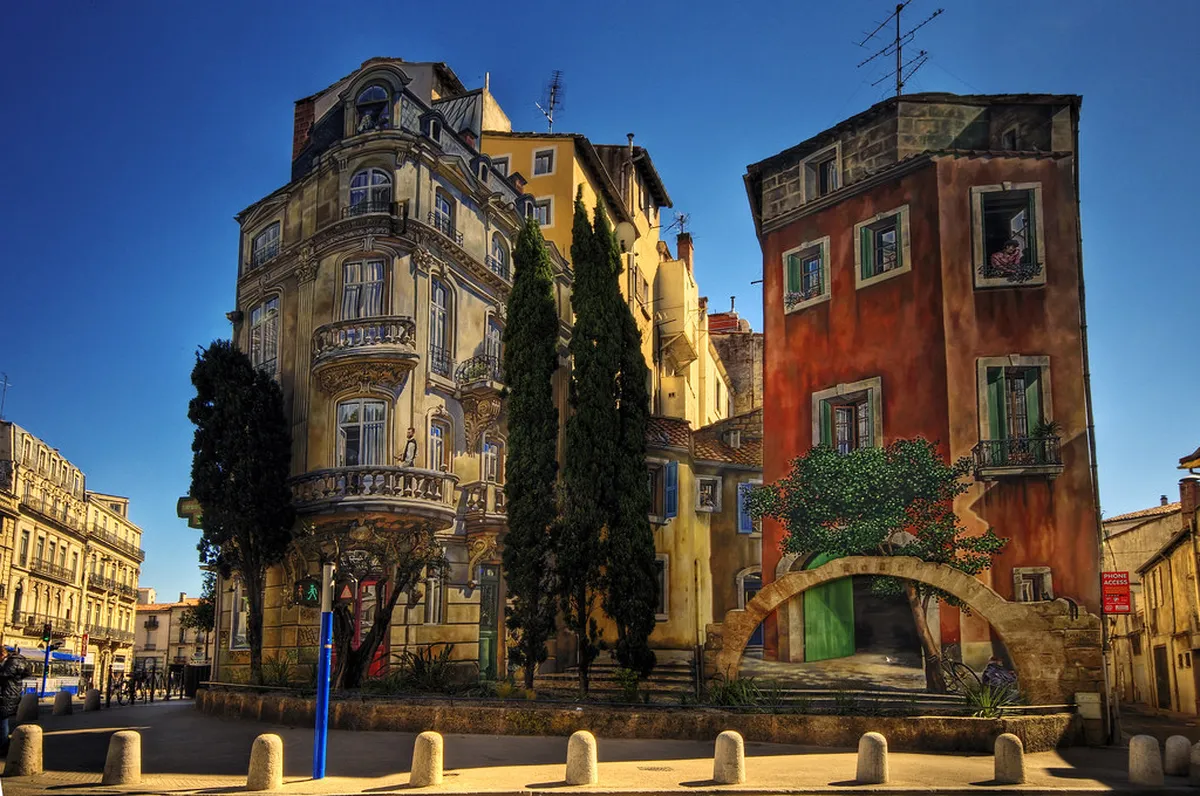
Montpellier boasts a rich tapestry of architectural styles. This vibrant French city blends centuries of design. You will find ancient Roman roots alongside striking modern structures. Understanding these styles enhances your visit significantly. Join us to explore Montpellier architecture in 2025.
From medieval marvels to contemporary masterpieces, the city tells a unique story. Each building style reflects a distinct historical period. This guide explains the diverse Montpellier architecture. Prepare to discover true hidden gems.
Medieval & Gothic Foundations of Montpellier
Montpellier's historic core reveals its medieval past. Narrow streets wind around ancient stone buildings. This area, known as L'Écusson, dates back centuries. You can see remnants of fortifications and early churches.
The city's earliest structures showcase Romanesque and Gothic influences. The Saint-Pierre Cathedral stands as a prime example. Its imposing fortified façade is truly impressive. This former monastery church became a cathedral in 1536.
Explore the hidden courtyards in the Old Town. Many private mansions retain medieval features. Stone arches and vaulted passages are common elements. These buildings offer a glimpse into the city's rich history. Consider an Old Town Montpellier architecture walk to see them.
Classical & Renaissance Splendor in Montpellier
The 17th and 18th centuries brought significant changes. Montpellier adopted classical and Renaissance architectural styles. Grand hôtels particuliers (private mansions) emerged. These homes featured symmetrical façades and elegant courtyards.
Many beautiful examples line Rue de la Loge and Place de la Comédie. The Fabre Museum building is a superb illustration. Its classical lines and grand entrance are noteworthy. These structures reflect the city's growing prosperity.
The Promenade du Peyrou is another classical masterpiece. This royal promenade dates to the late 17th century. It features a triumphal arch and a water château. Visitors enjoy stunning city views from this elevated space.
Haussmannian Influences & Neo-Classical Grandeur
Montpellier also experienced Haussmannian-style urban planning. This approach, popular in 19th-century Paris, shaped new boulevards. Wide avenues and uniform buildings characterize this era. The city expanded beyond its medieval walls.
Buildings from this period often feature ornate balconies and intricate details. They boast stately stone façades and high ceilings. Place de la Comédie is surrounded by such magnificent structures. This vibrant square forms the heart of Montpellier.
Notable neo-classical buildings include the Opéra Comédie. This grand theatre showcases elegant columns and sculptures. It reflects the era's taste for classical aesthetics. These buildings contribute to Montpellier's sophisticated urban landscape. Discover more historic buildings to see in Montpellier.
Modern & Contemporary Montpellier Architecture
Montpellier has embraced bold contemporary design. The Antigone district, designed by Ricardo Bofill, is a striking example. It features monumental neo-classical structures with modern materials. This district offers a vision of urban living.
Further modern developments include Port Marianne. This area showcases innovative architects like Jean Nouvel. L'Arbre Blanc (The White Tree) is a famous recent addition. Its unique balconies resemble tree branches.
These modern projects demonstrate Montpellier's forward-thinking vision. They blend residential, commercial, and green spaces. The city continues to evolve with cutting-edge designs. Explore modern architecture Montpellier highlights on your trip.
Frequently Asked Questions
What are the oldest architectural styles in Montpellier?
Montpellier's oldest architectural styles are Romanesque and Gothic. You can see these in the Saint-Pierre Cathedral. The medieval Old Town also preserves many early features. These styles date back to the 12th and 13th centuries.
Where can I see modern architecture in Montpellier?
You can find impressive modern architecture in the Antigone district. The Port Marianne area also features many contemporary buildings. L'Arbre Blanc is a must-see for modern design enthusiasts. These areas offer a stark contrast to the historic center.
Are there any guided tours for Montpellier architecture?
Yes, many local companies offer guided architecture tours. They explore both historic and modern districts. A self-guided walk is also possible using city maps. Consider a specialized historic Montpellier architecture tour. These tours provide valuable insights.
Montpellier offers an incredible architectural journey. From medieval alleys to modern masterpieces, the city delights. Each style tells a part of its rich history. Plan your visit to experience these diverse designs in 2025. Explore the unique blend of old and new.
Key Takeaways
- Montpellier blends medieval, classical, and modern architecture.
- L'Écusson showcases medieval and Gothic structures.
- Antigone and Port Marianne feature striking contemporary designs.
- Look for private mansions and grand boulevards from later periods.