
Historic Montpellier Architecture Tour: A 2025 Guide
Discover Montpellier's rich architectural past on a historic Montpellier architecture tour. Explore medieval alleys and grand squares in 2025. Plan your visit today!
On this page
Montpellier offers a captivating journey through time. Its historic architecture tells centuries of stories. This vibrant French city blends medieval charm with neoclassical grandeur. A historic Montpellier architecture tour reveals stunning facades and hidden courtyards. Prepare to explore this fascinating urban landscape in 2025.
You will wander through narrow medieval streets. Then, you will marvel at elegant 18th-century mansions. Montpellier's diverse styles make every corner a discovery. From ancient Roman roots to modern designs, the city is an architectural marvel. It is a perfect destination for history and art lovers.
Journey Through Montpellier's Historic Architecture
Montpellier boasts a rich tapestry of architectural styles. Its history spans from Roman times to the present day. You can see influences from medieval, neoclassical, and Haussmannian periods. This diverse heritage makes the city truly unique. Each era left its distinctive mark.
The city's growth saw various building techniques. Medieval builders created dense, winding streets. Later, grand neoclassical designs reshaped central areas. Discover how Montpellier evolved through its stunning buildings. Explore Montpellier's street art and architecture for a full cultural experience.
Modern architects also added their touch. Buildings like the new Hôtel de Ville stand out. They contrast beautifully with older structures. This blend of old and new defines Montpellier's character. It offers a fascinating study for any visitor in 2025.
Unveiling Medieval Montpellier's Charm
Start your historic Montpellier architecture tour in the Écusson. This is the city's charming old town. Here, narrow, winding streets reveal medieval secrets. Many buildings date back to the 12th and 13th centuries. They showcase typical Romanesque and Gothic elements.
Look for vaulted passages and hidden courtyards. These offer a glimpse into Montpellier's past. The Mikvé, a preserved Jewish ritual bath, is a notable stop. It dates back to the 12th century. The intricate stone work is truly impressive.
Don't miss the Faculté de Médecine building. It is one of the oldest medical schools in the world. Its gothic cloister is magnificent. This area perfectly captures medieval Montpellier. Take an old town architecture walk to experience it fully.
Grandeur of Neoclassical Montpellier
Move from the medieval core to grander avenues. The 18th and 19th centuries brought neoclassical expansion. Place de la Comédie stands as Montpellier's vibrant heart. The Opéra Comédie, an Italian-style theater, dominates the square. Its majestic facade is a true highlight.
Nearby, the Esplanade Charles de Gaulle offers elegant promenades. Surrounding buildings feature classical columns and balanced designs. The former Palais de Justice, built in the 19th century, showcases this style. Its imposing presence reflects the era's taste for grandeur.
Walk towards the Arc de Triomphe. This impressive arch, built in 1691, is a smaller Parisian cousin. It leads to the Promenade du Peyrou. This royal promenade offers spectacular views. Here you will find the Château d'Eau, a neoclassical water tower. Learn about these famous Montpellier buildings explained in detail.
Hidden Architectural Treasures to Discover
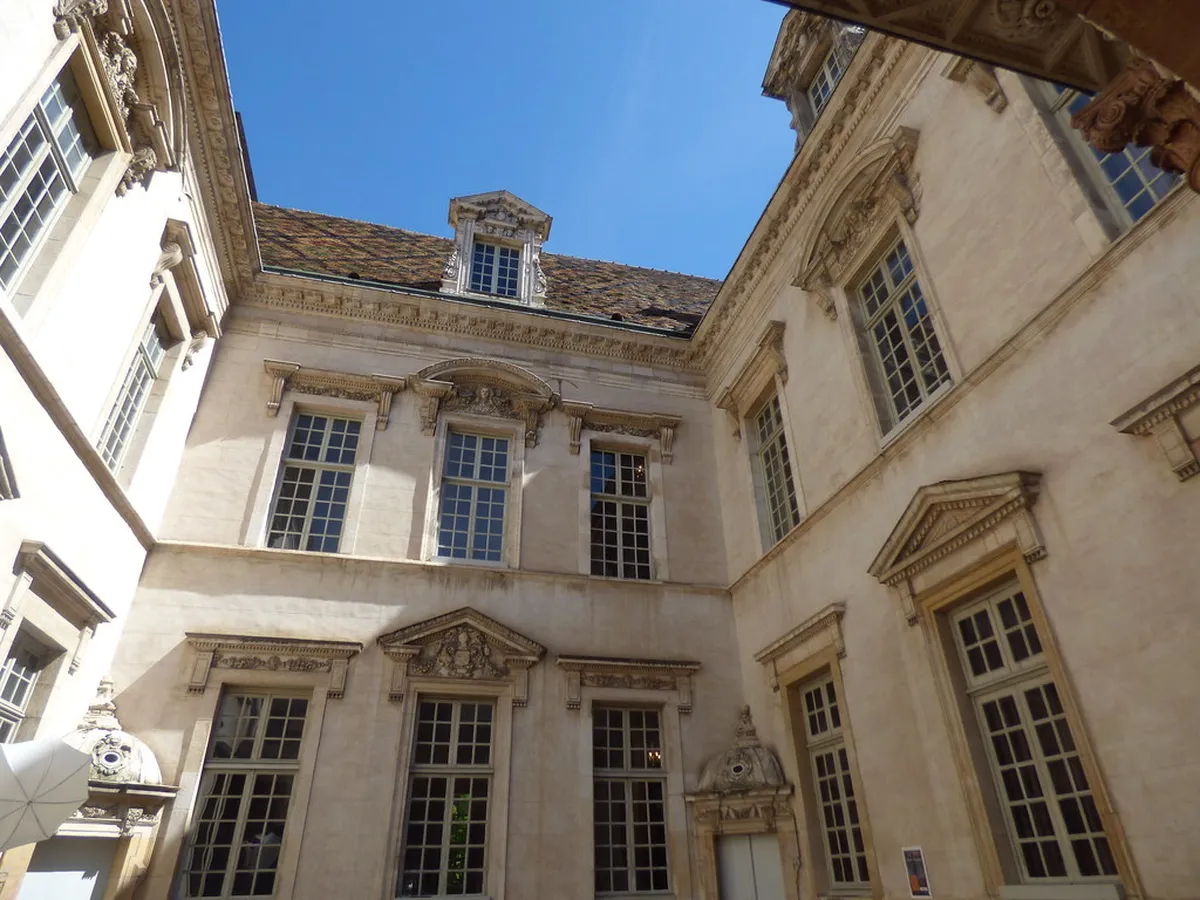
Beyond the main sights, Montpellier holds hidden gems. Many private hôtels particuliers hide behind unassuming doors. These 17th and 18th-century mansions feature ornate staircases. Their grand courtyards offer peaceful retreats from city bustle.
Seek out the Hôtel de Sarret or Hôtel de Manse. Often, their courtyards are open to visitors. These buildings reveal exquisite craftsmanship and luxurious details. Their beauty is truly captivating. Discovering them feels like finding secret passages.
Another less-known gem is the Saint-Roch Church. While it appears modern from the outside, its interior is charming. It features beautiful stained glass windows. Exploring these hidden architectural gems in Montpellier adds depth to your tour.
Planning Your Historic Architecture Tour in 2025
To best experience Montpellier's architecture, plan ahead. Consider a self-guided walk with a good map. Many city offices provide free guides. Guided tours are also available from local experts. These offer deeper insights and historical context.
Best Time to Visit: Spring (April-June) and Fall (September-October) offer pleasant weather. Temperatures are mild, and tourist crowds are thinner. This allows for comfortable walking and exploration. Summer can be hot, with more visitors.
Tour Duration: A comprehensive tour can take a full day. You might spend 4-6 hours exploring the old town and major sites. Wear comfortable shoes for walking. Many areas are pedestrian-only. Consult a guide to architectural styles for a richer understanding.
Costs: Most outdoor exploration is free. Entry to specific museums or private mansions may have a fee. Expect to pay around €5-€10 for guided tours per person. Factor in public transport if you plan to venture outside the city center.
Frequently Asked Questions
What are the most famous historic buildings in Montpellier?
Montpellier boasts several iconic structures. The Opéra Comédie on Place de la Comédie is a must-see. The Arc de Triomphe and Promenade du Peyrou are also famous. Don't forget the historic Faculté de Médecine. These buildings showcase diverse architectural periods.
Can I explore Montpellier's historic architecture on a self-guided tour?
Yes, self-guided tours are highly recommended. The city center is very walkable. Pick up a map from the tourist office. Many apps also provide architectural routes. This allows you to explore at your own pace. Find more historic buildings to see on a self-guided adventure.
What architectural styles can I see in Montpellier?
Montpellier displays a fascinating mix of styles. You will find medieval Romanesque and Gothic architecture. Neoclassical and Haussmannian influences are also prominent. Later additions include Art Nouveau and modern designs. This blend reflects Montpellier's long history.
Are there any walking tours for Montpellier's historic architecture?
Many local companies offer guided walking tours. These tours provide expert commentary. They often focus on specific periods or themes. Check with the Montpellier Tourist Office. They can recommend reputable guides. Booking in advance is often wise, especially during peak season.
A historic Montpellier architecture tour is an unforgettable experience. From medieval alleys to grand neoclassical squares, the city reveals its past. Each building tells a part of Montpellier's vibrant story. Plan your 2025 trip to discover these architectural wonders.
Embrace the charm, history, and beauty of this southern French gem. Whether you take a guided tour or explore independently, you will be amazed. Delve deeper into Montpellier's architectural styles to enrich your visit. Montpellier awaits your discovery.
Key Takeaways
- Montpellier offers a diverse architectural journey from medieval to modern times.
- Explore the Écusson (old town) for medieval Romanesque and Gothic structures.
- Admire neoclassical grandeur at Place de la Comédie and Promenade du Peyrou.
- Seek out hidden 'hôtels particuliers' for secret courtyards and ornate details.
- Plan your 2025 visit in spring or fall for the best weather and fewer crowds.