
Exploring Famous Montpellier Buildings in 2025
Discover famous Montpellier buildings, from ancient cathedrals to modern marvels. Plan your 2025 architectural tour with our expert guide.
On this page
Montpellier boasts a rich architectural heritage. Its famous Montpellier buildings span centuries of design. From medieval churches to cutting-edge modern structures, the city tells a unique story. This guide helps you explore its diverse styles in 2025. Discover the beauty of Montpellier's urban landscape.
You will find stunning examples of Gothic, Classical, and contemporary design. Each structure offers a glimpse into the city's past and future. Prepare to be amazed by the intricate details and grand scale. This article covers key landmarks and hidden gems.
Ancient Grandeur: Historic Montpellier Buildings
Montpellier's Old Town, known as L'Écusson, holds incredible history. Its narrow streets lead to truly ancient structures. These historic Montpellier buildings reflect centuries of development. They offer a tangible connection to the city's past.
The Cathédrale Saint-Pierre stands as a prime example. This impressive Gothic cathedral was originally a monastery church. It dates back to the 14th century. Admission is free, and it opens daily from 9 AM to 6 PM. Check for specific mass times.
Its imposing porch, supported by two massive, round towers, is unique. Inside, you will find beautiful stained glass windows. The peaceful atmosphere provides a serene escape. Learn more about the Cathedrale Saint-Pierre's architecture and history.
Another significant landmark is the Arc de Triomphe. This grand arch, built in 1691, marks the entrance to the Promenade du Peyrou. It honors King Louis XIV. You can climb to the top for a small fee, usually around 3-5 euros. The views are absolutely spectacular.
Classical Elegance: Montpellier's Royal Promenade
The 17th and 18th centuries brought significant classical influences. This era shaped many prominent Montpellier buildings. Grand squares and public spaces were developed. They reflect a period of royal patronage and urban planning.
Place de la Comédie is the city's vibrant heart. It is often called 'L'Oeuf' (the egg) due to its oval shape. Surrounded by elegant Haussmannian buildings, it pulsates with life. Cafes and shops line the square, inviting visitors to linger.
The magnificent Opéra Comédie dominates one side of the square. This Italian-style opera house opened in 1888. Its ornate facade and opulent interiors are stunning. Ticket prices for performances vary, starting from around 20-30 euros. Guided tours are sometimes available for a small fee. Discover more about the Opéra Comédie's design.
Beyond the Arc de Triomphe lies the Promenade du Peyrou. This royal esplanade features the equestrian statue of Louis XIV. It offers panoramic views of the Cévennes mountains. The Peyrou water tower, a classical masterpiece, stands at its end.
Artistic Treasures: Museums and Cultural Hubs
Montpellier is a city that celebrates art and culture. Many of its famous buildings house incredible collections. These cultural hubs are destinations in themselves. They combine beautiful architecture with inspiring exhibitions.
The Musée Fabre is one of France's largest art museums. It occupies an elegant 19th-century building. The museum showcases European masterpieces. Expect works from the Renaissance to modern art. Entry costs about 8-12 euros, with free admission on the first Sunday of each month.
Its architectural design blends classicism with contemporary extensions. The museum offers a rich experience for art lovers. Allow at least two to three hours for a visit. Explore the Musée Fabre's architectural details.
The Pavillon Populaire focuses on photography exhibitions. This small, charming building is near Place de la Comédie. It hosts free, high-quality shows. Check their website for current exhibitions and opening hours. It is usually open from 10 AM to 6 PM, closed on Mondays.
Modern Marvels: Montpellier's Contemporary Architecture
Montpellier is not just about history; it embraces innovation. The city actively commissioned contemporary architects. This has led to striking modern Montpellier buildings. These structures often blend seamlessly with older areas.
The Antigone District is a masterpiece of urban planning. Designed by Ricardo Bofill, it features Neoclassical grandeur. Grand plazas and monumental residential buildings create a unique feel. Its bold scale and symmetry are truly impressive. It is best explored by foot or tram.
Another iconic modern structure is L'Arbre Blanc (The White Tree). Sou Fujimoto designed this distinctive residential tower. Its balconies jut out like tree branches. This creates a fascinating and organic aesthetic. This building is a true landmark of 21st-century design. Discover more modern architecture highlights in Montpellier.
Other contemporary works include the Pierre Vives building. Zaha Hadid designed this striking departmental archive. These structures showcase Montpellier's forward-thinking vision. They demonstrate a commitment to bold, modern design.
Exploring Montpellier's Architectural Diversity
To truly appreciate Montpellier's architecture, embrace walking. Many of the city's most impressive buildings are close together. Plan your route to maximize your sightseeing. Start early to avoid crowds, especially during peak season.
Consider a self-guided architectural tour using online resources. Many apps provide maps and information. Look for guided tours at the Tourist Office for deeper insights. These tours often cover specific themes or historical periods.
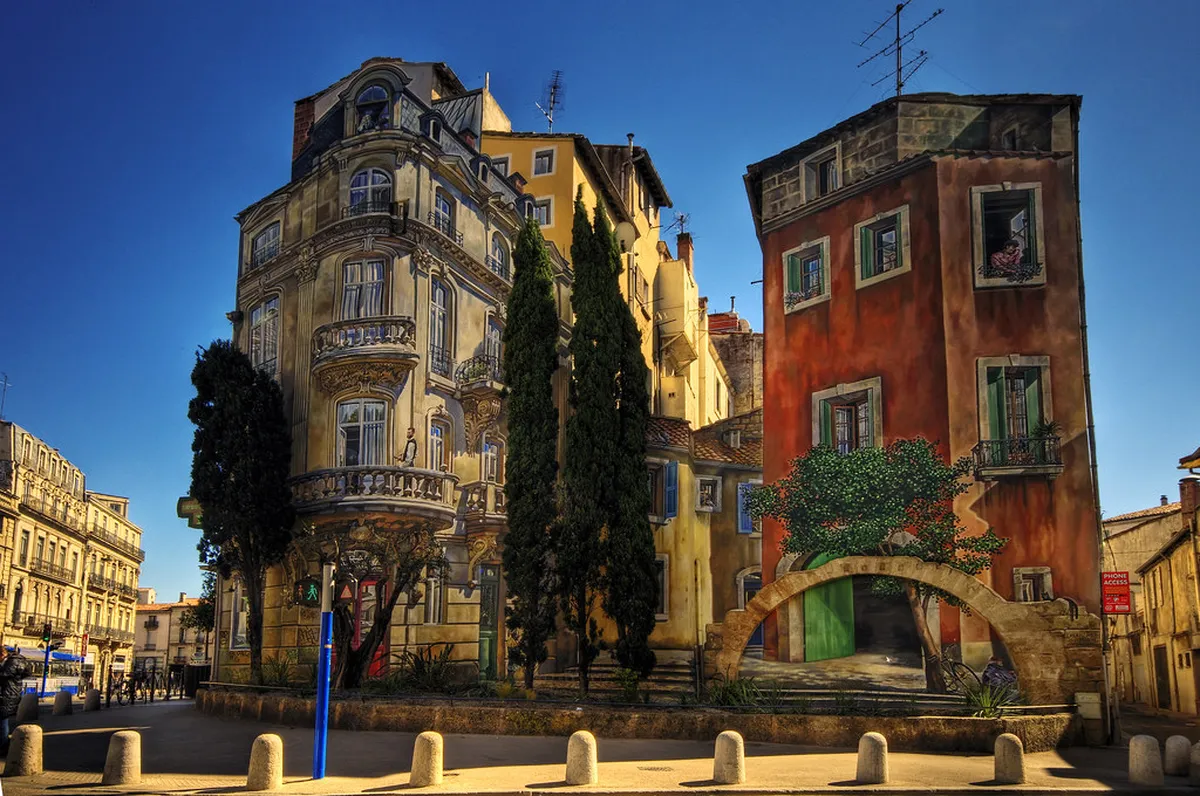
Don't forget to look up and notice smaller details. Intricate balconies, ornate doorways, and unique rooflines abound. Some of Montpellier's most beautiful features are often overlooked. Explore some of the hidden architectural gems that locals cherish.
Many charming squares, like Place Saint-Roch, also feature beautiful structures. Take time to sit and absorb the atmosphere. Enjoy a coffee and watch daily life unfold. This helps you connect with the city's living history. Plan your visits for 2025 for the best experience.
Frequently Asked Questions
What are the oldest famous Montpellier buildings to visit?
The oldest significant building is the Cathédrale Saint-Pierre. It dates back to the 14th century. Another historic landmark is the Arc de Triomphe from the late 17th century. These sites offer a glimpse into Montpellier's medieval and classical past.
Can I find modern architecture in Montpellier, France?
Yes, Montpellier is known for its bold modern architecture. The Antigone district, designed by Ricardo Bofill, is a must-see. L'Arbre Blanc by Sou Fujimoto is another iconic contemporary structure. The city continues to embrace innovative design projects.
What is the best way to explore Montpellier's architecture?
Walking is the ideal way to explore Montpellier's diverse buildings. The historic center is pedestrian-friendly. You can easily navigate between different architectural styles. Consider a self-guided tour with a map. Exploring Montpellier's architecture on foot is highly rewarding.
Are there guided tours for Montpellier buildings in 2025?
Yes, the Montpellier Tourist Office offers various guided tours. These tours often focus on specific themes or districts. Check their website or visit in person for schedules and booking. Private guides can also be arranged. Booking ahead is recommended, especially for peak seasons.
Montpellier's famous buildings showcase a rich tapestry of styles. From ancient Gothic cathedrals to bold contemporary designs, there is much to explore. Each structure tells a part of the city's fascinating story. Plan your 2025 visit to experience this architectural journey firsthand.
Whether you prefer historical grandeur or modern innovation, Montpellier delivers. Take your time to discover its iconic landmarks and hidden treasures. Immerse yourself in the beauty of its urban landscape. Your architectural adventure awaits in this captivating French city.
Key Takeaways
- Montpellier's architecture spans diverse eras, from medieval to modern.
- Walk to explore landmarks like Cathédrale Saint-Pierre and L'Arbre Blanc effectively.
- Consider guided tours for deeper insights into specific buildings and areas.
- Look beyond the main attractions for hidden architectural details and charming squares.
- Visit in 2025 to experience the city's vibrant blend of history and contemporary design.