
Cathédrale Saint-Pierre Montpellier: Architecture Facts
Uncover Cathédrale Saint-Pierre Montpellier's stunning architecture. Learn historical facts, design details, and visitor tips for 2025. Plan your visit!
On this page
Montpellier boasts incredible historical landmarks. Among them stands the magnificent Cathédrale Saint-Pierre Montpellier. This guide explores its unique architecture. Discover its rich history and fascinating design elements. It's a true gem of Southern France.
Originally a monastic church, it became a cathedral. Its imposing structure dominates the city skyline. Prepare to delve into its medieval past. Uncover the secrets of this architectural masterpiece. Explore more historic Montpellier architecture on your trip.
A Glimpse into History: Cathédrale Saint-Pierre's Origins
The Cathédrale Saint-Pierre Montpellier started as a chapel. It was part of an ancient Benedictine monastery. Pope Urban V established the university here in 1364. He then converted the chapel into a church. This event marked its ecclesiastical importance.
Construction began in the 14th century. The church suffered significant damage. Wars of Religion in the 16th century caused destruction. It was rebuilt and consecrated again. Its resilience is truly remarkable.
The structure we see today reflects centuries of changes. Each era added its own architectural layer. This blend tells a compelling story. It speaks of faith, conflict, and renewal. The cathedral stands as a testament to time.
This historical evolution makes it unique. It differentiates it from other famous Montpellier buildings. Its past as a fortress-church is evident. The building has truly stood the test of time.
Unveiling the Fortress-Like Facade
The most striking feature is its western facade. Two massive conical towers guard the entrance. These turrets resemble medieval fortress towers. They give the cathedral its distinctive appearance. This design sets it apart instantly.
A vast, vaulted porch connects these towers. It creates an imposing grand entrance. The porch feels almost like a tunnel. It leads visitors into a different era. This design offers natural protection too.
The facade is built from sturdy, rough-hewn stone. This material enhances its defensive look. Gargoyles and sculptures adorn the exterior. They add intricate details to the rugged design. Look closely for hidden artistic elements.
This fortress-like quality is no accident. It served as a protective barrier. The church needed strong defenses. It survived many sieges throughout history. This strength is visible in every stone.
Inside Cathédrale Saint-Pierre: Architectural Marvels
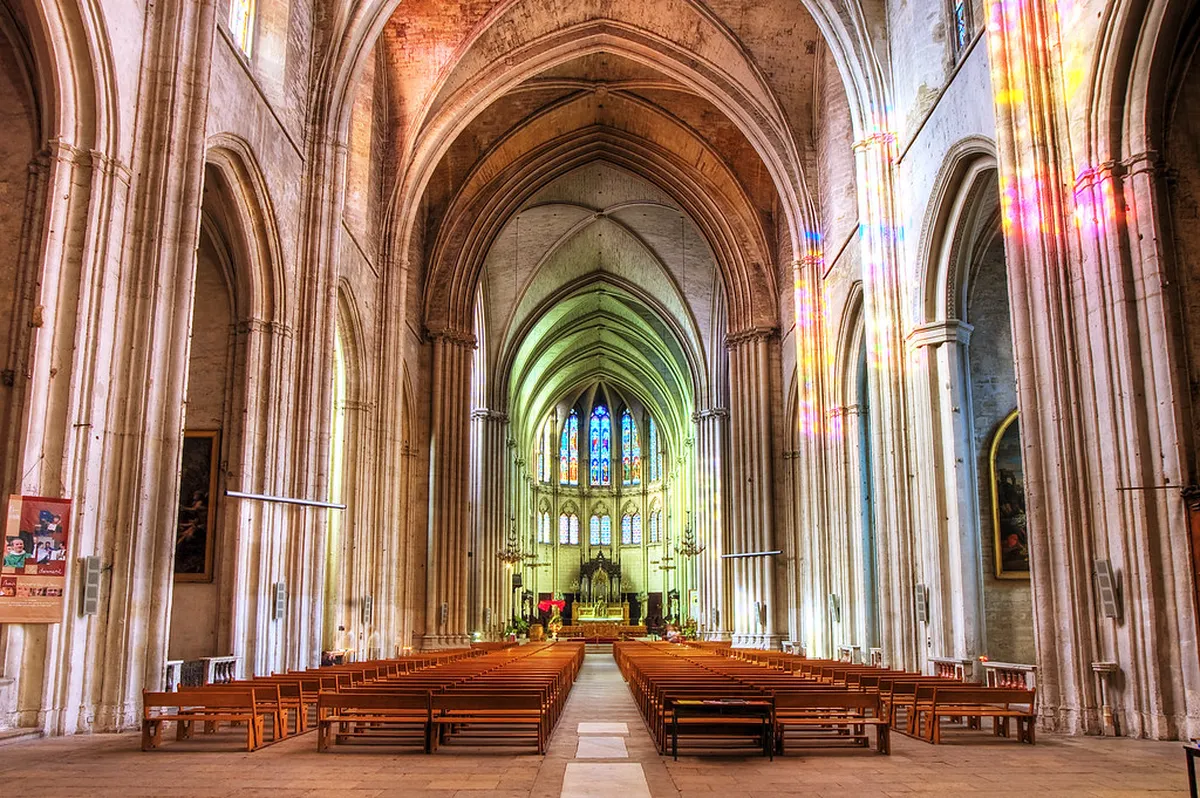
Step inside to discover a vast interior. The nave features towering Gothic arches. These arches draw your eyes upwards. Light streams through beautiful stained-glass windows. The atmosphere is solemn and inspiring.
The cathedral boasts several side chapels. Each chapel holds unique artwork and altars. Spend time admiring the intricate details. You'll find sculptures and religious artifacts. These spaces offer quiet reflection.
The choir area is particularly impressive. It features ornate wooden stalls. The high altar commands attention. The organ, rebuilt after damage, resonates powerfully. Its sound fills the entire sacred space.
Notice the subtle shifts in architectural styles. Later additions blend with the original Gothic structure. This blend reflects its long history. It showcases various periods of construction. Understand Montpellier's architectural styles better by visiting.
Key Architectural Features and Details
The impressive twin turrets are iconic. They stand at 14 meters (46 feet) high. Their conical roofs are truly distinctive. These towers symbolize strength and resilience. They make Cathédrale Saint-Pierre Montpellier unmistakable.
The porch features intricate rib vaulting. This Gothic technique provides structural support. It also adds decorative beauty. Look for delicate carvings within the stone. These details often go unnoticed.
Inside, the central nave reaches great heights. Its proportions create a sense of grandeur. The transept and chapels extend from the main body. They form a traditional cruciform plan. This design is common in Gothic cathedrals.
Don't miss the detailed stained-glass windows. Many were restored or replaced. They depict biblical scenes and saints. The play of light through them is beautiful. It changes throughout the day.
The sturdy buttresses support the exterior walls. They counteract the outward thrust of the vaults. This clever engineering allows for thinner walls. It also enables larger window openings. It's a hallmark of Gothic design.
Planning Your 2025 Visit to Cathédrale Saint-Pierre
Visiting Cathédrale Saint-Pierre Montpellier is easy. It's located in the heart of the city. The address is 6 Rue de la Chaîne, 34000 Montpellier. It's close to other major attractions. Public transport access is excellent.
Entrance to the cathedral is generally free. You can wander at your own pace. Check opening hours before you go. Hours can vary for religious services. Weekday mornings often offer fewer crowds.
Consider visiting in the shoulder seasons for the best experience. Spring and early fall provide pleasant weather. Fewer tourists will be present. Always be respectful of ongoing services. Dress modestly for your visit.
As of 2025, visitor guidelines remain consistent. Photography is usually permitted inside. However, avoid flash during services. Allow at least one hour for your visit. More time is better for detailed exploration.
Frequently Asked Questions
What is the main architectural style of Cathédrale Saint-Pierre Montpellier?
The Cathédrale Saint-Pierre primarily showcases Gothic architecture. Its fortress-like facade is particularly notable. It blends medieval defensive elements. This combination creates a unique visual impact. Later renovations added different stylistic touches.
Are the conical towers on Cathédrale Saint-Pierre functional?
Yes, the prominent conical towers are functional. They were designed for defensive purposes. They guarded the original monastery. Their sturdy construction protected the entrance. Today, they serve as iconic architectural features.
What historical event significantly impacted Cathédrale Saint-Pierre?
The French Wars of Religion severely impacted the cathedral. Protestants extensively damaged the building. This destruction occurred in the 16th century. It led to significant rebuilding efforts. The cathedral's resilience is a testament to its history.
Can visitors attend services at Cathédrale Saint-Pierre?
Yes, Cathédrale Saint-Pierre remains an active place of worship. Visitors are welcome to attend services. Check the cathedral's official schedule. Be respectful of worshippers during these times. It offers a deeper cultural experience. Find more travel guides for your next trip.
The Cathédrale Saint-Pierre Montpellier offers a journey through time. Its fortress-like facade is instantly recognizable. Inside, Gothic grandeur captivates every visitor. This architectural marvel tells a powerful story. It truly represents Montpellier's rich heritage.
Plan your 2025 visit to experience its beauty firsthand. Discover its unique blend of defense and devotion. This historic gem is a must-see attraction. Allow yourself to be truly inspired. Immerse yourself in its profound history.
Key Takeaways
- Cathédrale Saint-Pierre blends Gothic architecture with fortress elements.
- Its iconic twin conical towers are a must-see feature.
- Entry is free, but check 2025 opening hours for services.
- The cathedral has a rich history of destruction and rebuilding.
- Explore both its imposing exterior and serene interior details.