
Palace of Justice Montpellier Architecture Guide
Explore the grand Palace of Justice Montpellier architecture. Discover its rich history and stunning design. Plan your visit to this impressive landmark in 2025.
On this page
Montpellier boasts a rich tapestry of architectural wonders. Among them, the Palace of Justice stands as a powerful symbol. Its impressive Palace of Justice Montpellier architecture captivates visitors. This guide explores its history, design, and visiting tips. Prepare to be amazed by this significant building in 2025.
History and Architectural Evolution of the Palace
The Palace of Justice in Montpellier holds centuries of history. Its construction began in the 19th century. The building reflects a neoclassical style popular at the time. Architects aimed for a sense of gravitas and authority.
Initial designs were drawn by Charles-Auguste Questel. His vision shaped much of the Palace of Justice Montpellier architecture. The project faced several delays. Financial constraints often impacted its progress significantly.
Over the years, the structure saw various modifications. It adapted to changing judicial needs and styles. Yet, its core neoclassical grandeur remained intact. The building is a testament to Montpellier's civic pride.
Understanding its past enriches your visit. It helps appreciate the design choices. This history is part of the city's broader architectural narrative. You can discover more about Montpellier's styles on a Montpellier architecture styles explained tour.
Key Features of its Neoclassical Design
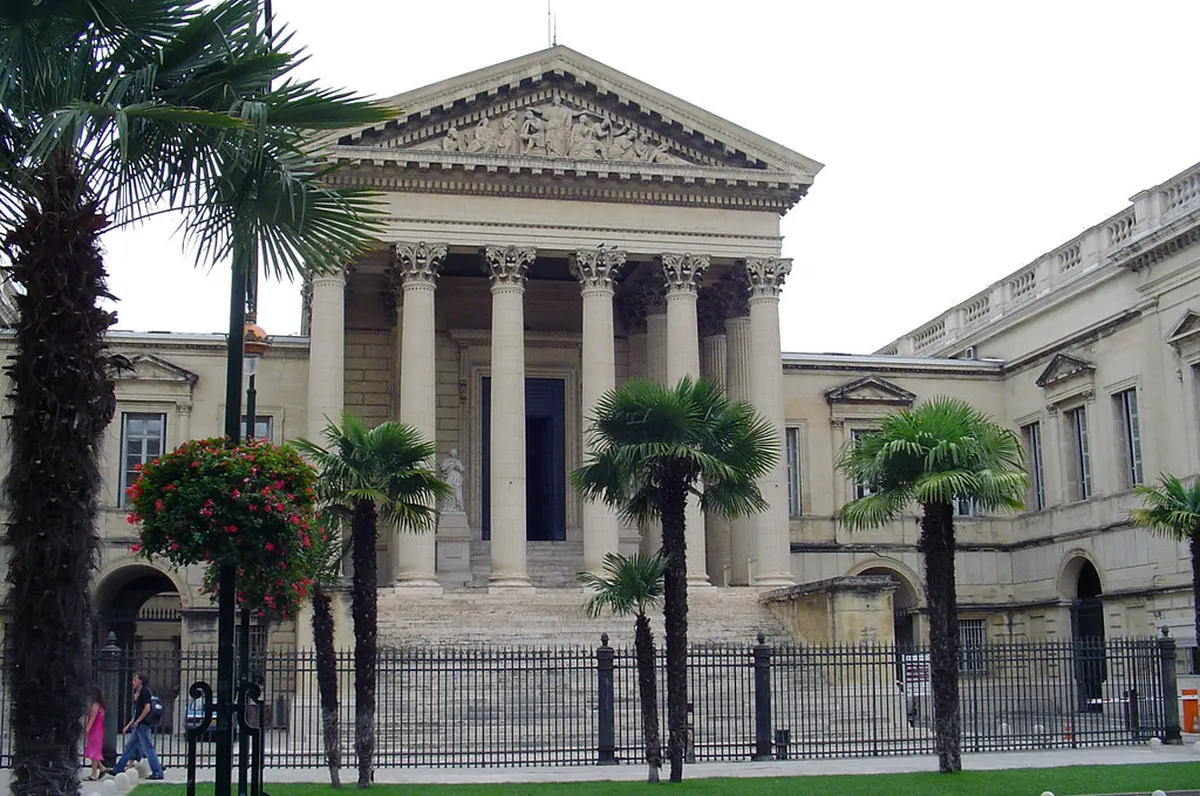
The Palace of Justice Montpellier architecture showcases distinct neoclassical elements. Its imposing facade features classical columns. These columns evoke ancient Greek and Roman temples. They symbolize justice and order.
You will notice symmetrical arrangements throughout the building. This design choice creates a sense of balance. Large windows allow natural light to flood the interiors. Stone carvings and intricate details adorn its exterior.
The grand entrance is particularly striking. It invites contemplation of its purpose. Look for allegorical sculptures depicting justice. These artistic elements enhance the building's overall impact.
Even from the outside, its design impresses viewers. The scale of the building communicates its importance. It truly is a masterpiece of 19th-century public architecture. This grand scale dominates the surrounding area.
Visiting the Palace of Justice in 2025
While it's an active courthouse, you can appreciate its exterior architecture. The Palace of Justice is located at Place de la Cour d'Appel. It sits proudly in the city center of Montpellier.
There are no public tours of the interior usually. However, the exterior views are magnificent. You can walk around its perimeter. Marvel at its detailed stonework and columns.
Visiting is free of charge. You can observe its beauty any time of day. Consider combining your visit with a walk through nearby historical areas. These areas offer further architectural delights.
Access is easy via public transport. The closest tram stop is Place Albert 1er. It is a short walk from there. Plan for about 30-45 minutes to fully appreciate the exterior. Bring your camera for excellent photos in 2025.
Exploring Nearby Architectural Gems
Montpellier's city center is a treasure trove of architecture. After visiting the Palace of Justice, explore the surroundings. The nearby Arc de Triomphe is a must-see landmark. It offers stunning city views.
Just a short stroll away lies the beautiful Promenade du Peyrou. This royal esplanade provides panoramic vistas. You will see the Saint-Clément Aqueduct there. These sites complement the classical style of the Palace.
Wander into the Old Town, or 'Écusson'. Here you will find medieval streets and elegant hôtels particuliers. These private mansions showcase diverse architectural periods. Each building tells its own story. Consider a self-guided Old Town Montpellier architecture walk to discover these hidden gems.
Montpellier perfectly blends old and new. From ancient Roman remnants to modern designs, there's much to see. The city truly is an open-air museum. Allow plenty of time for exploration.
Frequently Asked Questions
Can visitors go inside the Palace of Justice Montpellier?
Generally, public access to the Palace of Justice interior is limited. It functions as an active courthouse. You cannot typically enter for tourist purposes. Most visitors appreciate its stunning exterior architecture. However, sometimes special cultural events or heritage days might offer limited access. Check local listings for 2025 for any unique opportunities.
What architectural style is the Palace of Justice in Montpellier?
The Palace of Justice primarily features a neoclassical architectural style. This style emphasizes symmetry, grandeur, and classical elements. You will see large columns, pediments, and ornate stonework. It reflects the design trends of the 19th century. Its imposing presence symbolizes justice. Discover more about historic structures on a historic Montpellier architecture tour.
Where is the Palace of Justice located in Montpellier?
The Palace of Justice is centrally located in Montpellier. You will find it at Place de la Cour d'Appel. This prominent square is easily accessible. It is near other major city landmarks. Public transportation, like the tram, offers convenient access. The Albert 1er tram stop is very close. It makes planning your visit simple.
The Palace of Justice Montpellier architecture offers a glimpse into history. Its neoclassical design is both grand and inspiring. While interior access is restricted, its exterior captivates all. Make sure to include this architectural gem on your Montpellier itinerary. Explore its grandeur and the surrounding historic beauty in 2025.
Key Takeaways
- Admire the grand neoclassical exterior of the Palace of Justice.
- Understand its historical significance and 19th-century construction.
- Combine your visit with nearby landmarks like the Arc de Triomphe and Promenade du Peyrou.
- No public interior access for tourism; focus on exterior appreciation.
- Easily accessible by public transport in Montpellier's city center.