
Guide to Historic Perpignan Architecture in 2025
Explore stunning historic Perpignan architecture with our 2025 guide. Discover Gothic cathedrals and Catalan palaces today. Plan your perfect French getaway now!
On this page
Perpignan sits beautifully in the south of France near the Spanish border. This city showcases a stunning blend of French and Catalan history. Visitors in 2025 will discover incredible historic Perpignan architecture at every turn. The red brick buildings glow warmly under the bright Mediterranean sun. You can feel the deep medieval heritage while walking through the narrow streets.
The city served as a vital capital for the Kingdom of Majorca long ago. This royal past left a permanent mark on the local building styles. You will see grand fortresses and elegant civic halls throughout the town center. Each structure tells a unique story about the local culture and identity. This guide helps you navigate the best sites for an unforgettable architectural tour.
The Palace of the Kings of Majorca
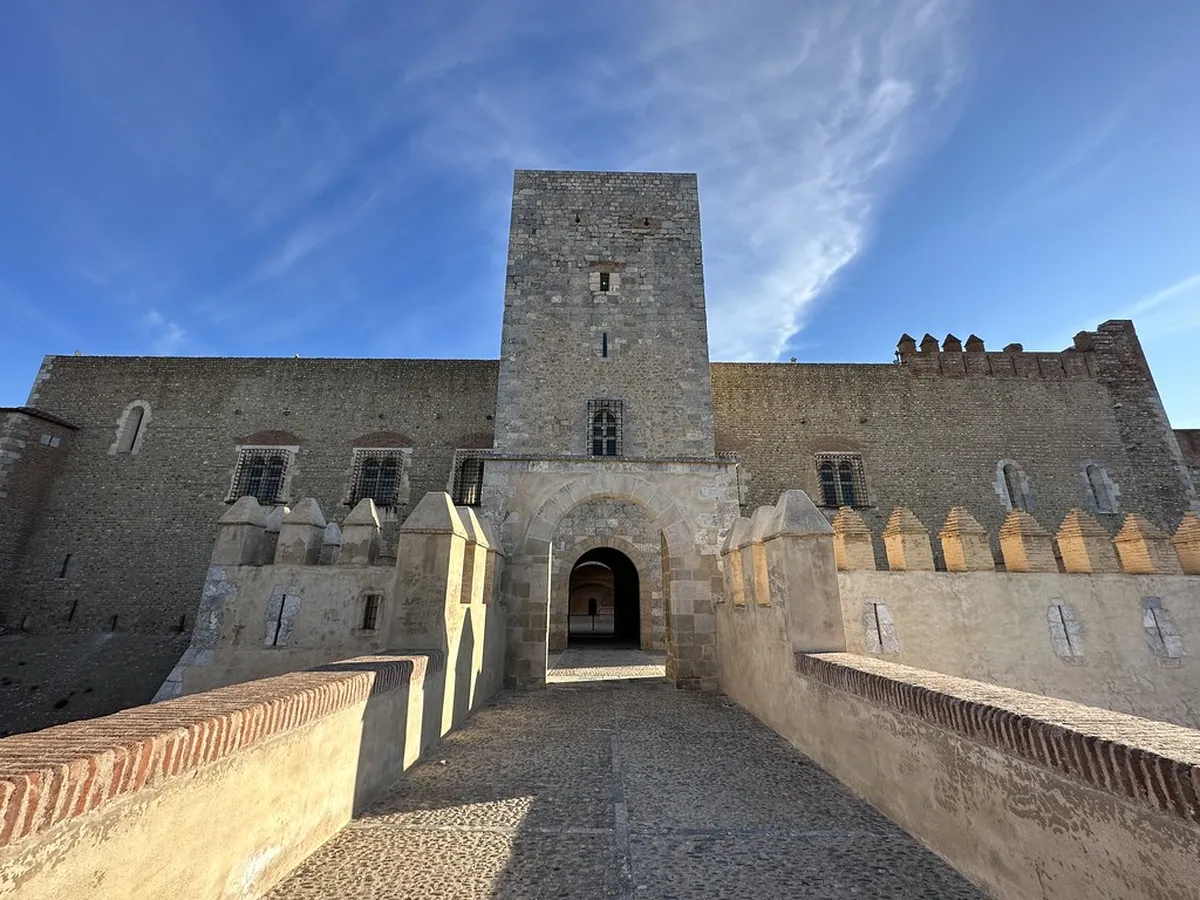
The Palace of the Kings of Majorca is a crown jewel of the city. This fortress dates back to the late thirteenth century. It sits on a high hill overlooking the entire Perpignan valley. The design reflects the wealth of the former Palace of Kings in Perpignan during its peak. You will notice a mix of Romanesque and Gothic architectural elements.
The central courtyard features elegant arches that define the royal aesthetic. High stone walls provided security against invading forces in the Middle Ages. The royal apartments show how kings lived during the Catalan reign. Each room contains intricate details that highlight medieval craftsmanship. You can explore the grand throne room and the private royal chapels.
Visiting this site offers panoramic views of the distant Pyrenees mountains. Entry for adults costs approximately seven Euros in the year 2025. The palace stays open most days from ten in the morning until evening. Wear comfortable shoes because the walk up the ramparts is quite steep. You should allow at least two hours for a full tour.
The gardens surrounding the palace provide a peaceful place for quiet reflection. These green spaces complement the harsh stone lines of the massive fortress. You can see how the architecture integrates with the natural Mediterranean landscape. Local guides often explain the military strategy behind the thick outer walls. It remains a must-see destination for any architecture lover in France.
The Gothic Majesty of Saint John Cathedral
The Cathedral of Saint John the Baptist represents the height of Catalan Gothic style. Construction began in 1324 and took several centuries to fully complete. The wide nave is a hallmark of southern French religious design. This open space creates a feeling of immense scale and spiritual power. You will find several Gothic churches in Perpignan that follow this specific layout.
The exterior features a unique facade made of local river stones and bricks. This texture gives the cathedral a rustic yet grand appearance. Inside, the altarpieces are famous for their detailed wood carvings. Gold leaf accents make the religious art shine even in low light. The stained glass windows cast colorful patterns across the ancient stone floors.
The Campo Santo sits right next to the main cathedral building. It is the oldest and largest cloister cemetery in all of France. Arched galleries surround a central courtyard used for modern cultural events. This space combines solemn history with a vibrant modern purpose today. It is free to enter the main cathedral area for visitors.
Take time to admire the bell tower with its wrought iron cage. This feature is common in the Roussillon region of southern France. It protects the bells while allowing the sound to travel very far. The bells still ring out across the old town every day. This auditory experience connects you to centuries of local tradition.
Le Castillet and the City Gates
Le Castillet is the most iconic symbol of the city of Perpignan. This red brick gatehouse once served as the main city entrance. It was built in the fourteenth century for defense purposes. Later, the structure was used as a prison for many years. Today, it houses a museum dedicated to northern Catalan folk arts.
The architecture is striking because of its vibrant red brick color. This material is known locally as the Cayrou brick. It contrasts sharply with the blue Mediterranean sky in the summer. You can climb to the top for a great view. The narrow spiral stairs provide a fun challenge for active travelers.
The museum inside explains the history of the medieval buildings in Perpignan and its surroundings. You will see traditional costumes and tools from previous centuries. The exhibit helps you understand the daily life of local citizens. Tickets are affordable and usually cost less than five Euros per person. It is a great starting point for your city walk.
Surrounding the gate, you will find lively cafes and busy public plazas. The Place de la Victoire is perfect for people watching. You can admire the gate from a distance while sipping coffee. The atmosphere here is always energetic and full of local life. It bridges the gap between the old and new city.
The Loge de Mer and Civic Power
The Loge de Mer stands as a beautiful example of civil Gothic architecture. It originally functioned as a maritime consulate and a commercial court. The building reflects the historical importance of sea trade to Perpignan. You can see ornate carvings of ships on the exterior walls. These details remind visitors of the city's ancient connection to the sea.
Renaissance influences were added to the building during the sixteenth century. This creates an interesting mix of two very different architectural eras. The delicate stonework around the windows is particularly famous among historians. It shows the transition from medieval strength to artistic refinement. Most visitors find the intricate gargoyles very fascinating and unique.
Today, the building houses a popular cafe and local government offices. You can sit outside and enjoy the view of the Place de la Loge. This square is the heart of the social scene in Perpignan. People gather here to dance the Sardana on warm summer evenings. It is a living piece of historic Perpignan architecture.
Nearby, the Hotel de Ville showcases a classic pebble-work facade. This technique uses smooth stones from the nearby Tet River. It is a traditional building style found only in this region. The bronze statue in the courtyard is by the artist Aristide Maillol. This area is free to visit during normal business hours.
Evolution of Architectural Styles in Perpignan
Perpignan has seen many changes in its long and complex history. Different rulers brought various tastes in art and building design. You can find Romanesque, Gothic, and Baroque elements within the same block. This variety makes a Perpignan architectural styles tour very rewarding for tourists. Every century added a new layer to the urban landscape.
The nineteenth century brought wide boulevards and Haussmann-style apartment buildings. These contrast with the narrow, winding alleys of the medieval core. Large plazas were created to allow for better air and light. You will see grand balconies made of ornate wrought iron. These structures represent the modern growth of the city during that time.
Art Deco also left a mark on several buildings near the outskirts. These designs use geometric shapes and bold lines for a modern look. They show how Perpignan continued to evolve after the industrial revolution. You can spot these gems while walking toward the train station. They add a touch of early twentieth-century glamour to the city.
Preservation efforts in 2025 ensure these buildings stay in good condition. The city invests heavily in restoring the historic red brick facades. You will see many scaffolding projects that protect the ancient stone. This dedication keeps the historic Perpignan architecture alive for future generations. It makes the city a true outdoor museum for visitors.
Modern Art Meets Ancient Walls
Modern Perpignan is not just about the distant medieval past. The city uses its historic walls as a canvas for new art. You will find a fascinating blend of street art and architecture in Perpignan today. Murals often decorate the sides of older residential buildings in the center. These paintings tell stories of modern Catalan life and struggles.
The contrast between spray paint and ancient brick is quite visually striking. Many visitors enjoy hunting for hidden art in the narrow backstreets. Local artists respect the historic integrity of the protected buildings. They often choose locations that need a bit of color and life. This creates a vibrant energy throughout the old neighborhood.
Guided tours now include both historic sites and modern street art stops. You can learn about a 14th-century church and a 21st-century mural. This approach makes history feel more relevant to younger travelers. It shows that the city is still growing and changing today. Architecture and art always go hand in hand here.
The city hosts annual festivals that celebrate this artistic fusion. During these events, new installations appear in historic public squares. You might see a light show projected onto the Cathedral walls. These moments create a magical experience for everyone in the city. Perpignan truly embraces both its heritage and its future.
Frequently Asked Questions
What is the best way to see historic Perpignan architecture?
The best way to see the architecture is on foot. Most major sites are located within the compact city center. You can follow a Perpignan architectural heritage tour for the best experience. Walking allows you to notice the small details on the buildings.
Are the historic sites in Perpignan expensive to visit?
Many of the most beautiful sites are actually free to see. You can visit the Cathedral and the outside of Le Castillet for free. Some museums and the Royal Palace require a small entry fee. Expect to pay between five and eight Euros for these locations.
When is the best time to visit Perpignan for architecture?
Spring and fall are the best times to visit for pleasant weather. The summer can be very hot for walking long distances outside. Winter is mild but some sites have shorter opening hours then. May and September offer the best light for taking architectural photos.
Perpignan is a treasure trove of Mediterranean history and design. From the Palace of Kings to Le Castillet, the city offers endless beauty. You will love the unique blend of Catalan and French building styles. Make sure to visit in 2025 to see the beautifully restored facades. Start planning your trip to see the historic Perpignan architecture today for an amazing adventure.
Key Takeaways
- Visit the Palace of the Kings of Majorca for the best city views.
- Look for the unique red Cayrou bricks used in local buildings.
- Explore the Saint John Cathedral to see stunning Catalan Gothic style.
- Wear comfortable walking shoes for the narrow and steep medieval streets.