
Gothic churches Perpignan France: A 2025 Visitor Guide
Explore the best Gothic churches Perpignan France has to offer. Discover historic architecture, Catalan history, and essential travel tips for your 2025 visit.
On this page
Perpignan is a city where history and culture blend perfectly in the heart of the beautiful Occitanie region. Many travelers come here to explore the magnificent Gothic churches Perpignan France offers to every curious modern-day visitor. These historic sites showcase the unique religious heritage and the deep Catalan roots of this vibrant southern French city. You can start your journey by exploring the famous Gothic churches in Perpignan that still stand proudly today.
The city served as the capital of the Kingdom of Majorca during the busy and prosperous thirteenth century era. This period of wealth led to the construction of many grand monuments that define the local city skyline now. Red bricks and local stones create a distinct look that separates these buildings from northern French Gothic architectural styles. Visitors in 2025 will find that these religious sites remain the emotional and historic heart of the community.
Walking through the narrow streets of the old town reveals hidden gems and massive cathedrals around every cobblestone corner. Each building tells a unique story of faith, power, and the blending of different Mediterranean cultural traditions over time. You should prepare your camera for stunning views of intricate stone carvings and massive stained glass windows during your tour. This guide will help you navigate the most important spiritual and architectural landmarks located within this ancient French city.
The Grandeur of Saint-Jean-Baptiste Cathedral
The Saint-Jean-Baptiste Cathedral is the most iconic example of the Gothic churches Perpignan France preserves for future generations today. Construction on this massive structure began in 1324 under the direction of the powerful King Sancho of Majorca. It represents the Southern Gothic style which features a single wide nave instead of the traditional three-aisle layout. This design creates a vast open space that allows every visitor to feel the true scale of the building.
The exterior of the cathedral is famous for its use of river stones and rows of traditional red bricks. This specific building technique is a hallmark of the visiting Saint Jean Perpignan Cathedral experience for most tourists. The bell tower stands tall above the city and houses a historic carillon that still rings out across the square. You will notice that the facade looks somewhat humble compared to the incredible artistic treasures found waiting inside.
Inside the cathedral you will find the magnificent reredos of the high altar which was carved during the sixteenth century. This golden masterpiece depicts scenes from the life of Saint John the Baptist in very fine and intricate detail. The side chapels also contain beautiful artworks and sculptures that reflect the deep religious devotion of the local people. Large windows allow natural light to filter through the space and highlight the warm colors of the ancient stones.
One of the most moving parts of the cathedral is the Devout Christ which dates back to the fourteenth century. This wooden sculpture is famous for its intense emotional expression and is a key part of local religious traditions. Many pilgrims visit this specific chapel to pray and reflect on the history of the Catholic faith in Perpignan. The atmosphere inside the cathedral remains peaceful and solemn despite the many tourists who visit throughout the busy year.
Admission to the cathedral is generally free but you should check the local schedule for mass times before visiting. It is located in the Place Gambetta which is a central spot that is easy to find on foot. Wear comfortable shoes as you will want to spend at least an hour exploring every corner of this site. The cathedral serves as the perfect starting point for any architectural walking tour through the historic center of town.
The Unique Beauty of the Campo Santo
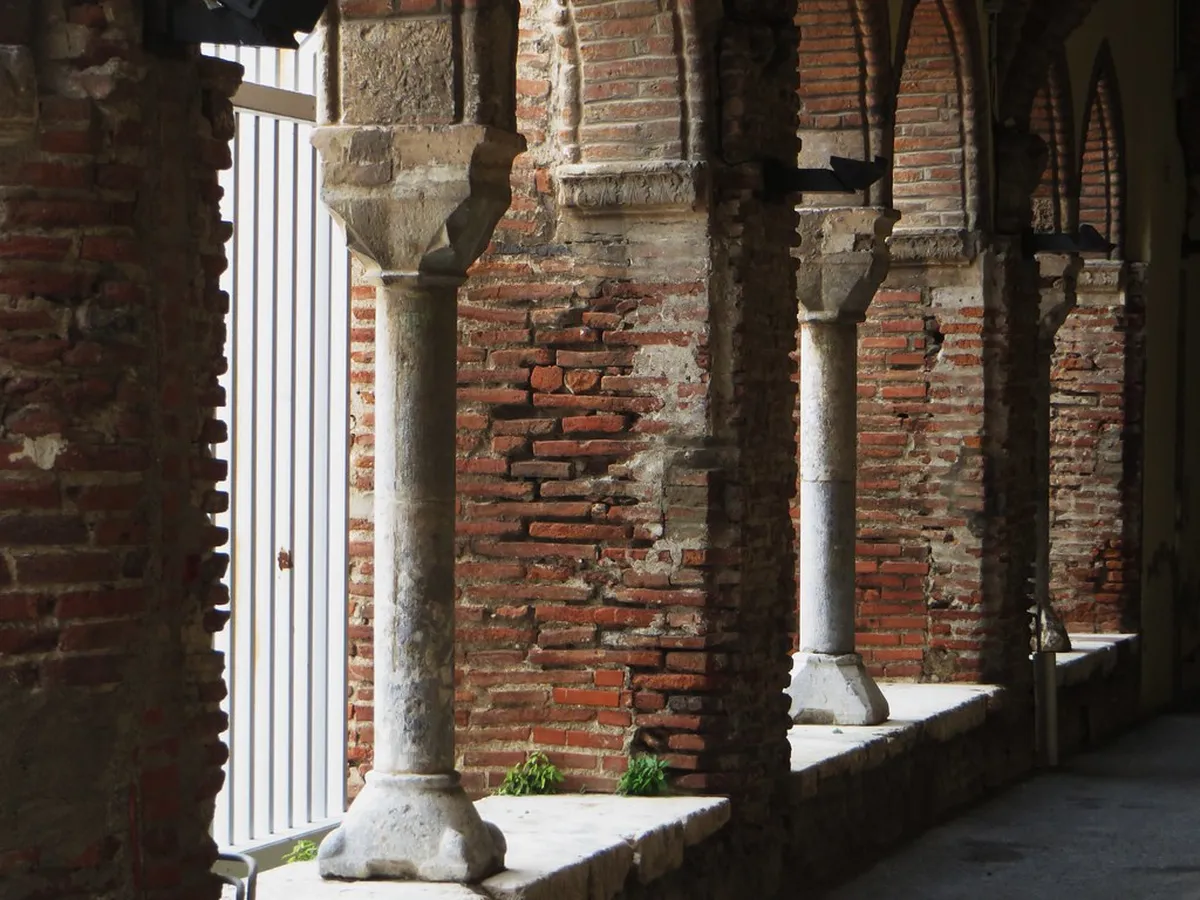
Located right next to the cathedral you will find the Campo Santo which is a very rare funeral cloister. This site is one of the oldest and largest medieval cemeteries of its kind still existing in modern France. It features four long galleries with elegant pointed arches that surround a large open central courtyard for quiet reflection. The architecture here shows the transition between the Romanesque style and the emerging Gothic trends of the late Middle Ages.
The walls are lined with funerary alcoves where the wealthy families of Perpignan once buried their loved ones long ago. You can still see the family coats of arms carved into the white marble plaques that decorate these stone niches. This site provides a fascinating look into the social history and the funerary customs of the medieval Catalan elite classes. It is a quiet place that offers a sharp contrast to the busy streets of the modern city outside.
In 2025 the Campo Santo often serves as a unique venue for cultural events and summer music festivals in town. The acoustics within the stone galleries create a wonderful sound environment for classical concerts and local theater performances today. Visiting during an event allows you to experience the historic space in a way that feels both modern and ancient. Always check the local tourism office for a schedule of activities planned during your specific travel dates this year.
The preservation of the Campo Santo is a priority for the city as it represents a vital piece of heritage. Recent restoration projects have ensured that the delicate stone carvings and the structural integrity of the arches remain safe. It is a great place for photographers who want to capture the play of light and shadow on old stones. The symmetry of the cloister provides endless opportunities for beautiful and meaningful images of the historic heart of Perpignan.
Entry to the Campo Santo is typically included when you explore the cathedral area during the daytime opening hours. It is an essential stop for anyone interested in the Gothic churches Perpignan France has kept so well preserved. Take a moment to sit on the stone benches and imagine the processions that once moved through these quiet aisles. The history of the city feels very close when you stand within the walls of this ancient sacred space.
The Historic Church of Saint-Jacques
The Church of Saint-Jacques is another vital landmark when discussing the Gothic churches Perpignan France offers to modern travelers. It was built in the thirteenth century and is located in the historic and colorful Saint-Jacques neighborhood of the city. This church is particularly famous for its association with the Confrerie de la Sanch which is a local religious group. This group has maintained ancient traditions that date back to the Middle Ages and remain very active today.
The architecture of the church features a single nave and beautiful side chapels that are filled with historic religious art. You can see the influence of the Southern Gothic style in the broad proportions and the simple but strong lines. The Perpignan church architectural details explained in local guides often highlight the unique altar pieces found here. Each element of the design was intended to inspire awe and devotion in the hearts of the local congregation.
Every year on Good Friday the church becomes the focal point of the famous and dramatic Procession of the Sanch. Participants wear long robes and pointed hoods while they carry heavy religious statues through the narrow streets of the town. This event draws thousands of visitors who want to witness one of the most unique cultural traditions in France. If you visit in 2025 during the spring you should definitely try to see this powerful and moving ceremony.
The garden surrounding the church provides a peaceful escape from the urban environment and offers great views of the building. It is a popular spot for locals to gather and enjoy the warm Mediterranean sun during the pleasant afternoon hours. The church itself feels more intimate and local than the grand cathedral but it is no less historically significant. It represents the spiritual life of the working people who have lived in this neighborhood for many long centuries.
Walking to Saint-Jacques from the city center takes about ten minutes and leads you through some very interesting streets. You will pass by small shops and local cafes that offer a taste of authentic Catalan life in southern France. The church is often open to the public but it is best to visit in the morning hours. Be sure to respect the quiet nature of the space as it remains an active place of daily worship.
Church of Our Lady of the Angels
The Church of Our Lady of the Angels is a hidden gem that many visitors might overlook during their trip. This building was originally part of a Franciscan monastery that was established in the city during the thirteenth century era. It showcases the simple and austere style that was favored by the mendicant orders of the medieval Catholic church. The focus here is on clean lines and a sense of humble spiritual devotion rather than grand and flashy decoration.
Inside you will find a serene atmosphere that is perfect for quiet meditation away from the busy tourist crowds nearby. The wooden ceiling and the stone walls create a warm and inviting environment that feels very different from the cathedral. You can explore the history of Perpignan religious buildings by studying the timeline of this specific church. It has survived many wars and social changes while remaining a symbol of peace and faith for the community.
The location of the church is near the old city walls which adds to its historic and ancient charm today. You can see how the religious buildings were integrated into the defensive structure of the medieval town for safety. This proximity to the walls gives the site a unique character that is very popular with history buffs and students. It is a great place to learn about the daily lives of the monks who once lived and worked here.
In recent years the church has hosted various art exhibitions that blend contemporary creativity with the ancient stone surroundings perfectly. These events show how Perpignan uses its historic spaces to support the modern arts and the local creative community. You might find a photography show or a sculpture display inside the church during your visit in early 2025. It is this mix of the old and the new that makes the city so special for travelers.
Finding this church requires a little bit of navigation through the side streets but the effort is certainly worth it. It is usually open during the day and there is no fee to enter the main sanctuary of the building. Take the time to look at the small details in the stonework and the simple beauty of the altar. It is a reminder that the Gothic churches Perpignan France contains come in many different and interesting forms.
Exploring Catalan Gothic Architectural Details
To truly appreciate the Gothic churches Perpignan France houses you must understand the specific details of the Catalan Gothic style. Unlike the tall and thin cathedrals of northern France these buildings are often shorter and much wider in their design. They feature massive buttresses that are sometimes hidden within the walls to create more space for the side chapels inside. This architectural choice results in a powerful and solid appearance that reflects the local Mediterranean climate and the culture.
The use of the cayrou which is a traditional large red brick is the most visible feature of these structures. These bricks are often laid in beautiful patterns along with white stones or smooth river pebbles from the nearby Tech. This creates a colorful and textured surface that is very different from the grey limestone used in cities like Paris. You can learn more about these techniques by reading about historic Perpignan architecture in modern textbooks. The local builders were masters at using the materials they had available in the surrounding Roussillon plain.
Stained glass in these churches is often designed to handle the intense and bright sunlight of the southern French region. The windows are usually smaller than those in the north but they feature deep and very vibrant colors that glow. When the sun hits the glass it fills the church interior with shades of red blue and golden yellow light. This creates a mystical and holy atmosphere that has inspired visitors and local worshippers for over seven hundred years.
Wrought iron work is another common detail that you will find decorating the doors and the many side chapels here. Catalan blacksmiths were famous for their skill and they created intricate designs that are still in excellent condition today. Look for the elaborate hinges on the massive wooden doors of the cathedral and the smaller neighborhood churches too. These small details add a layer of craftsmanship and beauty to the large and imposing stone religious structures.
Understanding these details will make your walking tour much more rewarding as you spot these features across the city center. You can compare the different buildings to see how the Gothic style evolved over the centuries in this region. Many of these elements are also explained in the Perpignan architectural styles explained guides found at the local visitor center. Taking the time to look closely at the stones will reveal the true soul of the city.
Planning Your 2025 Visit to Perpignan
When planning your trip to see the Gothic churches Perpignan France offers you should consider the timing of your visit. The weather in southern France is best during the spring and the early fall months of the year. During these times the temperatures are mild and the light is perfect for seeing the architecture and taking photos. Summer can be very hot so you should plan to visit the churches during the cooler morning hours.
Most of the religious sites are located within easy walking distance of each other in the historic city center area. You can start your day at the cathedral and then walk to the nearby Campo Santo and Saint-Jacques. It is helpful to use a map or a guide to make sure you do not miss any sites. You might also want to visit the Palace of Kings Perpignan which is another major Gothic landmark in the city. This royal palace offers a different perspective on the power and the history of the Majorcan kingdom.
Be aware that many churches and smaller museums in France close for a few hours during the midday lunch break. This usually happens between twelve and two in the afternoon so plan your meals accordingly during your trip. Use this time to enjoy a traditional Catalan lunch at one of the many cafes in the city squares. Trying the local food is a great way to experience the culture alongside your architectural and historic explorations.
If you want a more guided experience there are several walking tours available that focus on the religious history here. These tours often provide access to areas that might be closed to the general public or hard to find. Expert guides can share stories and legends that you will not find in the standard travel brochures or maps. It is a great way to meet other travelers and learn from a local expert who loves their city.
Finally remember to bring a small amount of cash if you wish to light a candle in the churches. This is a common tradition and the small donations help with the upkeep of these beautiful and ancient buildings. Always check the official city website for any updates on restoration work or special holiday opening hours in 2025. Your visit to these Gothic churches will be a highlight of your time in the beautiful south of France.
Frequently Asked Questions
What is the most famous Gothic church in Perpignan?
The Saint-Jean-Baptiste Cathedral is the most famous religious building in the city today. It is a stunning example of the Southern Gothic style with a massive single nave and golden reredos. You can see its tall bell tower from almost anywhere in the historic center of the town.
Are the Gothic churches in Perpignan free to enter?
Most of the major Gothic churches Perpignan France offers are free for the public to enter and explore. This includes the main cathedral and the Church of Saint-Jacques during their normal daily opening hours. Small donations are always welcome to help maintain these historic sites for future generations of visitors.
When is the best time to visit these churches?
The best time to visit is during the spring or fall when the Mediterranean weather is very pleasant. Morning hours are ideal because the churches are quiet and the light through the stained glass is beautiful. You can find more details in the famous Gothic churches in Perpignan guides online.
Is Perpignan architecture different from other French cities?
Yes Perpignan architecture features a unique blend of French and Catalan styles known as Southern Gothic. The use of red bricks and river stones makes it look very different from northern French stone cathedrals. This style reflects the city's history as a former capital of the Kingdom of Majorca during the Middle Ages.
Exploring the Gothic churches Perpignan France offers is a journey through time and the deep Catalan history of the region. From the grand cathedral to the quiet cloisters these sites provide a unique look at medieval art and architecture. Plan your visit for 2025 to experience these spiritual landmarks and the vibrant culture of this sunny southern city. Start your adventure today by booking a tour of the historic center and its many ancient stone wonders.
Key Takeaways
- Visit the Saint-Jean-Baptiste Cathedral to see the peak of Southern Gothic design and the Devout Christ.
- Explore the Campo Santo to see one of the oldest medieval funeral cloisters remaining in France today.
- Time your visit for the Procession of the Sanch if you want to see ancient religious traditions in action.
Related reads: streetartly.com, street art and architecture in perpignan.