
Perpignan Architectural Styles Explained: A 2025 Guide
Learn about Perpignan architectural styles explained in this 2025 guide. Discover Gothic, Art Deco, and Catalan designs in France. Plan your historic tour today!
On this page
Perpignan is a vibrant city located in the heart of Southern France. The city sits nestled between the scenic Pyrenees mountains and the blue Mediterranean Sea. It showcases a unique mix of French and Catalan culture through its diverse buildings. In this 2025 guide, we provide Perpignan architectural styles explained for history lovers.
History shapes every corner of this beautiful and historic Mediterranean city. You will find red brick walls and elegant white marble facades everywhere. The winding streets tell stories of kings, famous artists, and local French legends. Exploring these designs helps you understand the deep soul of this border region.
Romanesque Roots and Early Medieval Design
Perpignan began as a small settlement near the banks of the Têt River. The early builders used local materials like river stones and red bricks. You can still find fragments of these ancient walls in the city today. These structures represent the strong Romanesque architectural features found across the region.
One prime example is the historic church of Saint-Jean-le-Vieux. It features heavy stone walls and small, rounded windows with stone arches. The design focused on durability and providing a space for simple religious devotion. Many visitors appreciate the quiet and cool atmosphere inside these ancient stone walls.
Look closely for the intricate white marble carvings on the exterior walls. These decorative pieces highlight the high level of craftsmanship in the 11th century. Most Romanesque sites are free to view from the narrow streets nearby. They offer a rare glimpse into the medieval past of this French city.
The layout of the old town follows these early medieval paths. Narrow streets were designed to keep the summer heat away from homes. You will notice how the stones feel cool even during a hot July. This functional design remains a vital part of the city's lasting charm.
The Southern Gothic Beauty of Saint-Jean-Baptiste
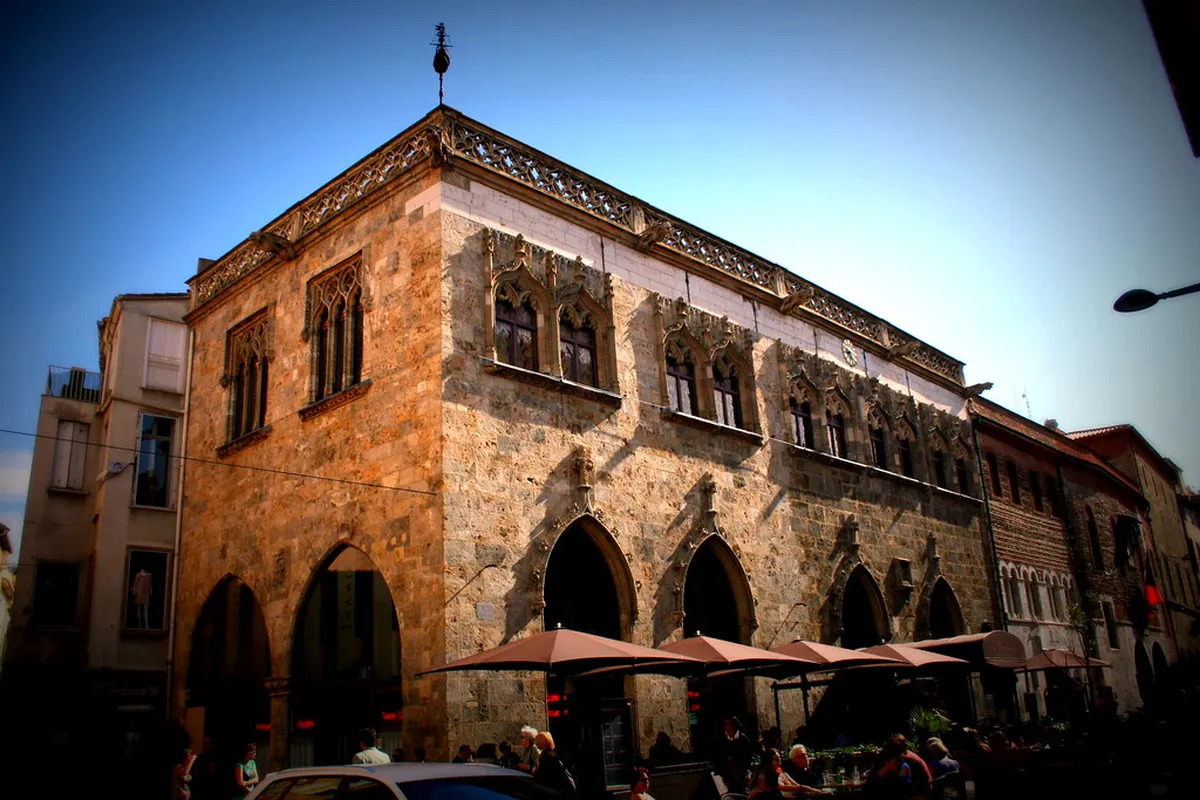
The Gothic style arrived in Perpignan during the late 13th century. This style is famous for its tall windows and sharp, pointed arches. The Cathedral of Saint-Jean-Baptiste is the finest example of Gothic churches in Perpignan. Its massive nave creates a sense of awe for all who enter.
The exterior uses the local red brick known as cayrou in French. This material gives the building a warm and very distinct Southern look. Inside, you will see stunning stained glass that dates back many centuries. The light filters through the glass to create colorful patterns on the floor.
The cathedral took several hundred years to complete in its full form. Builders worked on the structure from the 14th to the 16th centuries. You can see how the Gothic style evolved during this long construction. It remains a central landmark for the local community and visitors alike.
Visiting the cathedral is free for most people during the daytime hours. It is usually open from 10 am to 12 pm and 2 pm to 6 pm. Please remember to dress respectfully when entering this active place of worship. The surrounding square is perfect for a coffee after your historic tour.
The Palace of the Kings of Majorca
The Palace of the Kings of Majorca dominates the city skyline. This massive fortress was built in the late 13th century for royalty. It blends military defense features with the luxury of a royal court residence. The palace sits on a high hill overlooking the entire Roussillon plain.
The architecture features a mix of Gothic and early Mediterranean palace designs. You will see beautiful courtyards with arcades and elegant marble columns. The royal chapels inside the palace are masterpieces of medieval stone art. They showcase the wealth and power of the Majorcan kings at that time.
The thick outer walls were designed to withstand long and difficult sieges. Today, these walls provide incredible views of the city and the mountains. You can walk along the ramparts to see the strategic layout of Perpignan. It is a favorite spot for photographers during the golden hour sunset.
Admission to the palace costs roughly seven euros for an adult ticket. It is open daily from 10 am until 5 pm in 2025. Allow at least two hours to explore the rooms and garden areas. The walk up the hill is steep but the views are worth it.
Perpignan Architectural Styles Explained: Art Deco Trends
In the early 20th century, Perpignan expanded beyond its old city walls. This growth brought the elegant and geometric Art Deco buildings in Perpignan to life. Architects used concrete and steel to create modern and decorative structures. You can find these gems along the Jean-Jaurès and Wilson boulevards.
Look for buildings with rounded corners and stylized floral motifs on facades. The Cinema Castillet is a famous example of this vibrant modern style. It features bold lines and a facade that reflects the glamour of the 1920s. These buildings represent a time of great economic growth for the city.
In 2025, many of these Art Deco treasures are being carefully restored. The city wants to preserve its 20th-century heritage for future local generations. You will see bright colors and clean lines that stand out today. They provide a sharp contrast to the darker medieval stones nearby.
Walking through the Art Deco district feels like visiting a different era. Many of these buildings now house trendy cafes and local boutique shops. It is the perfect area for a leisurely afternoon stroll in Perpignan. Take time to look up at the balconies and rooflines.
Modernity and Catalan Identity in the 21st Century
Contemporary Perpignan continues to evolve while honoring its deep Catalan roots. Architects today focus on sustainability and creating open public spaces for all. You can see this in the building history and design of newer districts. Glass and light are used to connect interiors with the sunny climate.
The Théâtre de l'Archipel is a striking piece of modern urban architecture. Designed by Jean Nouvel, it looks like a collection of giant river stones. This bold design sparked many conversations about the future of the city. It serves as a major cultural hub for music and performance.
Public squares have also seen significant renovations to improve the city flow. Use of local red brick continues to link modern sites with history. This creates a sense of visual continuity across the different city eras. The city feels both ancient and very modern at the same time.
In 2025, urban planners are adding more green spaces to the city center. Trees and fountains help cool the urban air during the hot summers. These modern additions make the architectural tour much more pleasant for everyone. You will find many spots to sit and admire the view.
Practical Tips for Your Architectural Walking Tour
The best way to see historic Perpignan architecture is on foot. Most of the key sites are located within the compact city center. Wear comfortable shoes as some of the medieval streets are quite uneven. Start your journey at the Castillet, the iconic old city gate.
Pick up a map at the tourism office near the main square. They offer guided tours that explain the history of the major buildings. These tours are often available in English, French, and Catalan languages. Prices for guided walks are usually around ten to fifteen euros.
- Morning: Visit the Cathedral and the Romanesque churches when it is cool.
- Lunch: Enjoy a meal in a historic square like Place de la Loge.
- Afternoon: Explore the Palace of the Kings of Majorca for the best views.
- Evening: Walk through the Art Deco district as the streetlights turn on.
Public transport is also available if you prefer not to walk much. The city buses are frequent and connect the main train station easily. Tickets are affordable and can be bought directly from the bus drivers. This is a great way to reach the outlying districts quickly.
Frequently Asked Questions
What is the most famous building in Perpignan?
The Castillet is the most famous landmark in the city of Perpignan. It served as a city gate and a prison in the past. Today, it houses a museum about local Catalan history and culture.
Are the historic sites in Perpignan expensive to visit?
Many sites like the Cathedral and Romanesque churches are free to visit. The Palace of the Kings of Majorca charges a small entry fee. Overall, exploring the architecture is very affordable for most travelers.
Can I see street art alongside the historic architecture?
Yes, Perpignan has a growing scene of murals and urban creative projects. You can follow a Perpignan street art guide to find hidden gems. This creates a wonderful mix of old and new art styles.
Is Perpignan safe for walking tours in 2025?
Perpignan is generally safe for tourists during the day and early evening. Always stay aware of your surroundings in crowded or very quiet areas. The city center is well-lit and busy with locals and visitors.
Perpignan offers a rich tapestry of architectural styles for every traveler to enjoy. From Romanesque stones to Art Deco lines, the city tells a fascinating story. Plan your visit in 2025 to experience this unique blend of French and Catalan culture. We hope this guide helps you appreciate the beauty of Perpignan on your next trip!
Key Takeaways
- Perpignan features a unique blend of Romanesque, Gothic, and Art Deco styles.
- The Palace of the Kings of Majorca offers the best panoramic city views.
- Most historic religious sites are free to enter for the general public.
- The city is easily explored on foot due to its compact center.