
Romanesque Architecture Features Perpignan: 2025 Guide
Discover the best Romanesque architecture features Perpignan has to offer. Learn about historic arches and stone carvings in this 2025 expert guide.
On this page
Romanesque architecture features Perpignan as a hub for medieval history. This style flourished in France between the 10th and 12th centuries. Stone structures with thick walls define this historic era in the city. Many buildings in Perpignan still showcase these ancient roots today. You can see these unique designs while walking through the old town. This guide explores the best examples of this architectural style in 2025.
Defining Romanesque Architecture Features in Perpignan
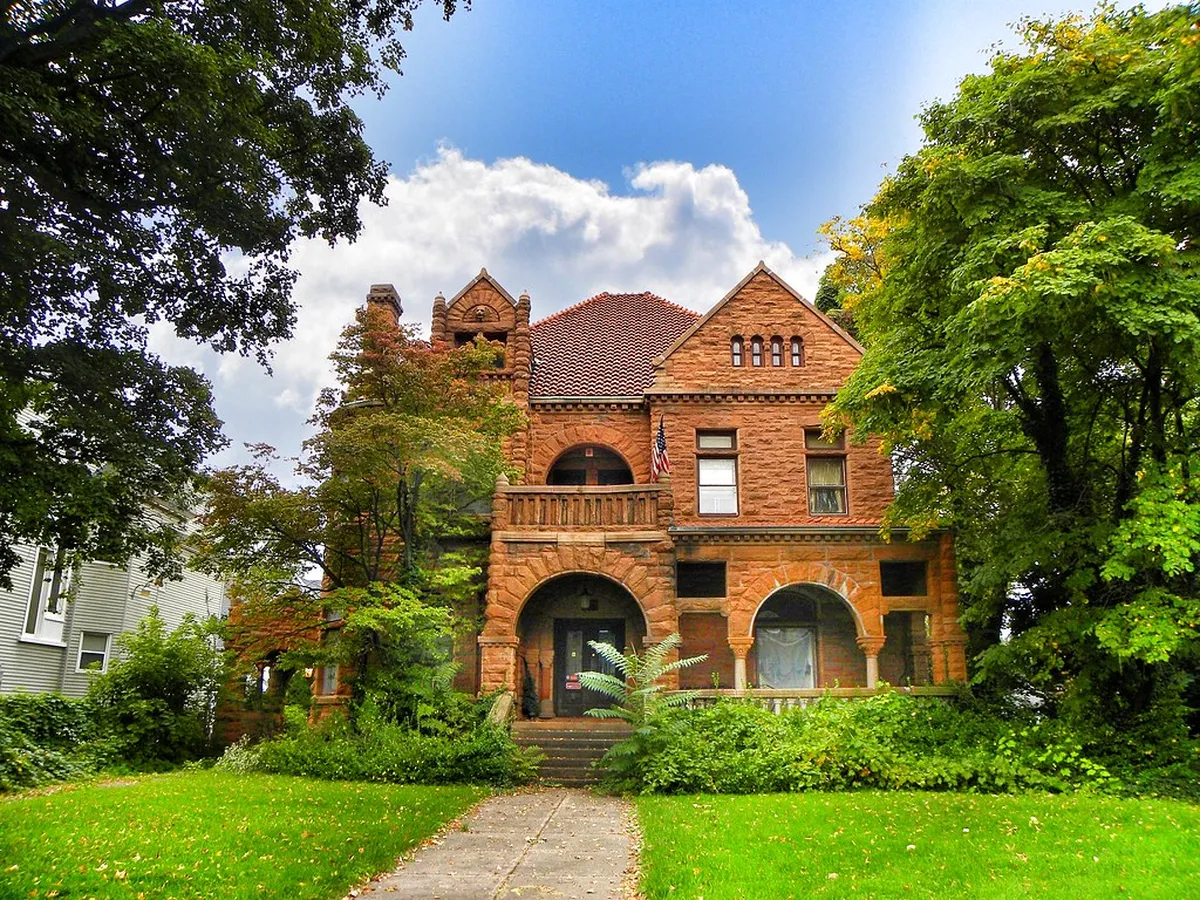
You will notice rounded arches throughout the city's older quarters. These arches support heavy stone roofs without modern steel. Thick walls provide stability for the massive medieval structures. Small windows were common to keep the interiors cool and dark. These elements helped the buildings survive for many centuries.
The use of barrel vaults is another key characteristic found here. These vaults create a sense of strength and permanence in churches. Designers often used local stone to build these impressive ceiling structures. You can find excellent examples of these Perpignan architectural styles explained in local landmarks. Every stone was carefully placed by hand by skilled medieval craftsmen.
Decorative capitals on stone columns show intricate regional artistry. These carvings often depict biblical scenes or geometric patterns. Artists used local marble and limestone for these detailed works. These carvings often decorate the capitals of large stone columns. Look closely at the pillars to see the ancient chisel marks.
Symmetry plays a vital role in Romanesque architecture features Perpignan exhibits. Buildings often follow a clear cross-shaped layout for religious purposes. This design allowed for large crowds to gather for services. It also provided structural balance to the heavy stone roofs. You can see this symmetry in many historic chapels today.
Famous Sites Showing Romanesque Style in Perpignan
The Cathedral of Saint John contains early Romanesque elements. Its foundations date back to the 14th century but include older stones. You can see the shift from Romanesque to Gothic here. This site is a must-visit for any history lover in 2025. It represents the historic Perpignan architecture perfectly.
Small chapels tucked in side streets offer authentic Romanesque glimpses. These smaller buildings often retain their original narrow window slits. They served as places of worship for local neighborhood residents. Many of these sites are open to the public for free. You will feel the history as you step inside the cool interior.
The nearby Priory of Serrabone is a masterpiece of this style. It sits just a short drive from the city center. The pink marble columns are famous across the entire region. Visitors can enjoy stunning views of the surrounding mountains from here. It is one of the best regional examples of medieval design.
Check the visitor hours before you plan your walking tour. Most sites are open from 10:00 AM until 6:00 PM daily. Guided tours often cost around 10 to 15 Euros per person. Booking in advance is recommended during the busy summer months. Local guides offer deep insights into the building techniques used.
The Influence of Regional Stone and Materials
Builders in Perpignan relied heavily on local river stones and marble. This choice of materials gave the buildings a distinct local color. The red and white stones reflect the unique geology of France. These materials were durable enough to last for a thousand years. You can still see the natural textures in the exterior walls.
Marble from the nearby Pyrenees mountains was used for decorative pieces. This high-quality stone allowed for very fine artistic carvings. It added a touch of elegance to the sturdy Romanesque structures. You will notice the smooth finish on many ancient column bases. This marble remains a symbol of regional pride today.
Wood was used sparingly due to the risk of fire. Most roofs were constructed from heavy stone tiles or slate. This ensured that the buildings would remain safe for the community. The weight of these roofs required the famous thick Romanesque walls. This engineering feat is still impressive to modern architects.
Understanding these materials is vital for identifying medieval structures in Perpignan during your trip. Each stone tells a story of the laborers who moved it. The colors change beautifully as the sun sets over the city. It creates a magical atmosphere for evening photography enthusiasts.
How Romanesque Shaped Perpignan's Urban Identity
The layout of the old city follows Romanesque defensive needs. Narrow streets helped residents protect the city from ancient invaders. Buildings were clustered together to create a strong community wall. This urban planning is still visible in the city's modern map. Walking these streets feels like stepping back into the middle ages.
Romanesque architecture features Perpignan by blending utility with spiritual beauty. The buildings were designed to be both fortresses and sanctuaries. This dual purpose reflects the turbulent history of the border region. You can see defensive slits alongside beautiful rounded arches. It is a unique combination rarely found in other cities.
Modern renovations in 2025 aim to preserve these historic features. Local laws protect the original stone facades from modern changes. This ensures that future generations can enjoy the medieval beauty. You will find that many new buildings respect these ancient proportions. It keeps the city's visual history alive and well.
You can learn more about this by studying Perpignan building history and design today. Local museums offer exhibits on the tools used by medieval masons. Seeing the original blueprints helps you appreciate the hard work. The city remains a living museum of architectural evolution.
Practical Tips for Visiting Romanesque Sites
Wear comfortable walking shoes when exploring the historic district. Many streets are paved with uneven cobblestones from centuries ago. You will likely walk several miles during a full day tour. Staying hydrated is important during the warm summer months in France. Most churches offer a cool refuge from the midday sun.
- Bring a camera with a good low-light lens for interiors.
- Visit early in the morning to avoid the largest crowds.
- Check for local religious holidays that might close certain sites.
- Respect the quiet atmosphere of active places of worship.
Most major Romanesque sites are within walking distance of each other. The city center is compact and very easy to navigate. You can find helpful maps at the local tourism office. They also offer digital guides for your smartphone or tablet. These tools make finding hidden architectural gems much easier.
The best time to visit Perpignan is during the spring. The weather is mild and perfect for long outdoor walks. You will find that the light is ideal for architectural photography. Prices for accommodation are also more affordable during the shoulder season. Plan your 2025 trip to experience this history firsthand.
Frequently Asked Questions
What are the main Romanesque architecture features Perpignan displays?
The main features include rounded arches and thick stone walls. You will also see small windows and barrel-vaulted ceilings. Decorative stone carvings often appear on the column capitals. These elements create a sturdy and historic appearance.
Is Romanesque architecture different from Gothic style?
Yes, Romanesque uses rounded arches while Gothic uses pointed ones. Romanesque buildings have thicker walls and much smaller windows. Gothic structures are usually taller and feature large stained glass. Both styles are present in the historic center of Perpignan.
Are there entrance fees for Romanesque churches in Perpignan?
Many historic churches are free to enter for general visitors. Some larger sites or museums may charge a small fee. Expect to pay between 5 and 10 Euros for special exhibitions. Always check the official website for 2025 pricing updates.
Can I take photos inside Romanesque buildings?
Most sites allow photography without the use of a flash. Some religious locations may restrict photos during active church services. Always look for posted signs regarding camera use inside. Respect the privacy of those who are visiting for prayer.
Perpignan offers a stunning look at medieval European history through its architecture. From rounded arches to marble carvings, the city is a treasure. Plan your visit in 2025 to see these Romanesque architecture features Perpignan preserves. Book your local tour today to explore these historic stone wonders in person.
Key Takeaways
- Look for rounded arches and thick walls in the old town.
- Visit the Cathedral of Saint John for early medieval elements.
- Explore regional marble carvings at the nearby Serrabone Priory.
- Spring is the best time for architectural photography in France.
Related reads: streetartly.com.