
Identifying Medieval Structures in Perpignan
Learn expert tips for identifying medieval structures in Perpignan. Discover Gothic sites and 2025 travel advice for exploring historic France today!
On this page
Perpignan is a historic city located in the sunny south of France. It served as the capital of the Kingdom of Majorca during the middle ages. You can still see many grand buildings from this fascinating period today. This guide focuses on identifying medieval structures in Perpignan during your 2025 visit. Knowing what to look for will make your walking tour much more rewarding.
The city has a complex history with both French and Spanish influences. You will notice these cultures blending in the local stonework and design. Many travelers miss these details because they do not know the local history. Our guide helps you understand the Perpignan architectural styles explained in simple terms. Start your journey by looking at the oldest parts of the city center.
Spotting Cayrou Bricks and Catalan Masonry
Identifying medieval structures in Perpignan often starts with looking at building materials. The most common material used in the old town is the red cayrou brick. These bricks are thin and very durable against the coastal weather. You will see them used in walls, arches, and decorative trim. They provide a warm red glow to the streets at sunset.
Catalan masonry often mixes these bricks with large stones from nearby rivers. This technique created strong walls that could withstand attacks and natural erosion. Look for patterns where bricks and stones alternate in horizontal layers. This was a popular construction method during the 13th and 14th centuries. Many houses in the Saint-Jean district still display these ancient patterns.
You should also look for the use of local marble in foundations. White or gray marble was often used for door frames and windows. This stone was expensive and showed the wealth of the building owner. It adds a touch of elegance to the rugged red brick structures. Notice how the marble contrasts with the rough texture of the cayrou.
Check the mortar between the bricks for signs of historical repairs. Original medieval mortar was often thick and made from local lime. You might see small pieces of crushed shells within the ancient mixture. Modern repairs look much smoother and use different shades of gray cement. Studying these layers tells the story of the building over many centuries.
Many medieval walls also feature small holes called putlog holes. Builders used these holes to support wooden scaffolding during initial construction. They were often left open after the work was finally finished. Today, birds often use these small openings for nesting in the city. Finding these holes is a great way to identify truly old masonry.
Identifying Gothic Arches in Historic Churches
The religious buildings in Perpignan are masterpieces of the Gothic period. You can start your search at the massive Cathedral of Saint-Jean-Baptiste. Look for the classic pointed arches on the main entrance doors. These arches allowed builders to create much taller and wider spaces. This style replaced the older and heavier Romanesque rounded arch designs.
Inside the Gothic churches in Perpignan, look for the ribbed vaulting. These stone ribs cross the ceiling to support the heavy roof weight. They look like the branches of a stone tree reaching upward. You will see how they distribute the weight to the thick outer walls. This engineering allowed for larger windows and more natural light.
Gargoyles are another fun feature to find on medieval church exteriors. These stone carvings served as decorative rain gutters for the roof. They often look like scary monsters or strange mythical creatures. Their purpose was to direct water away from the delicate stone walls. You can see many original examples high up on the cathedral walls.
Look for the large rose windows found on the front facades. These circular windows feature intricate stone patterns called tracery. During the middle ages, they were filled with expensive colored glass. The light creates beautiful patterns on the floor during the morning hours. Each window tells a story from the bible to the local visitors.
Pay attention to the buttresses on the outside of the buildings. These are heavy stone pillars that lean against the main walls. They provide the necessary support for the tall Gothic ceilings inside. Without these supports, the high stone walls would eventually fall outward. They are a key feature of identifying medieval structures in Perpignan effectively.
Features of the Palace of the Kings of Majorca
The Palace of the Kings of Majorca is a massive fortress. It sits on a high hill overlooking the entire city center. This site is the best place for identifying medieval structures in Perpignan at a large scale. The palace was built in the late 13th century for royalty. It combines military defense with the comforts of a royal residence.
Look at the massive outer walls and the deep dry moats. These features were designed to stop invaders from reaching the inner palace. The walls are very thick and made from local stone and brick. You can see the square towers that guard the corners of the fortress. These towers offered a clear view of the surrounding plains and sea.
The central courtyard is a perfect example of a royal medieval space. It features two levels of beautiful arcades with pointed Gothic arches. The upper level was used by the king and his family. The lower level was for servants and the daily palace business. Notice the fine marble columns that support the elegant stone arches.
Inside the palace, visit the two chapels located one above the other. The lower chapel was for the queen and her royal attendants. The upper chapel was reserved for the king and important guests. Both rooms feature stunning Gothic windows and high vaulted stone ceilings. The acoustics in these rooms are still incredible for choral music.
Do not miss the great hall where the king held banquets. It is a massive room with large fireplaces at each end. Look for the wooden ceiling beams decorated with traditional colorful patterns. This room shows how the medieval elite lived in great luxury. The views from the palace windows are the best in the city.
Recognizing Defensive Elements of The Castillet
The Castillet is the most iconic landmark in all of Perpignan. It once served as the main gate to the walled city. This structure is a prime example of late medieval military design. Its thick walls and narrow windows were built for serious defense. You can see how the red brick dominates its entire facade.
Look for the crenellations along the top of the main towers. These are the tooth-like structures where soldiers stood for protection. They could hide behind the stone blocks while shooting at enemies. The gaps allowed them to see the battlefield from a safe height. This design is very common in 14th-century defensive architecture.
The gateway itself features a heavy arch and a portcullis slot. A portcullis was a heavy iron gate that dropped from above. It could quickly seal the city off from any outside threats. You can still see the grooves where this gate once moved. It shows how the city protected its citizens during violent times.
Notice the small round turrets attached to the corners of the building. These allowed guards to see along the face of the walls. This eliminated any blind spots where enemies could hide or climb. These features are essential when identifying medieval structures in Perpignan today. The Castillet now houses a museum about local Catalan history.
The building also served as a prison for several hundred years. The windows are small and reinforced with heavy iron bars today. Inside, the rooms are small with thick walls to prevent any escape. This dark history adds another layer to the story of the building. Walking through the gate feels like stepping back into the past.
Identifying Medieval Civil Buildings and Markets
Medieval Perpignan was a busy hub for trade and local commerce. The Loge de Mer is the best example of a civic building. It was originally used as a maritime court and commercial exchange. Look for the ornate Gothic windows on its main front side. The building resembles a small stone palace in the city center.
Look at the stone sculptures and decorations on the building corners. You can see a small metal ship acting as a weather vane. This symbolizes the importance of sea trade to the local economy. The ground floor once had large open arches for the merchants. These provided shade and protection while they conducted their daily business.
The Town Hall is another structure with deep medieval roots nearby. It features a beautiful courtyard with traditional Catalan ironwork and stone. Look for the three bronze arms representing the different social classes. This building has been the heart of city government for centuries. It shows how medieval civic pride was expressed through grand architecture.
Many old houses have hidden courtyards behind their simple street facades. You can often peak through open gates to see stone staircases. These stairs usually lead to the main living areas on upper floors. The ground floors were often used for shops or animal storage. Identifying these layouts helps you understand how the medieval middle class lived.
The streets around the Loge de Mer were once organized by trade. You might see old signs or carvings related to specific crafts. Some buildings have large stone corbels that supported overhanging upper floors. This design provided more living space while keeping the street narrow. These details are vital for identifying medieval structures in Perpignan effectively.
Navigating the Medieval Street Plan of Perpignan
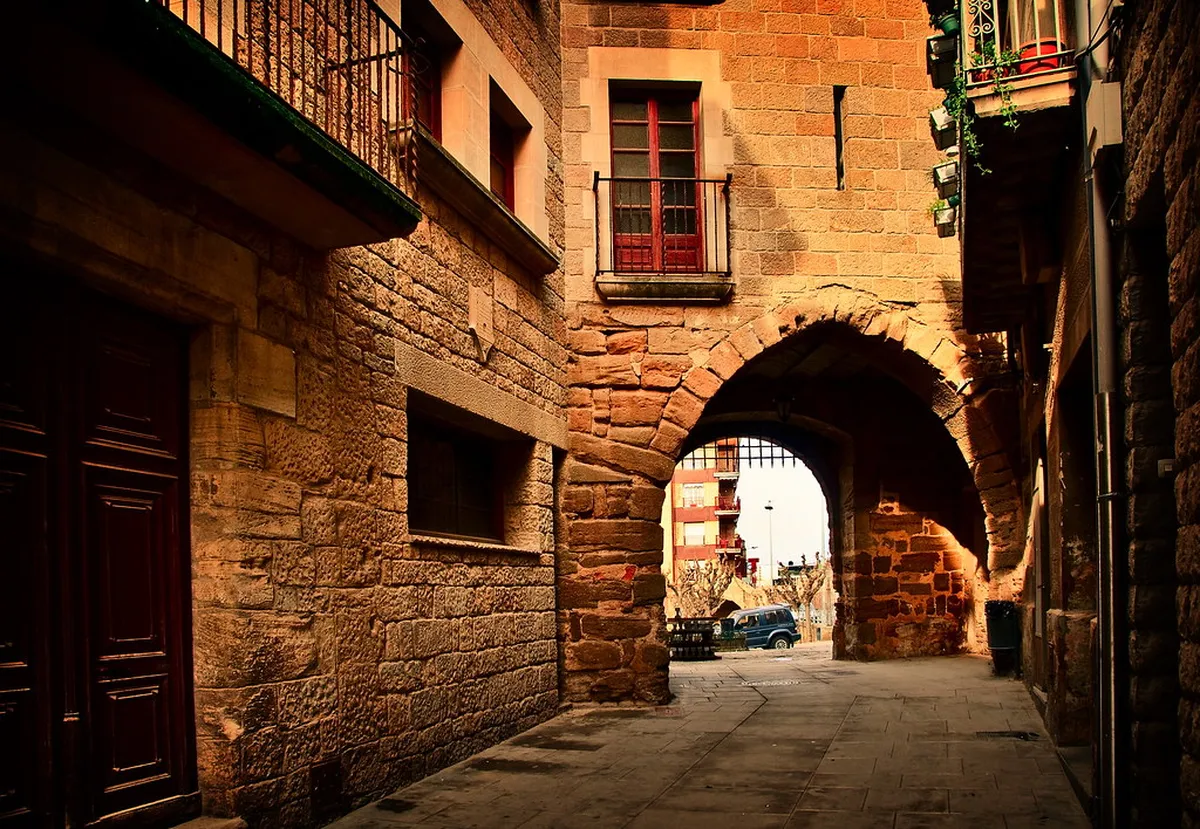
The layout of the streets is a structural element itself. Most medieval streets in Perpignan are very narrow and winding. They were designed this way to provide shade from the sun. The tight turns also helped to slow down any invading armies. Exploring these paths is essential for understanding historic Perpignan architecture today.
Look for the places where streets widen into small public squares. These squares were the sites of ancient markets or water wells. They were the main social gathering points for the local neighborhoods. You can often find small chapels or shrines built into the corners. These served as spiritual markers for the people living nearby.
Notice how some streets follow the curve of the old walls. These paths were created when the fortifications were still fully standing. You can sometimes find fragments of the original stone walls integrated into houses. Look for very thick masonry at the base of certain buildings. These are often the remains of the 13th-century city defenses.
Check the names of the streets for clues about their history. Many names refer to the guilds that used to work there. You might find streets named after bakers, tanners, or silver smiths. This naming tradition has survived since the middle ages in Perpignan. It helps you visualize the busy life of the ancient city.
Finally, look at the orientation of the buildings and the wind. The streets were designed to block the strong Tramontane wind. This cold wind blows down from the mountains quite often. The narrow alleys create a sheltered environment for the local residents. Understanding this climate connection helps with identifying medieval structures in Perpignan.
Frequently Asked Questions
What is the oldest medieval building in Perpignan?
The Palace of the Kings of Majorca is among the oldest. Construction began around 1276 on the high city hill. It remains a very well-preserved example of 13th-century royal architecture. You can visit it daily for a small entry fee.
How can I tell a medieval building from a later one?
Look for the use of cayrou bricks and pointed Gothic arches. Medieval windows are usually much smaller than those from the Renaissance. Ancient walls are often thicker and use rougher stone materials. Most medieval structures in Perpignan have defensive features like arrow slits.
Is Perpignan safe for a walking tour of old buildings?
Yes, the historic center is very safe for tourists today. Most of the medieval sites are located in pedestrian-friendly zones. You should wear comfortable shoes for the uneven cobblestone streets. Always stay aware of your surroundings in crowded market areas.
Where can I see the best Gothic architecture in the city?
The Cathedral of Saint-Jean-Baptiste is the best example of Gothic style. It features high vaulted ceilings and beautiful stained glass windows. The Loge de Mer also displays secular Gothic features on its facade. Both are located within a short walk of each other.
Are there guided tours for medieval history in Perpignan?
The local tourist office offers excellent guided walking tours. These tours provide deep insights into identifying medieval structures in Perpignan. You can also find independent guides who specialize in Catalan history. Booking in advance is recommended during the summer months.
Identifying medieval structures in Perpignan is a rewarding experience for any traveler. By looking for red bricks and pointed arches, you unlock history. The city offers a unique glimpse into the Kingdom of Majorca. Plan your 2025 trip to explore these stone treasures in person. We hope this guide helps you enjoy your historic French adventure!
Key Takeaways
- Look for the signature red cayrou bricks to identify the oldest Catalan walls.
- Visit the Palace of the Kings of Majorca for the best Gothic and military architecture.
- Check for narrow winding streets as a sign of the original medieval city layout.
Related reads: streetartly.com, street art and architecture in perpignan, romanesque architecture features perpignan.