
Perpignan Church Architectural Details Explained
Explore Perpignan church architectural details explained in this 2025 guide. Discover Gothic churches in Perpignan, France. Start your journey now!
On this page
Perpignan is a city that showcases a very rich blend of history and unique architecture. This detailed guide explores the unique structural elements found within the local churches of Perpignan. You will discover why these buildings are essential to the cultural identity of Southern France. We provide the best Perpignan church architectural details explained for your next European travel adventure.
The religious buildings in this city reflect centuries of Catalan influence and Mediterranean building traditions. Visitors can see how the local environment shaped the design of these massive and historic structures. Learning about the history of Perpignan religious buildings helps you appreciate the city even more. This guide focuses on the specific features that make these churches stand out in 2025.
Most of the prominent religious sites here belong to the famous Southern Gothic architectural style. This style differs significantly from the more common Northern Gothic styles found in cities like Paris. You will notice wider spaces and much simpler exterior decorations on these impressive stone buildings. Let us dive into the specific details that define the beautiful landscape of historic Perpignan.
Perpignan Church Architectural Details Explained in Depth
The Saint-Jean-Baptiste Cathedral represents the pinnacle of medieval craftsmanship in the sunny Roussillon region. Architects chose the Southern Gothic style to create an expansive and open interior worship space. This specific design features a single massive nave without any secondary aisles or heavy columns. Such a layout provides an unobstructed view of the grand high altar for all visitors.
The cathedral nave measures seventy meters long and eighteen meters wide between the large buttresses. Builders completed the impressive rib-vaulted ceiling during the late fifteenth century after many long delays. These vaults reach a height of twenty-six meters above the polished marble floor of the sanctuary. Massive internal buttresses provide the necessary support for such a wide and heavy stone roof.
Small side chapels are located between the massive buttresses along the length of the cathedral walls. These chapels provide extra stability to the main structure while offering private spaces for quiet prayer. Each chapel contains unique artwork and religious relics that tell the story of the local community. You can explore these Gothic churches Perpignan France to see these structural elements firsthand.
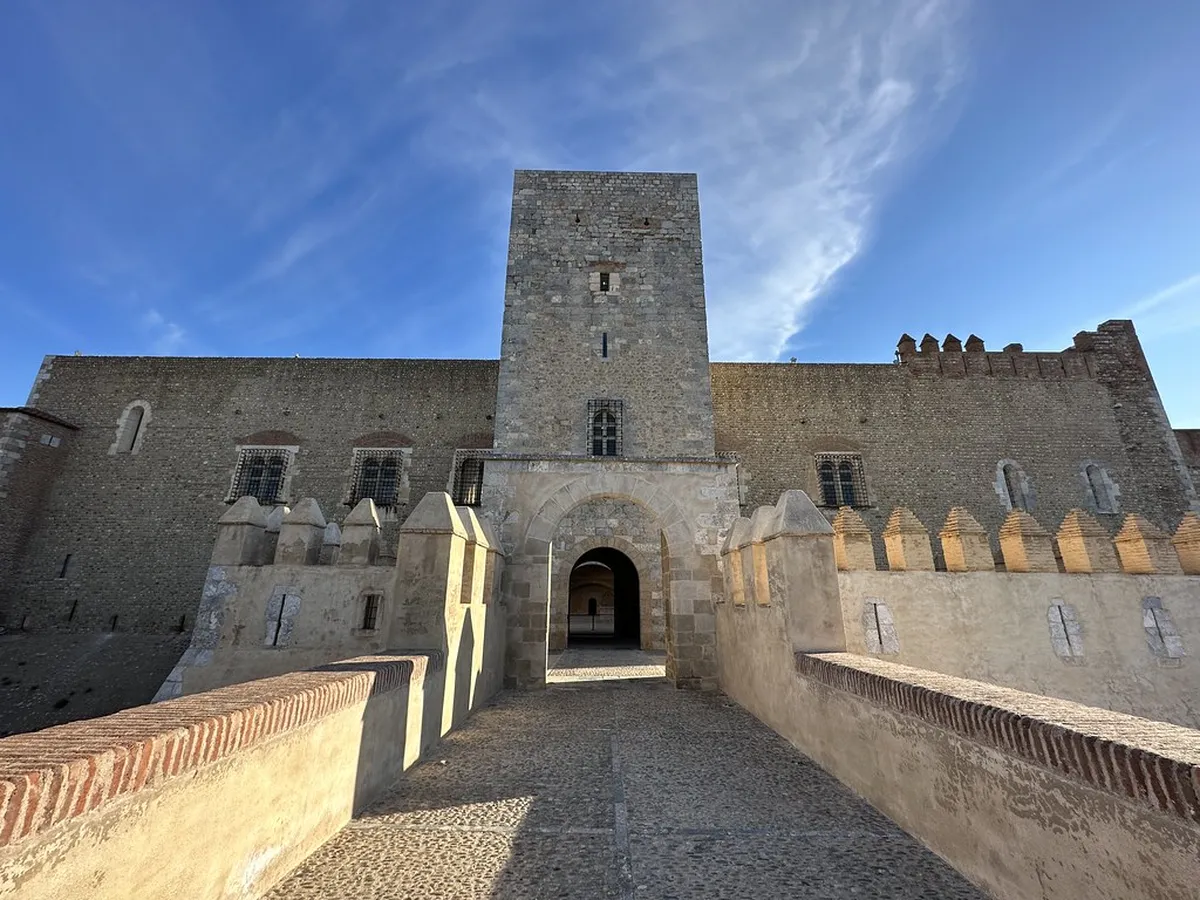
The exterior of the cathedral looks more like a fortress than a traditional religious building. Thick walls and small windows were necessary for defense during times of regional conflict and war. This rugged appearance is a hallmark of the Southern Gothic style found throughout the Mediterranean coast. It reflects the practical needs of the people living in Perpignan during the Middle Ages.
The Influence of Southern Gothic Style
Southern Gothic architecture focuses on wide interior spaces rather than many narrow side aisles. This design allowed large congregations to gather and hear the preacher clearly during public services. The lack of interior columns creates a sense of immense scale and openness within the building. It is a very different experience compared to the narrow and tall cathedrals of the north.
The windows in these churches are usually smaller and placed higher up on the stone walls. This design choice helps to keep the interior of the building cool during hot summer days. The sunlight filters through the stained glass to create a soft and colorful glow inside the church. These features are part of the Perpignan church architectural details explained for curious modern travelers.
Horizontal lines are often more prominent than vertical ones in the design of these southern structures. You will notice that the buildings feel grounded and heavy rather than reaching toward the sky. This aesthetic choice reflects the stability and strength of the local Catalan culture and its traditions. It creates a powerful visual impact that defines the skyline of the city in 2025.
The use of simple geometric shapes is another key characteristic of the religious architecture in Perpignan. Rectangular naves and square bell towers provide a sense of order and balance to the overall design. Architects avoided excessive ornamentation on the exterior to focus on the purity of the building forms. This simplicity allows the natural beauty of the stone and brick to shine through clearly.
Unique Materials of Catalan Religious Buildings
The external walls showcase a beautiful combination of dark river stones and bright red clay bricks. Locals refer to this specific brick and stone construction method as the traditional cayrou style. This technique provides structural strength while creating a very distinctive visual pattern for all onlookers. You can see these patterns on many historic Perpignan architecture examples located throughout the old town.
Builders sourced the smooth river stones from the nearby Tet River that flows through the city. These stones provide a natural and earthy texture to the massive walls of the religious buildings. The red bricks are made from local clay and were fired in kilns nearby the city. Using local materials helped to keep construction costs lower while supporting the regional economy long ago.
The contrast between the grey stones and red bricks creates a warm and inviting visual effect. This color palette is typical of the Mediterranean region and reflects the natural landscape of France. It makes the churches feel integrated with the surrounding environment and the local earth itself. These materials have survived for centuries due to their high quality and the skill of builders.
White marble from the nearby quarries of Ceret was often used for decorative elements and doorways. This high-quality stone adds a touch of elegance to the rugged and simple Gothic structures here. You will see marble sculptures and door frames that have been carved with incredible detail and care. This material choice highlights the wealth and importance of the church in medieval Perpignan life.
The Role of the Campo Santo Funerary Cloister
The Campo Santo is a unique funerary cloister located immediately next to the great cathedral building. It served as a sacred burial ground for the wealthy and influential citizens of medieval Perpignan. This site is currently the oldest and largest funerary cloister still standing in all of France. It features four long galleries with beautiful Gothic pointed arches made of high-quality white marble.
Each archway originally contained a tomb or a memorial for a local family of high status. The central courtyard remained open to the sky to allow for light and air to circulate. This design created a peaceful and contemplative space for visitors to remember their loved ones and pray. The Campo Santo is a vital part of the Perpignan church architectural details explained today.
The walls of the cloister are decorated with fine carvings and religious symbols of the period. You can still see the remains of colorful frescoes that once covered the interior stone surfaces. These paintings depicted scenes of the afterlife and provided comfort to those visiting the sacred site. The preservation of these details allows us to understand the funerary customs of the Middle Ages.
In 2025 the Campo Santo serves as a venue for various cultural events and musical performances. The excellent acoustics of the stone galleries make it a perfect place for concerts and shows. It is a wonderful example of how historic spaces can be reused for the modern community. Visiting this site offers a deep connection to the long and complex history of Perpignan.
Decorative Elements and Catalan Altarpieces
The interiors of Perpignan churches house incredible Catalan wood carvings and heavy gold leaf decorations. These massive altarpieces date back primarily to the sixteenth and seventeenth centuries of the city history. They display intricate scenes of famous saints and important biblical stories carved into fine wood. You should visit the Saint Jean Perpignan Cathedral to see these incredible treasures.
The Altarpiece of Saint John the Baptist is a masterpiece of the Baroque period in France. It features dramatic lighting and expressive figures that seem to come to life for the viewer. Gold leaf covers much of the surface to reflect the candle light during religious evening services. This creates a heavenly and awe-inspiring atmosphere within the dark and quiet stone sanctuary.
Local artists used many different colors of paint to enhance the details of the carved figures. You can see fine patterns on the clothing and realistic expressions on the faces of saints. These artworks served as visual tools to teach religious stories to the many illiterate citizens. They remain some of the most important cultural assets in the entire Roussillon region today.
The wrought ironwork found in these churches is also of very high quality and artistic merit. Skilled blacksmiths created decorative screens and railings to protect the various private chapels and religious relics. These iron elements often feature floral motifs and complex geometric designs typical of the Catalan style. They add another layer of detail to the Perpignan church architectural details explained here.
Preservation of Medieval Heritage in 2025
The city of Perpignan invests heavily in the restoration and maintenance of its historic religious buildings. Experts use traditional techniques to repair the stone walls and the delicate stained glass windows today. These efforts ensure that future generations can enjoy the beauty and history of these massive structures. Preservation is a continuous process that requires significant funding and specialized knowledge from local artisans.
Modern technology helps historians to better understand the construction methods used by the original medieval builders. Laser scanning and digital modeling allow for precise measurements of the structural elements of the churches. This data is used to plan repairs and to protect the buildings from environmental damage. It is an exciting time for the study of historic architecture in Southern France.
Visitors are encouraged to respect the sacred nature of these sites while exploring the architectural details. Many churches remain active places of worship for the local community throughout the entire year. Following local guidelines helps to preserve the quiet and respectful atmosphere of these historic stone buildings. Your visit supports the ongoing efforts to keep these important monuments open to the public.
The churches of Perpignan stand as a testament to the enduring spirit and creativity of the people. They connect the modern city to its medieval roots through stone, brick, and beautiful golden art. Understanding these architectural details enhances your travel experience and deepens your appreciation for Catalan culture. We hope this guide helps you explore the magnificent Gothic legacy of Perpignan in 2025.
Frequently Asked Questions
What is the most famous Gothic church to visit in Perpignan?
The Saint-Jean-Baptiste Cathedral is the most famous and largest Gothic church in the city. It features a unique Southern Gothic design with a single wide nave and impressive altarpieces. You can also visit the adjacent Campo Santo for a complete historical and architectural experience.
Are there any entrance fees for churches in Perpignan in 2025?
Most churches in Perpignan are free to enter for visitors and worshippers during the day. However some specific areas like the treasury or certain cloisters may charge a small fee. It is always best to check the official tourism website for the most current pricing.
How do I identify Southern Gothic architecture in France?
You can identify Southern Gothic by its single wide nave and the lack of side aisles. Look for thick walls, small windows, and massive internal buttresses that support the high stone roof. The exterior often appears more simple and fortified compared to the decorative Northern Gothic styles.
What are the best hours to visit Perpignan churches for photos?
The best time for photography is during the morning when the light is soft and bright. Afternoon sun can create harsh shadows on the stone walls and make interior photos more difficult. Always remember to avoid taking photos during active religious services to respect the local worshippers.
Perpignan offers a unique look at the history of Gothic architecture in the south of France. From the massive cathedral to the peaceful cloister, these buildings tell a very fascinating story. We hope these Perpignan church architectural details explained provide value for your next trip in 2025. Be sure to explore the Perpignan architectural styles explained for more local insights.
Key Takeaways
- Identify Southern Gothic by its wide single nave design.
- Look for the unique cayrou masonry of stones and bricks.
- Visit the Campo Santo to see France's oldest funerary cloister.
- Admire the gold-leafed Catalan altarpieces in the cathedral.
- Check for morning light to get the best architectural photos.
Related reads: streetartly.com, street art and architecture in perpignan.