
Palace of Kings Mallorca History Perpignan: 2025 Guide
Discover the rich Palace of Kings Mallorca history Perpignan offers. Plan your 2025 visit with our guide to this royal fortress and its Gothic architecture.
On this page
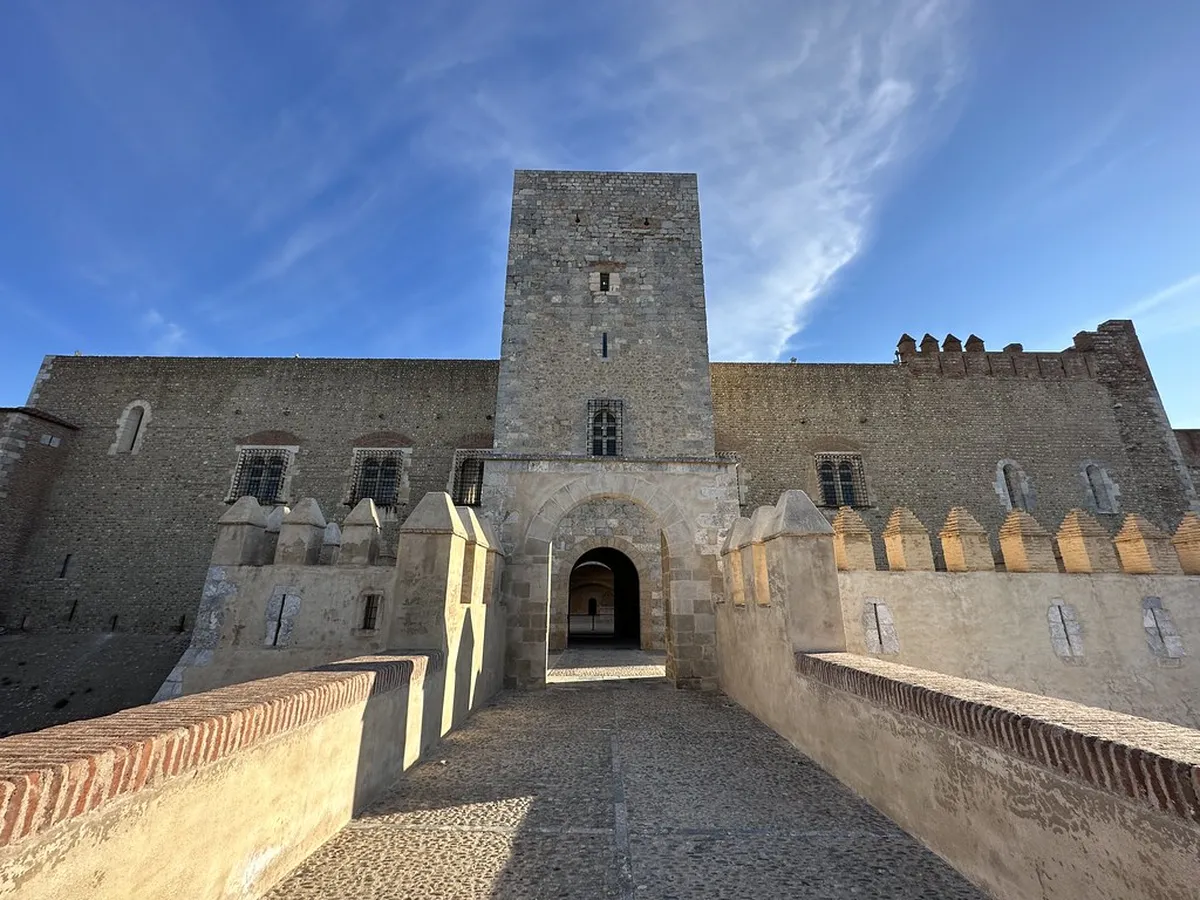
The Palace of Kings Mallorca history Perpignan showcases a unique era of Mediterranean royalty during the late Middle Ages. This massive fortress sits proudly on a hill overlooking the historic city center of Perpignan. It served as the primary residence for the Kings of Majorca during the late 13th century. Today, it remains a stunning example of Gothic civil and military architecture in Southern France.
Visiting this site in 2025 allows you to step back into a time of great royal ambition. The palace represents the power of a kingdom that once stretched across the sea. You will find incredible views of the Pyrenees from the high defensive walls. Exploring the Palace of Kings Perpignan is essential for any history lover visiting the region.
The palace walls tell stories of royal banquets and fierce military sieges. Its design combines the luxury of a royal residence with the strength of a citadel. You can walk through the same halls where kings once greeted foreign ambassadors. This guide covers everything about its origins, architecture, and practical visiting tips for your next trip.
The Royal Origins of the Palace of Kings Mallorca
The Palace of Kings Mallorca history Perpignan began with the creation of a new kingdom in 1276. King James II of Majorca chose Perpignan as his continental capital for strategic reasons. He wanted a residence that reflected his status and protected his court. Construction on this massive royal palace started shortly after he took the throne.
Perpignan was the economic and political heart of the Kingdom of Majorca at that time. The kingdom included the Balearic Islands, Roussillon, and the lordship of Montpellier. James II envisioned a palace that would serve as both a home and a fortress. This dual purpose shaped the initial layout of the entire structure.
The royal court moved into the palace while construction was still in progress. Master builders used local materials to create a truly unique Mediterranean style. Red bricks and warm stones define the colorful appearance of the palace today. It stood as a symbol of Mallorcan independence from the neighboring crown of Aragon.
By the early 14th century, the palace became a center of cultural and artistic life. Musicians, poets, and scholars frequently gathered within its protected walls. The kings of Majorca spared no expense in decorating the interior rooms. They created a space that rivaled the finest royal courts in all of Europe.
Architectural Features of the Gothic Fortress
The palace is a masterpiece of the Gothic style found throughout historic Perpignan architecture. It features a large central courtyard surrounded by two levels of arched galleries. These galleries provided shade and easy access to the various royal apartments. The design allows natural light to flood the interior spaces through narrow windows.
One of the most striking features is the double-decker royal chapel. The lower chapel served the servants and guards of the royal household. The upper chapel was reserved strictly for the king and his immediate family. Both chapels showcase intricate stone carvings and beautiful vaulted ceilings from the medieval period.
- The Great Hall: This massive room hosted grand banquets and royal ceremonies.
- The Queen's Apartments: These rooms offer a glimpse into the private lives of royalty.
- The Keep: The central tower provided a final refuge during times of military conflict.
- The Ramparts: Broad defensive walls offer 360-degree views of the Roussillon plain.
The architects used high-quality marble from the nearby quarries of Villefranche-de-Conflent. This marble adds a sense of luxury to the door frames and window sills. You can see the transition from Romanesque to Gothic styles in different sections. The evolution of building techniques is visible in the varied masonry work found here.
Strong defensive walls and deep moats protected the royal family from potential invaders. These fortifications were necessary during the many conflicts of the 14th century. The palace successfully combined elegance with the brutal requirements of medieval warfare. Today, these features remain remarkably well-preserved for modern visitors to explore and enjoy.
The Evolution from Palace to Military Citadel
The Palace of Kings Mallorca history Perpignan changed significantly after the kingdom fell in 1344. The crown of Aragon reclaimed the territory and the palace lost its royal status. It transitioned from a residence into a purely military installation for the next few centuries. New defenses were added to accommodate the invention of heavy gunpowder artillery.
During the 16th century, Spanish engineers built massive star-shaped brick walls around the medieval core. These outer fortifications protected the inner palace from cannon fire. The palace became a vital garrison for troops guarding the border between France and Spain. Life within the walls became strictly focused on military readiness and border defense.
In 1659, the Treaty of the Pyrenees officially made Perpignan a part of France. The famous French military architect Vauban later arrived to modernize the existing citadel. He improved the bastions and strengthened the outer defensive ring once again. His influence is still visible in the massive earthworks surrounding the palace grounds today.
The site continued to serve as a military base until the 20th century. This long military history helped preserve the original medieval palace from being demolished. Soldiers lived in the former royal apartments, keeping the structures in constant use. Eventually, the site was opened to the public as a significant historical monument.
Visiting the Palace in 2025
Planning a visit in 2025 is simple as the palace is open year-round. Most visitors spend about two hours exploring the various rooms and the extensive gardens. The site is located at the end of Rue des Archers in central Perpignan. You can easily walk there from the main city squares in fifteen minutes.
You should check the current tickets and entry fees before your arrival. Standard adult entry usually costs around 7 Euros for the full self-guided experience. Reduced rates are available for students, children, and large organized travel groups. Many visitors choose to buy a combined ticket for other local monuments.
The palace hosts various cultural events and outdoor concerts throughout the summer months. These events take advantage of the excellent acoustics within the medieval courtyard. It is a magical experience to hear music inside such a historic setting. Be sure to check the local 2025 event calendar for specific performance dates.
The climb to the top of the ramparts is highly recommended for everyone. From the walls, you can see the Mediterranean Sea and the snowy Pyrenees. It is one of the best photography spots in the entire Occitanie region. Bring comfortable walking shoes as the stone floors can be uneven in places.
Frequently Asked Questions
How old is the Palace of the Kings of Majorca?
Construction began in 1276 under the orders of King James II. This means the palace is over 740 years old today. It has survived numerous sieges and several different ruling empires over the centuries.
Are there other Gothic churches in Perpignan to visit?
Yes, Perpignan is home to several beautiful religious sites. You can visit the Gothic churches in Perpignan like the Saint-Jean-Baptiste Cathedral. Most of these historic buildings are within walking distance of the palace.
Is the palace accessible for people with limited mobility?
The site has made efforts to improve access for all visitors recently. Some areas remain difficult to reach due to the ancient stone stairs. It is best to contact the visitor center for specific accessibility details before visiting.
Can I take photos inside the Palace of Kings of Mallorca?
Photography is generally allowed for personal use throughout the palace grounds. Tripods might be restricted in certain narrow rooms or during busy event times. The courtyard and ramparts offer the best lighting for your vacation photos.
The Palace of Kings Mallorca history Perpignan offers a fascinating look at a lost kingdom. From its royal beginnings to its military transformation, the site remains a local treasure. Plan your visit for 2025 to experience this incredible piece of French and Spanish history. Do not forget to explore the rest of the city after finishing your tour of the citadel walls.
Key Takeaways
- The palace was the capital of the Kingdom of Majorca from 1276 to 1344.
- It features a unique blend of Gothic architecture and military fortifications.
- Visitors can enjoy panoramic views of the Pyrenees from the high ramparts.
- The site is easily accessible from the center of Perpignan in 2025.
Related reads: streetartly.com.