
Preserving Troyes Half-Timbered Facades: 2025 Guide
Learn about Troyes half-timbered facades preservation efforts. Discover how this French city protects its iconic medieval architecture. Plan your visit today!
On this page
Troyes is a historic city located in the beautiful Grand Est region of northern France. It is very famous for its vast collection of colorful and charming medieval houses today. Travelers in 2025 will be amazed by the Troyes half-timbered facades preservation efforts during their visit. These careful restoration projects help maintain the authentic atmosphere of this stunning European destination.
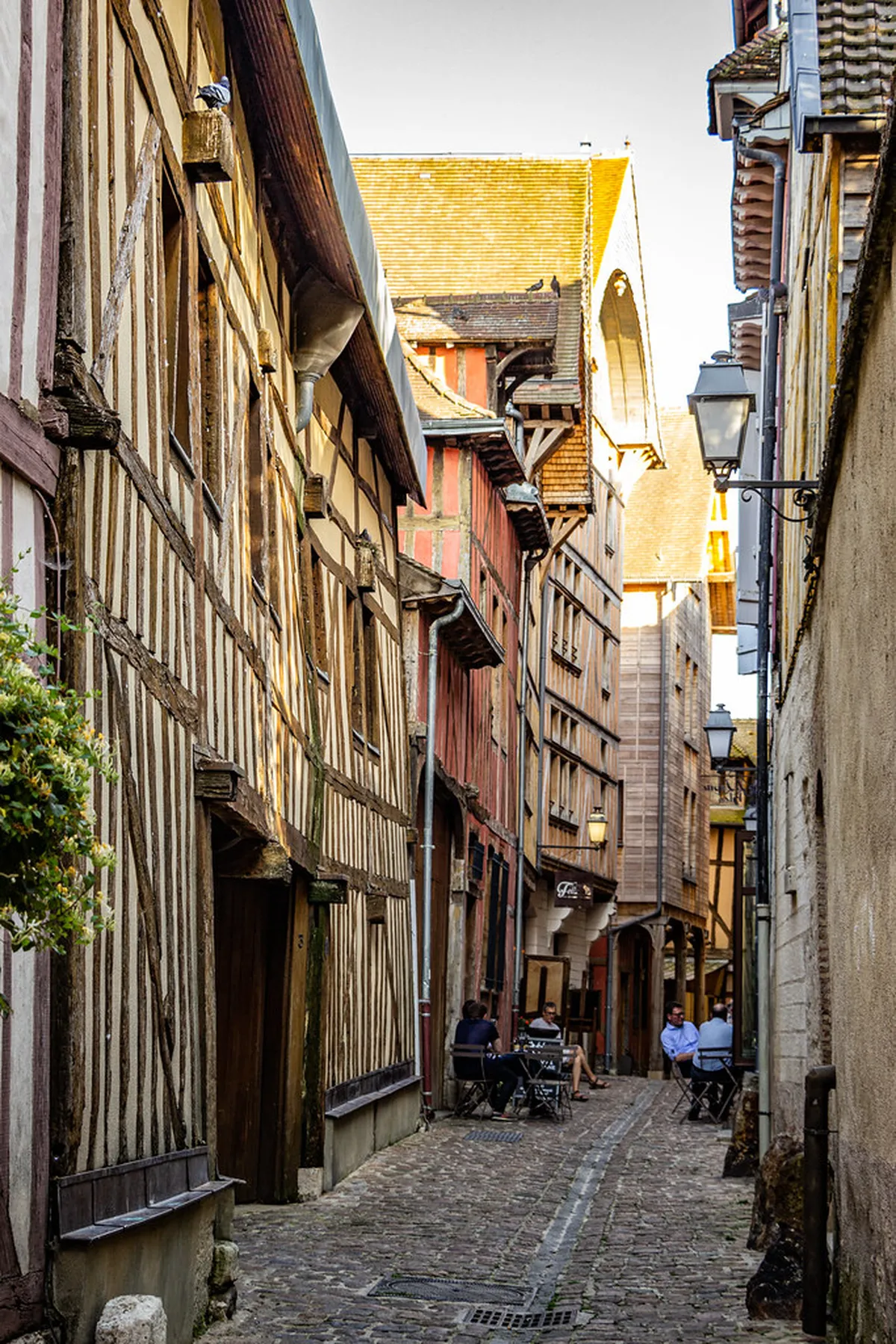
Walking through the city center feels like stepping back into the sixteenth century for many lucky tourists. The unique architectural style features timber frames filled with a mixture of plaster and local hay. Protecting these fragile structures requires constant dedication from the city government and specialized local conservation experts. This guide explores how the community keeps its history alive for the modern world to see.
Preservation is not just about aesthetics but also about keeping the cultural history of France alive. Every year the city invests significant resources to ensure that the ancient wood remains strong and safe. You can learn more about the incredible Troyes half-timbered houses by exploring the various districts in the town center. The commitment to heritage makes this city a top choice for architecture lovers from around the globe.
The History of Troyes Half-Timbered Houses
The history of these structures began with a massive fire that occurred in the year 1524. This disaster destroyed a large portion of the city but led to an intensive rebuilding phase soon after. Architects chose to use wood because it was readily available and much cheaper than stone at the time. Today these buildings represent one of the most complete collections of Renaissance timber framing in Europe.
The history of half-timbered architecture in Troyes shows how the city adapted after the medieval period. Most of the houses you see today were built between the sixteenth and seventeenth centuries with great care. Each structure tells a story of the wealthy merchants and artisans who once lived and worked here. The density of these buildings creates a unique urban landscape that is rare in modern France.
Preservation efforts actually started late in the twentieth century when the city realized the value of its heritage. Before the 1960s many of these beautiful facades were covered with grey plaster to look more modern. Dedicated historians worked to uncover the original wood and restore the vibrant colors to the street view. This shift in perspective saved the city from losing its architectural identity to modern urban development.
Modern visitors can now appreciate the craftsmanship that went into every beam and joint in the old town. The preservation of these houses is a testament to the resilience of the local population over many centuries. Experts believe that the city contains over one thousand half-timbered buildings within its historic heart today. Understanding this history is essential for anyone interested in the preservation of European urban heritage sites.
Troyes Half-Timbered Facades Preservation Efforts
The Troyes half-timbered facades preservation efforts involve complex collaboration between the city and national heritage experts. Funding for these extensive projects comes from both public grants and private investments from local property owners. Every restored house must follow strict guidelines to ensure that the historical accuracy remains completely intact today. Specialized artisans use hand tools that mimic the original construction methods used by medieval French carpenters.
The city uses a special legal framework to protect entire neighborhoods from improper renovations or modern changes. This law ensures that even small details like window frames and door handles match the original period styles. Property owners receive financial incentives to maintain their buildings using traditional materials like lime and natural sand. These policies have turned the entire city center into a protected zone for future generations to enjoy.
One major challenge for the preservation team is the natural movement of the ancient oak timber frames. Wood naturally expands and contracts with changes in humidity and temperature throughout the different seasons in France. Engineers use modern monitoring technology to track the stability of the tall buildings without damaging the historic fabric. This balance of old world charm and new technology is a hallmark of the local preservation strategy.
In 2025 the city plans to launch several new restoration sites near the iconic Saint-Pierre-et-Saint-Paul Cathedral. These projects will focus on stabilizing foundations that have shifted over the last four hundred years of use. Public workshops will allow residents to learn about the traditional techniques used to keep the wood healthy. Community involvement is a key pillar of the long-term success of these vital architectural protection initiatives.
Traditional Methods for Restoring Medieval Structures
Restoration workers carefully remove layers of old paint to reveal the natural beauty of the oak beams. They use a technique called sandblasting with very soft materials to avoid scratching the surface of the wood. Once the wood is clean experts apply protective oils that prevent rot and keep away wood-boring insects. This process must be repeated every few decades to ensure the longevity of the historic street facades.
The use of traditional lime mortar allows the medieval architecture in Troyes France to breathe naturally. Modern cement is too rigid and can cause the old wood to crack or rot over time. Lime is flexible and moves with the timber which prevents moisture from being trapped inside the walls. Artisans mix the mortar with local pigments to create the soft pastel colors seen throughout the city.
Replacing damaged beams requires sourcing high quality oak that has been seasoned for many years before use. Carpenters use traditional joints like mortise and tenon to connect the new wood to the existing structure safely. They avoid using modern nails or screws because these can rust and damage the timber from the inside. This commitment to authenticity ensures that the restoration work is almost invisible to the naked eye.
Colors are another vital part of the Troyes half-timbered facades preservation efforts and the local street aesthetic. Historians research the original pigments used in the sixteenth century to ensure the city stays historically accurate. Common colors include warm yellows deep reds and the famous blue made from the local woad plant. These vibrant hues make the city one of the most photogenic locations in the entire country.
Exploring the Historic Districts of Troyes
The best way to see the results of these preservation efforts is by walking through the narrow streets. Start your journey in the Saint-Jean district where the density of historic buildings is at its highest. You will find the famous Maison de l'Orfèvre which features beautiful carvings and a unique hanging turret. This area showcases the variety of styles that emerged during the massive rebuilding phase after the great fire.
The Ruelle des Chats is another must-see location for anyone interested in the medieval layout of the city. This street is so narrow that the roofs of the houses almost touch each other at the top. It provides a perfect example of how the city looked before modern urban planning changed the European landscape. The preservation of this tiny alleyway was a major achievement for the local heritage protection society.
Visit the Cour du Mortier d'Or to see a stunning courtyard surrounded by perfectly restored wooden galleries. This hidden gem offers a quiet escape from the busy main streets and shows the private side of history. The intricate woodwork here has been meticulously maintained by the owners with help from the city preservation office. It is a perfect spot to admire the detailed joints and carvings that define the local style.
The Hotel de Vauluisant is another architectural highlight that serves as a museum for the history of the region. This building combines stone and timber elements to create a grand residence fit for the wealthy elite of old. It houses exhibits about the local textile industry which funded much of the original construction in the city. Exploring this site helps visitors connect the economic history of Troyes with its unique architectural beauty.
Best Half-Timbered Houses Walking Tour Highlights
Following a best half-timbered houses walking tour is the most efficient way to see the top sites. Most tours begin at the tourism office near the town hall where you can get a detailed map. The route takes you past the most famous houses while explaining the specific preservation challenges for each site. You will learn about the families who built these homes and the secrets hidden within the walls.
One highlight of the tour is the Maison du Boulanger which sits on a prominent corner in the center. This building was one of the first to be fully restored during the revitalization project in the 1960s. Its beautiful timber patterns and large windows make it a favorite subject for photographers and artists visiting the city. The restoration of this house served as a model for many other projects across the entire town.
Guides will also point out the small details that tourists often miss when walking alone through the historic streets. Look for the small statues carved into the corner beams which were intended to protect the house and family. You will also notice the different types of wood used for decorative elements versus the structural timber frames. These nuances are a key part of the Troyes half-timbered facades preservation efforts across the city.
The tour ends in the area known as the Bouchon de Champagne because of its unique bottle-stopper shape. This district contains some of the most beautifully painted facades and charming small boutiques in the region. Spend some time sitting in a local cafe to admire the view and soak in the historic atmosphere. It is the perfect conclusion to a day spent learning about the incredible heritage of this French city.
Frequently Asked Questions
Why are the facades in Troyes painted in so many different bright colors?
Historically colors served to identify different trades or families living within the busy medieval city streets. Modern restoration projects use authentic pigments to recreate the vibrant appearance of the sixteenth century landscape. These colors help to highlight the intricate wooden patterns found across the Troyes half-timbered facades preservation efforts. Visitors enjoy the visual variety while exploring the different districts of the historic town center in 2025.
How many half-timbered houses are currently preserved in the city of Troyes?
There are over one thousand half-timbered houses located within the protected historic center of the city today. This represents one of the largest and best-preserved collections of Renaissance timber architecture in all of Europe. Continuous maintenance ensures that these buildings remain safe for both residents and the many tourists who visit. The city adds more structures to the protected list every few years to expand the heritage zone.
Can visitors go inside any of the historic half-timbered houses in Troyes?
Many of the historic buildings now house shops restaurants or public museums that visitors can easily enter. The Maison de l'Outil et de la Pensée Ouvrière is a fantastic museum located inside a restored mansion. Some houses remain private residences so you should always respect the privacy of the people living there. Walking tours often include access to specific courtyards that are otherwise closed to the general public.
The Troyes half-timbered facades preservation efforts are a shining example of how to protect urban history. By using traditional materials and modern technology the city has saved its unique architectural identity for the future. Travelers in 2025 have the opportunity to see a medieval world that has been carefully restored to glory. Plan your visit to this incredible city to experience the charm of old France in person. You will leave with a deep appreciation for the hard work required to keep history standing tall.
Key Takeaways
- The 1524 fire was the catalyst for the city's unique timber-framed rebuilding phase.
- Traditional lime mortar and natural pigments are essential for authentic architectural restoration.
- Troyes holds one of the largest collections of Renaissance half-timbered houses in Europe.
- The Ruelle des Chats offers a rare look at the narrow layout of medieval streets.
Related reads: streetartly.com, street art and architecture in troyes, where to see oldest half timbered houses troyes.