
Oldest Buildings in Beaune France: Top Historic Sites
Explore the oldest buildings in Beaune France. Discover medieval towers and gothic hospices. Plan your 2025 Beaune history tour and see the ancient architecture!
On this page
Beaune is a stunning gem located in the heart of the famous Burgundy region in France. The town is widely known for its rich history and many ancient stone structures. You will find many oldest buildings in Beaune France during your visit to this walled city. These landmarks showcase centuries of French architectural evolution and the wealth of the Burgundian dukes.
Walking through the narrow streets feels like stepping back into a vibrant medieval time period. Every corner reveals a new story about the people who built this historic market town. You can enjoy a blend of Romanesque, Gothic, and Renaissance styles within a short walking distance. Prepare to explore some of the most well-preserved historical sites found anywhere in Europe.
The Iconic Hospices de Beaune (Hôtel-Dieu)
The Hôtel-Dieu is likely the most famous historical landmark located within the city of Beaune. It was founded in 1443 by Nicolas Rolin to provide care for the local poor. This hospital served the needy for many centuries and remains a masterpiece of Flemish-Gothic design. Today the building serves as a museum that welcomes thousands of international visitors every year.
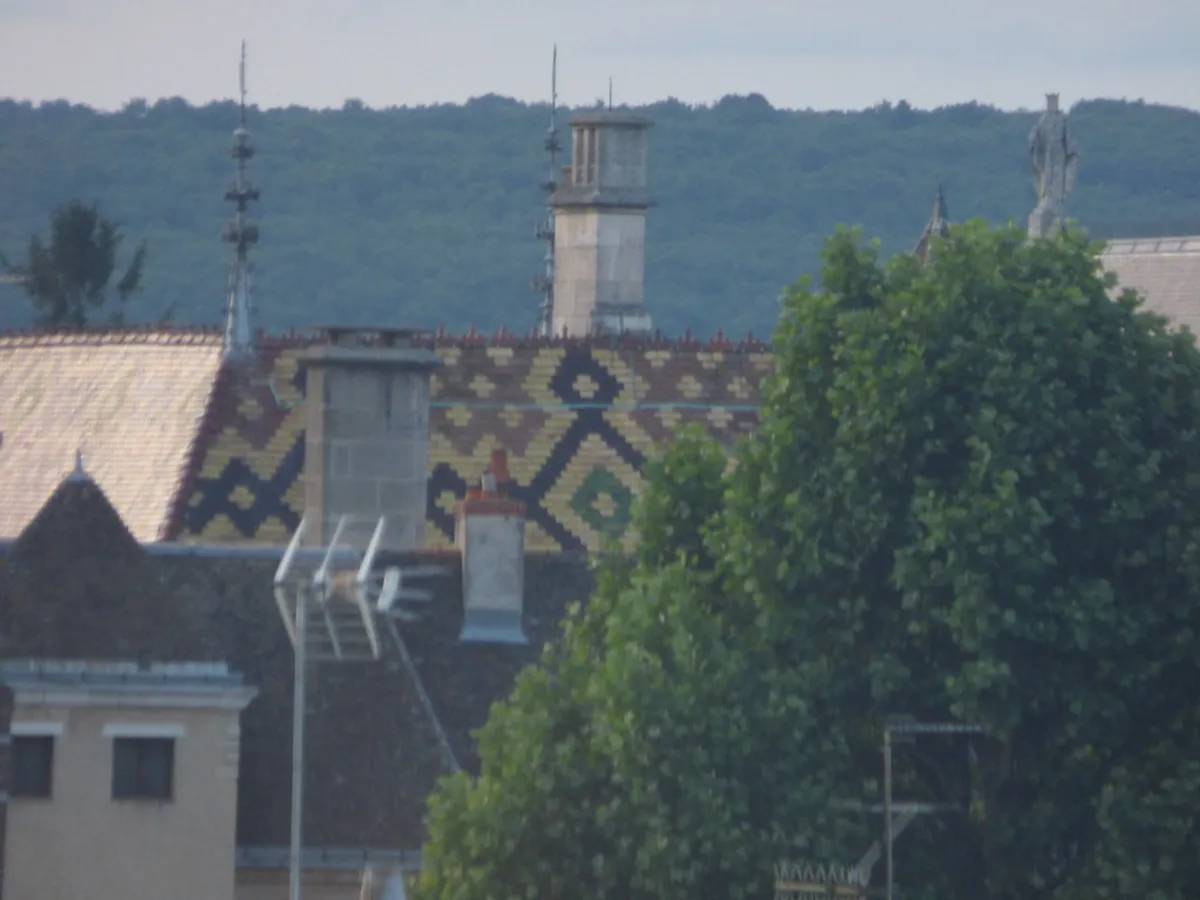
The roof features colorful glazed tiles arranged in beautiful geometric patterns that define the style of Burgundy. These tiles are a hallmark of regional hospices de Beaune architecture and look stunning in the sun. Visitors can explore the Great Hall of the Poor which contains original wooden beds. This hall offers a deep look into the medical practices used during the middle ages.
Tickets for the museum cost approximately twelve Euros for adults during the 2025 travel season. The museum usually opens daily from nine in the morning until six thirty in the evening. Plan to spend at least two hours inside to fully appreciate the art and history. Audio guides provide excellent details about the historic site and the people who lived there.
The inner courtyard offers the best view of the famous tiles and the ornate wooden balconies. Photographers should visit early in the morning to avoid the large tour groups that arrive later. The intricate wood carvings on the balconies are breathtaking and show incredible craftsmanship from the past. This building remains a powerful symbol of the golden age of the Duchy of Burgundy.
Notre-Dame Basilica and Romanesque Roots
The Collegiate Church of Notre-Dame dates back to the twelfth century and remains a stunning example of masonry. It is one of the oldest buildings in Beaune France and anchors the town's religious history. The structure reflects the transition from heavy Romanesque shapes to the lighter lines of Gothic style. It serves as a quiet spiritual heart for the local community and visiting pilgrims.
Inside you will find rare fifteen-century tapestries depicting the life of the Virgin Mary in detail. These artworks are displayed in the choir section and are famous for their vibrant remaining colors. The church also features beautiful stained glass windows from various eras throughout French history. Admission to the basilica is generally free for visitors who wish to see the interior architecture.
The exterior showcases heavy stone walls and rounded arches that define the early medieval building periods. These features are typical of early Beaune medieval architecture style features and look very imposing. The bell tower dominates the local skyline and provides a great reference point for navigators. It is a perfect spot for historical photography when the afternoon light hits the stone.
The church is located near the town center and stays open throughout the day for quiet reflection. Be respectful of active religious services that may be occurring during your visit in 2025. The quiet atmosphere provides a necessary break from the busy tourist streets outside the heavy doors. Take a moment to admire the massive pillars that have supported the roof for centuries.
The Belfry and Ancient Town Walls
The Belfry of Beaune is a striking medieval tower that served as a vital watchpoint. It was originally built in the fourteenth century to protect the town from various external threats. This tower highlights the importance of military defense in the history of medieval French towns. It stands as a tall sentinel near the bustling market square in the center of Beaune.
The tower is a key part of the Beaune historical architecture landscape that attracts so many visitors. You can see the clear influence of military design in the thick stone base of the tower. These walls were built to withstand sieges and protected the town's records and its precious bell. The bell was used to warn citizens of fire or approaching enemy armies.
Visitors can walk along the remaining city ramparts which once protected the entire town from invaders. Many sections of these walls are well preserved and offer a peaceful path for a morning stroll. You can see how the town grew within these stone boundaries over several hundred years. The walk around the perimeter takes about one hour and provides views of private gardens.
The Tour des Dames is another notable fortification point that dates back to the late medieval era. Most of these historic structures are visible from the public road and are free to view. They represent the strength of Beaune when it was a strategic location for the Burgundian dukes. Looking at these walls helps you understand the scale of the ancient city's footprint.
Palace of the Dukes and Wine Museum
The Palace of the Dukes of Burgundy is a group of buildings dating from the fourteenth century. This complex now houses the Museum of Burgundy Wine which is a popular stop for travelers. The architecture features timber-framed galleries and stone courtyards that look very traditional for the region. It shows how the ruling dukes lived and managed their vast territories from this location.
The interior of the museum explains the long history of winemaking in this part of France. You can see ancient wine presses that were used by monks and peasants many centuries ago. The buildings themselves are just as interesting as the museum exhibits found inside the rooms. Walking through the halls allows you to see the original stone fireplaces and massive wooden beams.
The museum is open most days and provides a deep look into the local wine culture. You will learn how the soil and climate have influenced the architecture and economy of Beaune. The courtyard of the palace is a quiet place to sit and admire the old masonry. It is a must-see for anyone interested in the intersection of history and agriculture.
Historical Mansions and Renaissance Facades
Beaune is home to several private mansions that date back to the elegant French Renaissance period. The Maison du Colombier is a primary example of this style and sits near the church. It was built in the sixteenth century and features a unique corner turret and stone carvings. These residences show the wealth of the merchant class who lived in Beaune centuries ago.
The Hotel de Rochepot is another stunning historical residence that showcases the local nobility's taste. These buildings often have hidden inner courtyards that are decorated with ornate stone sculptures and plants. You can see these gems on a walking tour Beaune architecture through the old town. Look for the small details on the doors and window frames as you walk.
Many of these mansions are now used as upscale shops or boutique hotels for modern visitors. This transition allows you to see the historic interiors while enjoying a meal or shopping. Look up high to find statues of saints or mythical creatures carved into the stone facades. These artistic details tell stories of the town's religious and merchant past from long ago.
The Rue de l'Enfer contains some of the narrowest old houses found in the entire Burgundy region. These timber-framed structures date back hundreds of years and look like they are leaning over the street. They provide a unique glimpse into the common life of citizens during the middle ages. The street is perfect for fans of ancient history and those seeking unique photos.
Practical Tips for Historical Sightseeing
Wear comfortable walking shoes for the uneven cobblestone streets found throughout the historic old town. Much of the historical center is best explored on foot to see the small details. Cars are restricted in many zones to protect the ancient buildings from pollution and traffic damage. Walking allows you to notice small plaques that explain the history of various stone houses.
Visit during the spring or fall months for better weather and fewer crowds in the narrow streets. The summer months in 2025 will be quite busy with tourists from all over the world. Early mornings offer the best light for taking professional photos of the ancient stone facades. You will also enjoy the quiet atmosphere before the shops open for the day.
Carry a printed or digital map of the historical district to find hidden alleys and courtyards. Many buildings have small signs that list the year they were constructed by local builders. These signs help you identify the oldest structures as you wander through the different neighborhoods. You can find excellent maps at the local tourism office located near the belfry.
Local cafes often occupy the ground floors of buildings that are hundreds of years old today. Grab a coffee and admire the vaulted stone ceilings while you take a short break. This is a great way to experience history without paying for a museum ticket. Many shop owners are happy to share stories about their historic buildings with interested visitors.
Frequently Asked Questions
What is the oldest building in Beaune France?
The Collegiate Church of Notre-Dame is one of the oldest buildings, dating to the 12th century. Some sections of the town walls also date back to Roman times. These structures have stood for nearly a thousand years in the town center.
Can you visit the Hospices de Beaune in 2025?
Yes, the Hospices de Beaune is open to the public as a museum throughout 2025. It is recommended to book tickets in advance during the peak summer season. The museum offers a look at medieval medical history and art.
Are the medieval city walls of Beaune free to visit?
The ramparts of Beaune are free to walk and are accessible to the public at any time. This path offers a great way to see the town from a different perspective. It is a popular route for both tourists and local residents.
How much time do I need to see the historical sites in Beaune?
You should plan for at least one full day to see the major historical landmarks. A two-day stay allows for a more relaxed pace and time for cellar tours. This gives you enough time to explore the museums and narrow streets.
Beaune is a remarkable destination for anyone who loves ancient history and beautiful architecture. From the colorful tiles of the Hospices to the heavy stones of the basilica, there is much to see. Plan your visit for 2025 to experience these oldest buildings in Beaune France for yourself. You will leave with a deep appreciation for the preserved heritage of this Burgundian treasure.
Key Takeaways
- The Hospices de Beaune is a must-see for its famous glazed tile roof and history.
- Notre-Dame Basilica offers a look at 12th-century Romanesque and Gothic architectural styles.
- Walking the ancient city ramparts is a free and scenic way to explore the town.
- Many historical mansions from the Renaissance are now accessible as shops and hotels.
- Plan for at least 1-2 days to fully experience the historical depth of the city.
Related reads: streetartly.com, street art and architecture in beaune, identifying gothic architecture in beaune.