
Identifying Gothic Architecture in Beaune
Learn identifying Gothic architecture in Beaune with our expert 2025 guide. Discover pointed arches and ornate facades in Burgundy's heart. Start your tour now!
On this page
Identifying Gothic architecture in Beaune remains a top activity for history enthusiasts visiting France in 2025. The town offers many stunning examples of medieval design hidden within its ancient stone walls. Travelers can explore these structural wonders while enjoying the famous local wine culture of Burgundy. Mastering these visual skills allows you to appreciate Beaune historical architecture on a much deeper level.
Spotting the Iconic Pointed Arch in Local Facades
The pointed arch serves as the most recognizable feature of any Gothic structure in Beaune. Builders moved away from rounded Romanesque designs to create these sharp and elegant vertical peaks. You will find these arches framing massive doorways and delicate window openings throughout the town center. They provided the necessary strength to build much taller walls during the late middle ages.
Many local shops and restaurants still utilize these original stone openings for their modern business entrances. Look for the characteristic peak at the top of the frame to confirm the Gothic origin. These arches often feature deeply recessed layers of limestone that create beautiful shadows in the afternoon light. Identifying Gothic architecture in Beaune starts with noticing these structural changes in the city's ancient masonry.
Check the areas around the Place Carnot to see several well-preserved examples of these classic arches. Some buildings integrate these features into ground-floor arcades that once housed medieval market stalls and merchants. These stone structures have survived centuries of change while maintaining their impressive and sturdy geometric shapes. It is truly remarkable to see such history standing next to modern 2025 boutique storefronts.
Observe how these pointed shapes draw your eyes upward toward the high roofs of the town. This verticality was a key goal for architects who wanted to reach toward the heavens. The transition from round to pointed arches allowed for much larger openings in the heavy stone. You can spend hours simply wandering the streets to find new variations of this classic design.
Use Beaune medieval architecture style features as a visual guide while you explore the different neighborhoods. Each street offers a unique perspective on how these arches were adapted for various building types. Notice the difference between the grand church portals and the simpler arches found on private homes. This variety makes the architectural landscape of Beaune exceptionally diverse and interesting for visitors.
Recognizing Flamboyant Tracery and Complex Stone Ribs
Late Gothic architecture in France is famously known for the ornate and decorative Flamboyant style. This term refers to the flame-like patterns carved into the stone window frames and decorative panels. You will see these delicate curves and flowing lines on many of the town's prominent buildings. These features represent the pinnacle of medieval stone carving skills found in the heart of Burgundy.
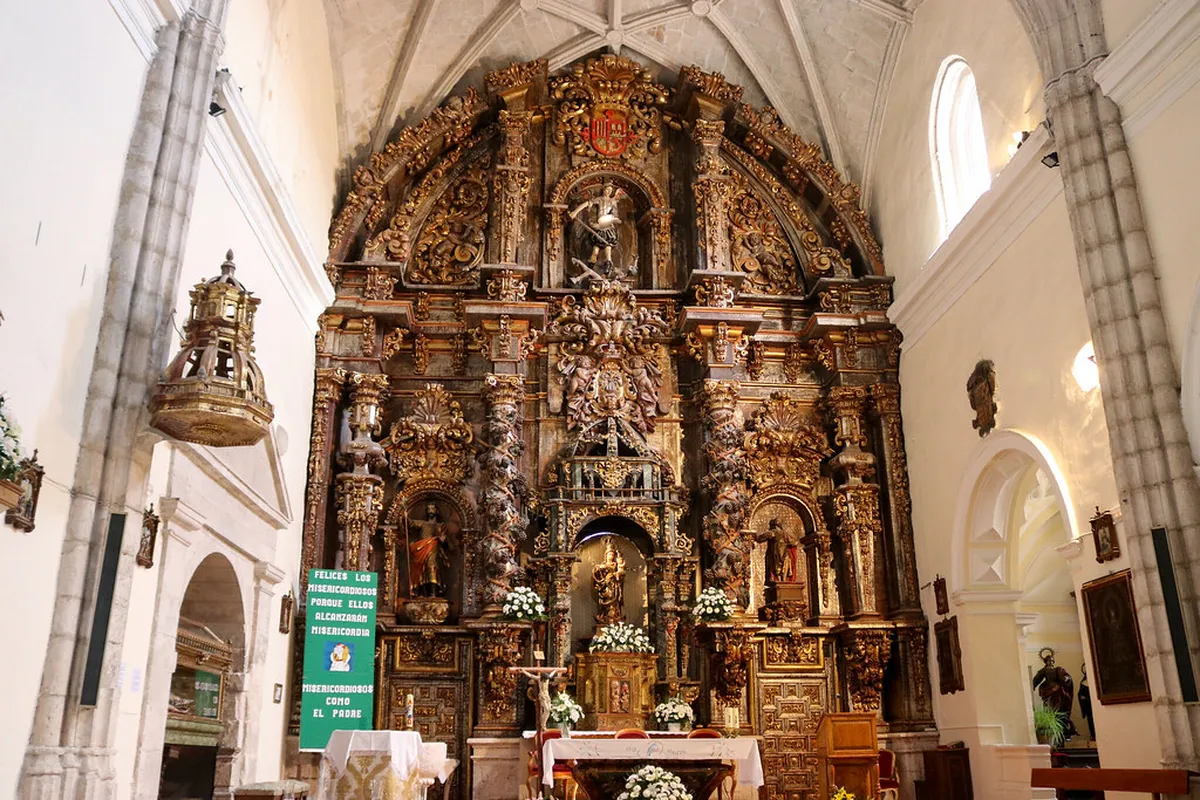
Ribbed vaults are another essential element you must find when identifying Gothic architecture in Beaune. These interior stone skeletons allowed builders to create high ceilings without using excessively thick supporting walls. You can observe these beautiful patterns by looking up inside the town's larger historic halls. The intersection of the stone ribs creates a visually stunning and structurally sound ceiling design.
Look closely at the window tracery to see how masons created complex geometric patterns with limestone. These designs often resemble petals, flames, or intricate lace when viewed from the street level below. They provide a sense of lightness to the heavy stone buildings that dominate the local landscape. Many of these windows still hold their original shape despite the passage of many centuries.
These decorative elements were often a sign of great wealth and status during the 15th century. Wealthy wine merchants funded these additions to show their success to the rest of the local community. Today, these details provide a clear map of the town's most prosperous historical eras and districts. Finding these intricate carvings is a highlight of any architectural walking tour through the city.
- Look for thin stone bars called mullions.
- Identify the curved shapes known as mouchettes.
- Notice the floral patterns called trefoils and quatrefoils.
- Observe how light passes through these complex openings.
The Grandeur of the Historic Hospices de Beaune
The Hospices de Beaune stands as a primary location for identifying Gothic architecture in Beaune. This site displays a perfect mix of stone masonry and colorful glazed tile roof patterns. Nicolas Rolin founded this hospital in 1443 to provide care for the poor after the war. The Hospices de Beaune architecture showcases the transition between late Gothic and early Renaissance styles.
Entry for an adult visitor typically costs around 12 Euros during the 2025 tourist season. This price includes access to the stunning courtyard where you can see the best architectural features. The timber-framed galleries provide a unique contrast to the heavy stone walls of the main building. Look for the ornate lead weather vanes perched high atop the steeply pitched roof peaks.
The Great Hall of the Poor features a massive wooden barrel vault ceiling with painted beams. This interior space demonstrates the Gothic desire for large and airy rooms that felt open and bright. Large windows allow natural light to flood the hall where patients once rested in their wooden beds. You can still feel the historical significance of this charitable institution as you walk through.
Observe the stone carvings on the exterior walls that face the quiet inner courtyard of the complex. Many of these carvings depict religious figures or protective spirits intended to watch over the sick. The attention to detail in these sculptures shows the dedication of the medieval craftsmen who worked here. Each stone tells a story of the compassion and faith that defined this unique hospital.
Be sure to photograph the colorful roof tiles from the center of the large open courtyard. These tiles create geometric patterns that have become a global symbol for the entire Burgundy region. While the tiles are a local specialty, the underlying structure remains firmly rooted in Gothic traditions. This building is undoubtedly the most famous architectural landmark within the town's historic fortified walls.
Exploring Gothic Religious Details in Local Parish Churches
The Collégiale Notre-Dame is another essential stop for anyone identifying Gothic architecture in Beaune. While the foundation is Romanesque, the church received many Gothic updates over the following several hundred years. You can see large stained-glass windows that utilize the pointed arch to create a radiant interior. These windows depict scenes from the life of the Virgin Mary and local religious history.
Walk around the exterior to see the flying buttresses that support the high stone walls. These external supports allowed architects to build taller structures with thinner walls and much larger windows. They are a classic hallmark of the Gothic style that transformed European cathedral building forever. Notice how these stone arms reach out from the main building to meet the ground firmly.
The interior choir stalls feature intricate wood carvings that reflect the Gothic artistic style of the 15th century. These carvings often show daily life, animals, and religious symbols in great and surprising detail. Spend time sitting in the pews to appreciate the vertical scale of the vaulted stone ceiling. The acoustics of these high spaces were designed to make choral music sound heavenly and powerful.
Look for the small side chapels that wealthy families added to the main church over several decades. Each chapel often features its own unique Gothic decorative elements and private burial monuments. These additions show how the Gothic style evolved and changed during the town's long historical development. Many of these spaces contain hidden gems of medieval art and fine stone craftsmanship.
The church is generally open to the public for free visits throughout the 2025 calendar year. Please respect the local worshipers and ongoing religious services while you explore the historic architectural details. Taking a quiet moment to observe the play of light is a wonderful travel experience. This building remains the spiritual heart of the community and a testament to medieval engineering.
Medieval Elements Found in Private Historical Townhouses
Many private residences in Beaune still hide Gothic secrets behind their heavy wooden doors and stone walls. Look for tall stone towers that were once used to house grand internal spiral staircases. These towers were often built to show off the status of the wealthy merchant families living there. You can spot these structures by looking above the rooflines of the regular town houses.
Searching for these hidden gems is easy if you explore the streets near the old clock tower. Many of the oldest buildings in Beaune France feature small Gothic windows with heavy stone frames. You might also see half-timbered walls on the upper floors of these very old residential buildings. This combination of wood and stone was very common during the 15th and 16th centuries.
Observe the decorative ironwork on the doors and windows of these historic private Burgundy homes. Many of the original hinges and handles were forged to match the ornate Gothic aesthetic of the time. These small details provide a glimpse into the daily lives of the people who lived here. You can find these treasures by wandering away from the main tourist paths and squares.
Many houses also feature small niches built into the exterior walls for religious statues or lanterns. These features are typical of the Gothic period when public lighting and religious devotion were very important. While many statues are now missing, the decorative stone frames remain as a permanent historical record. These residential details add a layer of human history to the grander public architectural style.
Deciphering the Gargoyles and Grotesques of Ancient Beaune
Gargoyles serve both a functional and decorative purpose on the many Gothic buildings in Beaune. These carved stone figures act as rain spouts to move water away from the building walls. You will often see them shaped like mythical beasts, scary monsters, or strange human figures. They are perched high on the corners of roofs and along the edges of stone gutters.
Grotesques are similar to gargoyles but they do not have the functional water spout feature. These carvings were purely decorative and intended to ward off evil spirits or provide visual entertainment. You can find them tucked into corners or sitting on top of stone pillars around the town. Identifying Gothic architecture in Beaune is much more fun when you look for these small characters.
The best examples of these carvings are found on the exterior of the Hospices and the main church. Use a pair of binoculars to see the fine details in the faces of these stone creatures. Many of them have unique expressions that range from terrifying to humorous and even quite silly. They reflect the creative freedom that medieval stone masons enjoyed while working on these massive projects.
Notice how these figures are integrated into the overall structural design of the ancient stone buildings. They provide a break in the straight lines of the walls and add a sense of life. These carvings have withstood centuries of weathering and remain surprisingly clear and detailed today in 2025. They are a favorite subject for photographers looking to capture the unique spirit of the city.
Frequently Asked Questions
Where is the best place for identifying Gothic architecture in Beaune?
The Hospices de Beaune is the premier location for seeing Gothic design in the city. You can view the stunning courtyard and the great hall for a small entry fee. The Collégiale Notre-Dame also offers excellent examples of Gothic arches and buttresses for visitors.
What are the three main signs of Gothic architecture here?
The three main signs are pointed arches, ribbed vaults, and flying buttresses. You will also see decorative stone tracery in the windows and gargoyles on the roofs. These features help distinguish Gothic buildings from earlier Romanesque or later Renaissance styles easily.
Can I see Gothic buildings in Beaune for free?
Yes, you can see many Gothic facades and church interiors for free while walking the streets. The exterior of the townhouses and the main parish church are open to the public. Booking a walking tour Beaune architecture can also help you find hidden spots.
Why does Beaune have so much Gothic architecture?
Beaune was a wealthy center for the Dukes of Burgundy during the 15th century. This wealth allowed for the construction of grand hospitals, churches, and private residences in the latest style. The town's preservation efforts have kept these beautiful structures intact for centuries.
Are there gargoyles on the buildings in Beaune?
Yes, many of the older stone buildings feature unique gargoyles and grotesque carvings. You can find them on the Hospices de Beaune and the Collégiale Notre-Dame church exterior. They are often shaped like mythical creatures and serve as historic rain spouts.
Identifying Gothic architecture in Beaune provides a wonderful way to connect with French history. From the famous tiled roofs to the hidden courtyards, every corner offers a new discovery. Use these tips to enhance your next visit to this beautiful Burgundy town in 2025. You will leave with a much greater appreciation for the skills of medieval master builders.
Key Takeaways
- Look for the pointed arch as your primary visual indicator.
- Visit the Hospices de Beaune to see high-style Flamboyant Gothic.
- Observe the exterior of churches to find structural flying buttresses.
- Explore side streets to find Gothic towers on private townhouses.
Related reads: streetartly.com, street art and architecture in beaune, renaissance architecture examples beaune france.