
Blois Architecture Photography Tips for 2025
Capture Blois' stunning architecture like a pro in 2025. Get expert photography tips, best spots, and gear advice. Elevate your Blois photos now!
On this page
Blois, France, offers a captivating blend of history and beauty. Its rich architecture provides endless photography opportunities. This guide shares Blois architecture photography tips for 2025. You will learn to capture its charm effectively. Discover how to highlight intricate details and grand facades. Let's make your Blois photos truly shine.
The city's diverse styles, from medieval to Renaissance, are truly remarkable. Understanding these elements enhances your photographic vision. Explore the historic architecture of Blois with your camera. Our expert tips will help you create stunning images.
Understanding Blois' Architectural Styles
Blois boasts a unique architectural tapestry. The Château de Blois showcases four distinct wings. These represent Gothic, Flamboyant, Early Renaissance, and Classical styles. Each era offers specific photographic challenges and rewards.
Renaissance buildings feature elegant symmetry and ornate details. Look for intricate carvings and decorative facades. These elements tell a story through their design. Focus on capturing these sophisticated patterns. Blois Renaissance architecture highlights are a photographer's dream.
The older parts of the city reveal medieval influences. Timber-framed houses line narrow, winding streets. These structures provide a rustic, timeless feel. Emphasize their quaint charm and unique textures. Consider shooting these areas during golden hour for soft light.
Modern architecture also exists within Blois. These contemporary structures offer stark contrasts. Juxtaposing old and new can create compelling images. Look for reflections or interesting lines. These elements add depth to your Blois photography portfolio.
Essential Photography Gear for Blois
Packing the right camera gear is crucial for success. A versatile zoom lens (e.g., 24-70mm) is highly recommended. This allows you to capture both wide shots and detailed close-ups. A wider prime lens (e.g., 20mm) is great for grand facades.
Consider bringing a sturdy travel tripod. It helps with low-light shots and long exposures. Tripods are essential for capturing sharp images. They also allow you to experiment with different shutter speeds. This is especially true for moving elements like clouds.
Don't forget extra batteries and memory cards. Photography days in Blois can be long. You don't want to miss a perfect shot. A lens cloth and cleaning kit are also vital. Keep your gear pristine for clear, crisp photos.
A polarizing filter can reduce glare from reflective surfaces. This includes windows or wet pavements. A remote shutter release minimizes camera shake. These accessories can significantly improve your image quality. Plan your gear wisely for your 2025 Blois trip.
Mastering Composition and Angles
Composition is key to stunning architecture photos. Use leading lines to draw the viewer's eye. Roads, paths, or building edges work perfectly. The eye follows these lines to the main subject. This creates a sense of depth and direction.
Experiment with different angles and perspectives. Get low to emphasize a building's height and grandeur. Shoot from a higher vantage point for unique compositions. Look for balconies or elevated spots. These can offer a fresh view of Blois' architecture. Learn how to photograph Blois historic buildings effectively.
The rule of thirds is a fundamental compositional guideline. Place your subject off-center for more dynamic photos. Avoid placing elements directly in the middle. This creates a more engaging and balanced image. Practice this technique often.
Look for reflections in puddles or windows. These can add an artistic touch to your shots. Frame your subject using natural elements. Archways or trees can provide interesting foregrounds. Play with symmetry and patterns in Blois' designs. Break them strategically for impact.
Leveraging Natural Light for Impact
Light profoundly impacts architectural photography. The golden hour is shortly after sunrise and before sunset. This light provides a warm, soft glow. It beautifully highlights textures and creates long shadows. Plan your shooting schedule around these times.
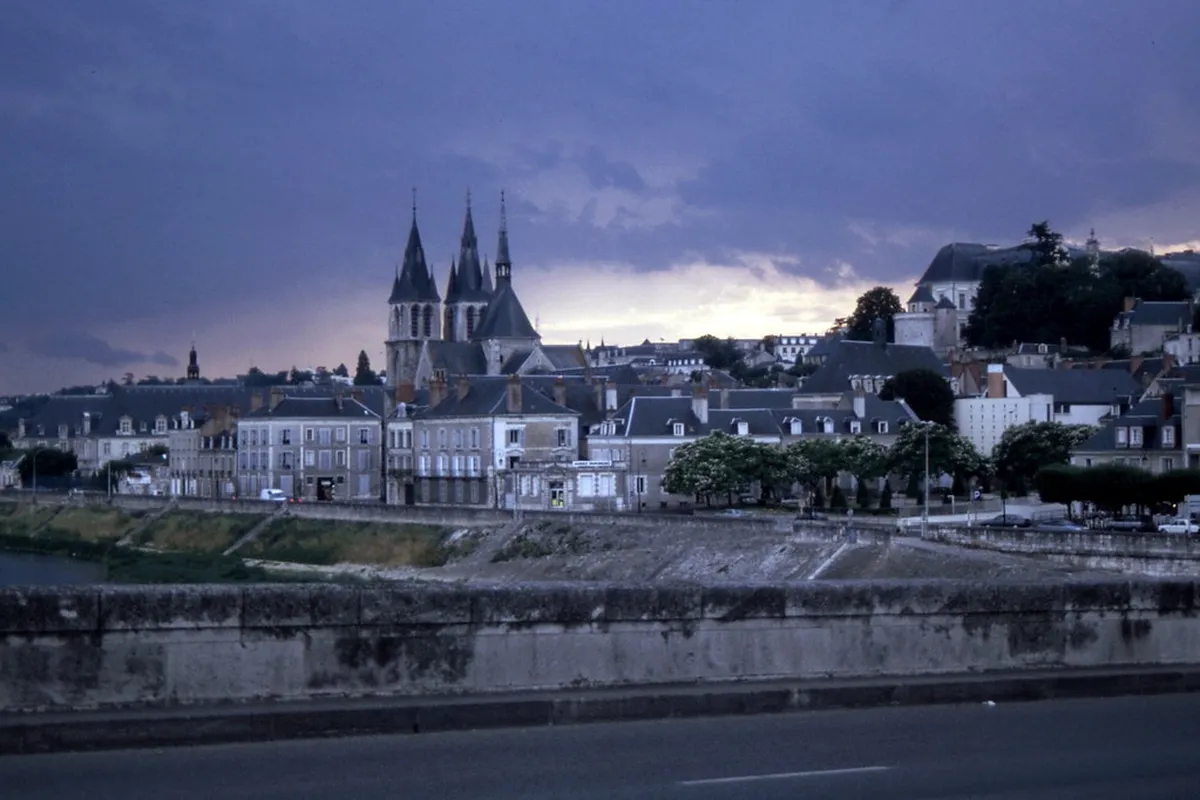
The blue hour occurs just after sunset or before sunrise. The sky takes on a deep, ethereal blue. City lights begin to twinkle, adding magic. This creates a dramatic contrast with illuminated buildings. It is perfect for capturing Blois at twilight.
Midday sun can be harsh and create strong shadows. It can also flatten the appearance of buildings. However, strong sunlight emphasizes contrast. It also brings out details in brightly lit areas. Use this time for interior shots or shaded courtyards.
Overcast days offer soft, diffused light. This light minimizes harsh shadows. It provides even illumination across buildings. This weather is excellent for capturing intricate details. Colors appear richer and more saturated. Adapt your approach to the prevailing light conditions.
Top Spots for Blois Architecture Photos
The Château de Blois is an absolute must-visit. Its diverse architectural styles are perfect. Focus on its famous exterior staircase. Capture the detailed carvings and royal emblems. Explore its inner courtyards for unique perspectives. Find more details on Château de Blois architecture.
Saint-Louis Cathedral offers magnificent Gothic architecture. Its soaring spires and stained-glass windows are impressive. Photograph its grand facade from different angles. Capture the intricate details of its entrances. The interior provides stunning light play.
The Pont Jacques Gabriel spans the Loire River. This bridge offers iconic views of Blois. Frame the city skyline with the river in the foreground. Visit during sunrise or sunset for spectacular light. This is one of the best photography spots in Blois. The bridge itself features elegant arches and historic character. Learn more about Blois bridge architecture history.
Wander through the old town's cobblestone streets. Discover hidden courtyards and charming alleys. Look for half-timbered houses and historic doorways. These smaller details contribute to Blois' unique character. Every corner reveals a new photographic opportunity.
Post-Processing Your Blois Architecture Photos
Editing is a vital step in architectural photography. Start by correcting lens distortions. Wide-angle lenses often introduce barrel distortion. Software like Lightroom or Photoshop can easily fix this. Straightening vertical lines is also crucial.
Adjust your white balance for accurate colors. Blois' stone buildings benefit from slight warmth. Enhance shadows and highlights to bring out detail. Be careful not to overdo these adjustments. Subtlety is often more impactful.
Sharpen your images to make details pop. Use local adjustments to enhance specific areas. For example, brighten a dark archway. Carefully boost saturation and vibrance. This can make colors more vivid without looking artificial. Aim for a natural, polished look.
Consider cropping your image for stronger composition. Remove distracting elements from the edges. Experiment with different aspect ratios. Finally, save your photos in high resolution. This preserves quality for printing or online sharing. Practice these techniques to perfect your Blois architecture shots.
Frequently Asked Questions
What are some hidden gems for Blois architecture photography?
Explore the smaller streets around the cathedral. You will find charming medieval courtyards. The Escalier Denis Papin offers unique city views. Seek out the Rue Pierre de Blois for interesting facades. These spots reveal hidden architectural gems.
When is the best time of year to photograph Blois architecture?
Spring (April-May) and Fall (September-October) are ideal. The weather is pleasant and crowds are smaller. Spring offers blossoming flowers. Fall showcases beautiful autumn colors. Summer can be busy but provides long daylight hours.
What camera settings are best for Blois' historic buildings?
Use a low ISO (100-400) for minimal noise. An aperture of f/8 to f/11 ensures sharp details. This keeps the entire building in focus. Shutter speed depends on light conditions. Use a tripod for slower speeds. Prioritize detail and clarity.
Blois truly offers a photographer's paradise in 2025. Its diverse architecture demands careful consideration. Apply these Blois architecture photography tips for stunning results. Pay attention to light, composition, and detail. Your images will tell Blois' captivating story. Grab your camera and explore this beautiful French city!
Key Takeaways
- Plan your shoots around golden and blue hours for best light.
- Utilize a versatile lens and a sturdy tripod for sharp images.
- Master composition techniques like leading lines and the rule of thirds.
- Post-process carefully to correct distortion and enhance details.
- Explore both famous landmarks and hidden alleys for diverse shots.