
Clermont-Ferrand Architectural Innovation Tour: 2025 Guide
Take a Clermont-Ferrand architectural innovation tour. Discover modern design and bold structures in 2025. Start your urban exploration in France today!
On this page
Clermont-Ferrand is a city defined by its dramatic volcanic heritage and modern industrial spirit. Most visitors come to see the dark spires of the ancient black lava cathedral. However, a Clermont-Ferrand architectural innovation tour reveals a surprisingly futuristic side to the city. In 2025, the urban landscape features a bold mix of glass, steel, and light. This itinerary focuses on the modern architecture Clermont-Ferrand offers to curious global travelers.
The city has transformed its industrial identity into a showcase for contemporary design and creative urbanism. Architects have spent decades integrating new materials with the traditional dark stone of the Auvergne region. This tour will guide you through the most significant buildings of the twenty-first century. You will see how sustainable planning and artistic vision create a unique French atmosphere. Prepare to explore a city where history and innovation coexist in perfect visual harmony.
This guide provides a structured walking path through the most innovative districts in the city center. We will look at corporate headquarters, cultural centers, and public spaces that redefine the skyline. Each stop offers a deep look into the creative minds shaping the future of France. You will find practical tips on timing, costs, and the best photography spots for 2025. Join us as we explore the innovative heart of this dynamic volcanic metropolis today.
Modern Design at the Michelin Headquarters
The Michelin headquarters at the Carmes site is a masterpiece of modern glass and steel design. Its massive glass facade acts as a transparent mirror reflecting the surrounding city and the sky. This project represents a major step in the Clermont-Ferrand architectural innovation tour for every visitor. The building serves as a welcoming gateway between the historic factory and the public urban space. Natural light floods the internal atrium through the high ceilings during the bright daylight hours.
The architects focused on creating a structure that feels light despite its massive physical scale. They used advanced thermal glass to regulate the temperature inside the building during the summer months. This choice reduces energy consumption while providing employees with a clear view of the outside world. The surrounding gardens include native plants that require minimal water throughout the entire growing season. You can visit the public square in front of the building for free at any time.
The reception area features interactive displays that explain the sustainable goals of the Michelin group today. Visitors can see how the company integrates industrial history with its vision for future green mobility. The plaza features modern benches and lighting that create a safe environment for evening walks. It is a perfect place to start your exploration of the local architecture history and contemporary growth. The building remains a symbol of the economic power and creative ambition of the region.
If you want the best photos, visit during the golden hour just before the sun sets. The glass reflects the orange and purple hues of the Auvergne sky with incredible visual clarity. Most locals gather here to enjoy the open space and the peaceful atmosphere near the water. The site is easily accessible by the modern tramway system that runs through the city. You should spend at least forty minutes exploring the various angles of this massive landmark.
The Bold Style of the Comédie de Clermont
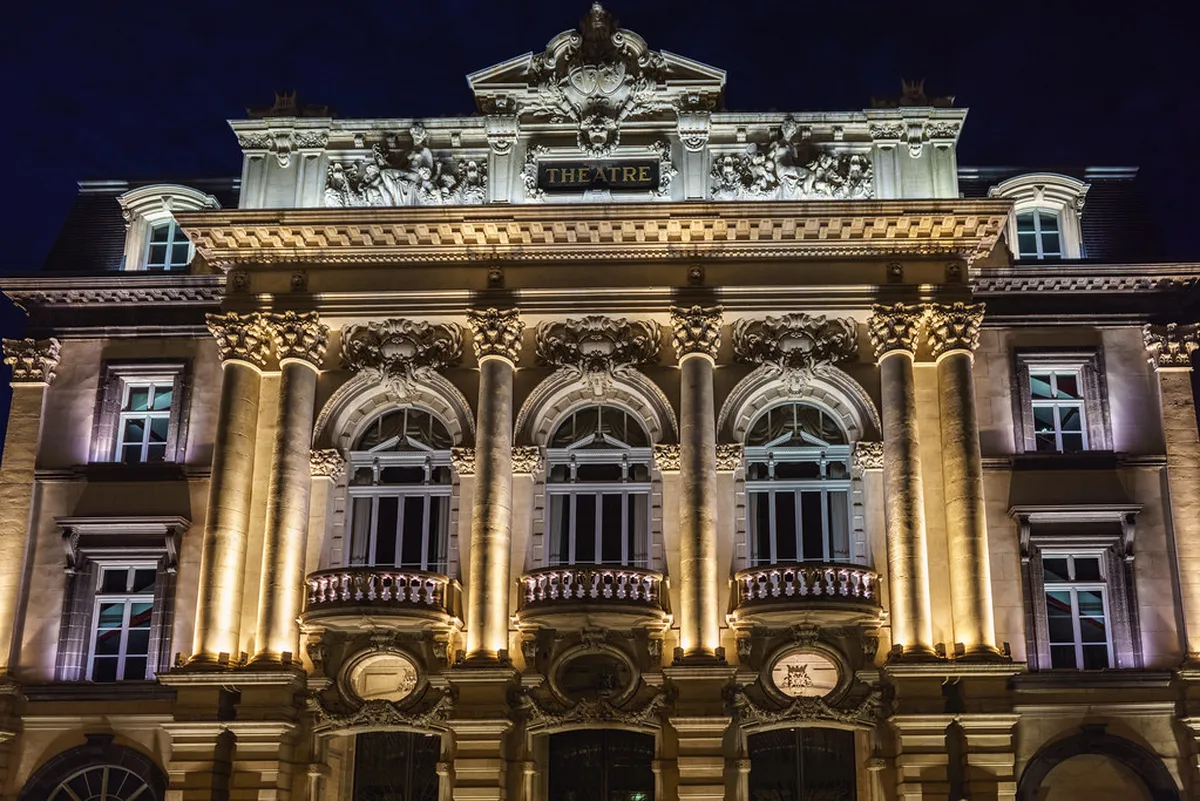
The Comédie de Clermont-Ferrand is a stunning example of how to repurpose an old industrial building. Architect Eduardo Souto de Moura transformed a former bus station into a world-class performance venue. This site is a highlight of any Clermont-Ferrand architectural innovation tour due to its minimalist style. The design preserves the original concrete shell while adding modern glass and wood internal elements. It creates a stark contrast between the heavy industrial past and the light cultural future.
Inside the theater, the use of raw concrete provides excellent acoustics for plays and musical concerts. The main hall features comfortable seating and state-of-the-art lighting systems for a premium visitor experience. Large windows in the foyer allow the city lights to become part of the interior decor. It is one of the most notable modern structures found in the heart of the city today. Tickets for shows usually range from twenty to forty euros depending on the seasonal schedule.
The exterior of the building features a large public terrace with views of the cathedral spires. This space connects the theater to the street, making the building feel open to everyone. You can enjoy a coffee at the on-site bar while admiring the clean lines of the design. The minimalist approach proves that simple materials can create a very powerful and lasting artistic impact. It is a must-see for anyone interested in the intersection of history and modernism.
The building is located near the Jardin Lecoq, making it a convenient stop during a day walk. You can walk around the perimeter to see the clever ways the architect handled the slopes. The entrance is marked by a large canopy that protects guests from the rain during winter. Evening performances often bring the glass facade to life with vibrant internal lighting and busy crowds. This structure shows how the city respects its heritage while embracing the boldest global designs.
Sustainable Features of the Jardin Lecoq Library
The library located at the edge of Jardin Lecoq is a triumph of sustainable contemporary architecture. Gaby Vallejo designed this building to blend seamlessly with the lush greenery of the nearby public park. It uses massive glass walls to create a visual bridge between the indoor books and outdoor trees. This transparency allows readers to feel connected to nature while they study in a quiet environment. The building serves as a central hub for students and researchers living in the university district.
Wood is a primary material used in the interior to create a warm and inviting atmosphere. The architects selected local timber to support the regional economy and reduce the total carbon footprint. Smart ventilation systems use the natural breeze from the park to cool the rooms during the summer. This library is a key part of the modern urban planning found throughout the entire city. Access to the building is free for all visitors who want to browse the collections.
The upper floors offer peaceful reading corners with panoramic views of the volcanic peaks in the distance. Many people visit just to see the way the light filters through the leaves and the glass. The building also features underground storage for thousands of rare books and historical local documents. It represents the commitment of the city to education and high-quality public infrastructure in 2025. You will find several charging stations for your laptops and mobile devices in the study areas.
A small cafe near the entrance serves organic snacks and fair-trade coffee to the local visitors. The library is open from Tuesday to Saturday, with shorter hours during the summer holiday season. It is a quiet oasis where you can escape the noise of the busy city streets. The surrounding park features statues and fountains that complement the modern aesthetic of the library building. This site proves that modern innovation can be gentle, quiet, and deeply connected to the earth.
Innovative Urban Transit and Place de Jaude
Place de Jaude has undergone a massive transformation to become a modern pedestrian-friendly center for the local community. The renovation introduced high-quality granite paving and a state-of-the-art tramway system that crosses the square. This area is the beating heart of any Clermont-Ferrand architectural innovation tour during the busy day. The tramway uses a unique single-rail system that allows for smooth movement through narrow historic streets. It is an efficient and eco-friendly way to travel across the various districts of the city.
The square features modern water fountains that dance with light during the warm summer evenings in France. Architects designed the space to host large public events while maintaining a sense of human scale. You will see several contemporary buildings that house major retail stores and luxury hotels around the perimeter. These structures use modern materials like polished metal and dark stone to match the local volcanic theme. The contrast between the old statues and the new transit lines is visually striking.
The tramway stations feature sleek glass shelters with digital screens providing real-time travel information to passengers. Riding the tram costs less than two euros and offers a great view of the urban changes. The tracks are lined with green grass in many areas to improve the drainage of rainwater. This detail shows how the city integrates nature into the most functional parts of the transit network. Place de Jaude remains the most popular meeting point for both locals and international travelers.
You can find several underground parking garages that keep cars away from the beautiful surface pedestrian zones. This design choice makes the square much safer and quieter for families and tourists exploring the area. The lighting at night is designed to be energy-efficient while highlighting the beauty of the facades. In 2025, the square continues to evolve with new smart benches and digital tourist information kiosks. It is a perfect example of modern urbanism that prioritizes the experience of the individual person.
Creative Spaces at the Coopérative de Mai
The Coopérative de Mai is a premier contemporary music venue located in an old industrial district. Its design features industrial metal cladding that pays tribute to the factory history of the local neighborhood. This building has become a cultural icon for the youth and the creative community of the city. The architects created a flexible space that can host intimate club shows or large-scale concerts. It stands as a symbol of the successful cultural regeneration of the northern part of town.
The interior layout maximizes the floor space to allow for better visibility from every single angle. State-of-the-art sound systems ensure that every performance sounds professional and clear for the excited audience members. The venue also includes rehearsal spaces for local bands to develop their musical skills and creative projects. This focus on the local community makes the building more than just a simple performance hall. It is a living part of the social fabric of the entire Clermont-Ferrand region.
The Polydome center is located right next door and features even more modern glass architecture and event space. Together, these buildings create a massive hub for trade fairs, exhibitions, and international cultural festivals. The area is easily reachable by the tramway, which stops directly in front of the main entrance. You can find many small bars and creative studios in the streets surrounding this vibrant cultural zone. It is a great place to see the more industrial and raw side of modernism.
In 2025, the venue plans to host several international acts that will draw crowds from across France. The outdoor plaza often hosts food trucks and small street markets during the popular summer festival season. You should check the online schedule before your visit to see if a concert is planned. The architectural style here is much more aggressive and modern than the soft lines of the library. It provides a necessary balance to the more traditional and historic parts of the city center.
Frequently Asked Questions
What is the most iconic building on a Clermont-Ferrand architectural innovation tour?
The Michelin headquarters at the Carmes site is the most iconic modern building in the city. Its massive glass facade and sustainable design make it a landmark for innovation in 2025. You can visit the public plaza to see how it reflects the surrounding urban landscape.
Are there any eco-friendly buildings to visit in Clermont-Ferrand?
Yes, the library at Jardin Lecoq is a prime example of sustainable design. It uses natural light, local timber, and passive ventilation to reduce its environmental impact. The tramway system also contributes to the green goals of the modern city planning.
Is the modern architecture tour in Clermont-Ferrand free?
Most of the exterior sites and public squares on the tour are completely free to visit. You can admire the Michelin HQ and Place de Jaude without spending any money at all. Some cultural venues like the Comédie may require a ticket for interior shows.
How long does it take to see the main modern buildings?
A comprehensive walking tour of the modern sites usually takes about three to four hours. You can use the tramway to move between the different districts much faster than walking alone. This allows more time to photograph the structures during the best daylight hours.
Clermont-Ferrand is a city that successfully bridges the gap between its volcanic past and its innovative future. A Clermont-Ferrand architectural innovation tour shows the world that this city is much more than just historic stone. From the glass walls of Michelin to the concrete curves of the Comédie, the design is world-class. In 2025, the city remains a top destination for those who love modern urbanism and sustainable design. Plan your visit today to see how creativity is reshaping the heart of central France. You can start your journey by visiting the clermont-ferrand art cultural centers for more inspiration.
Key Takeaways
- Visit the Michelin Headquarters for stunning glass architecture.
- Explore the repurposed Comédie theater for minimalist design.
- Use the eco-friendly tramway to travel between the modern districts.
- Enjoy the sustainable design of the library at Jardin Lecoq.
- See the modern transformation of Place de Jaude at night.
Related reads: streetartly.com, street art and architecture in clermont ferrand, clermont ferrand street art guide.