
Clermont-Ferrand Graffiti History Exploration Guide
Discover the best Clermont-Ferrand graffiti history exploration tips for 2025. Learn about local artists and find hidden urban murals in France today.
On this page
Clermont-Ferrand graffiti history exploration reveals a vibrant world hidden within the heart of central France. This historic city is famous for its dark volcanic stone and stunning gothic cathedral architecture. In 2025, the urban art scene continues to evolve through colorful murals and hidden stencils. Visitors can explore many layers of creative expression while walking through the charming old streets.
You will find incredible murals painted on dark lava stones throughout the historic center this year. Walking through these streets reveals how local artists transformed public spaces into beautiful outdoor galleries. The contrast between the black stone and the bright spray paint creates a very unique atmosphere. Every mural tells a specific story about the heritage and the future of this industrial town.
The Origins of Clermont-Ferrand Graffiti History Exploration
During the 1980s, the first signs of urban art began appearing on the city's concrete walls. Local teenagers used spray paint to express their thoughts and feelings about the changing world around them. These early works were often simple tags or stylized signatures left in hard-to-reach urban locations. Over time, these simple marks evolved into complex pieces that challenged traditional ideas of public art.
The industrial zones of the city served as the perfect training ground for many aspiring painters. Large factory walls offered expansive canvases where artists could practice their techniques and refine their styles. You can still see traces of these historical efforts while visiting the old manufacturing districts today. These areas represent the raw and authentic beginnings of the local street art movement in France.
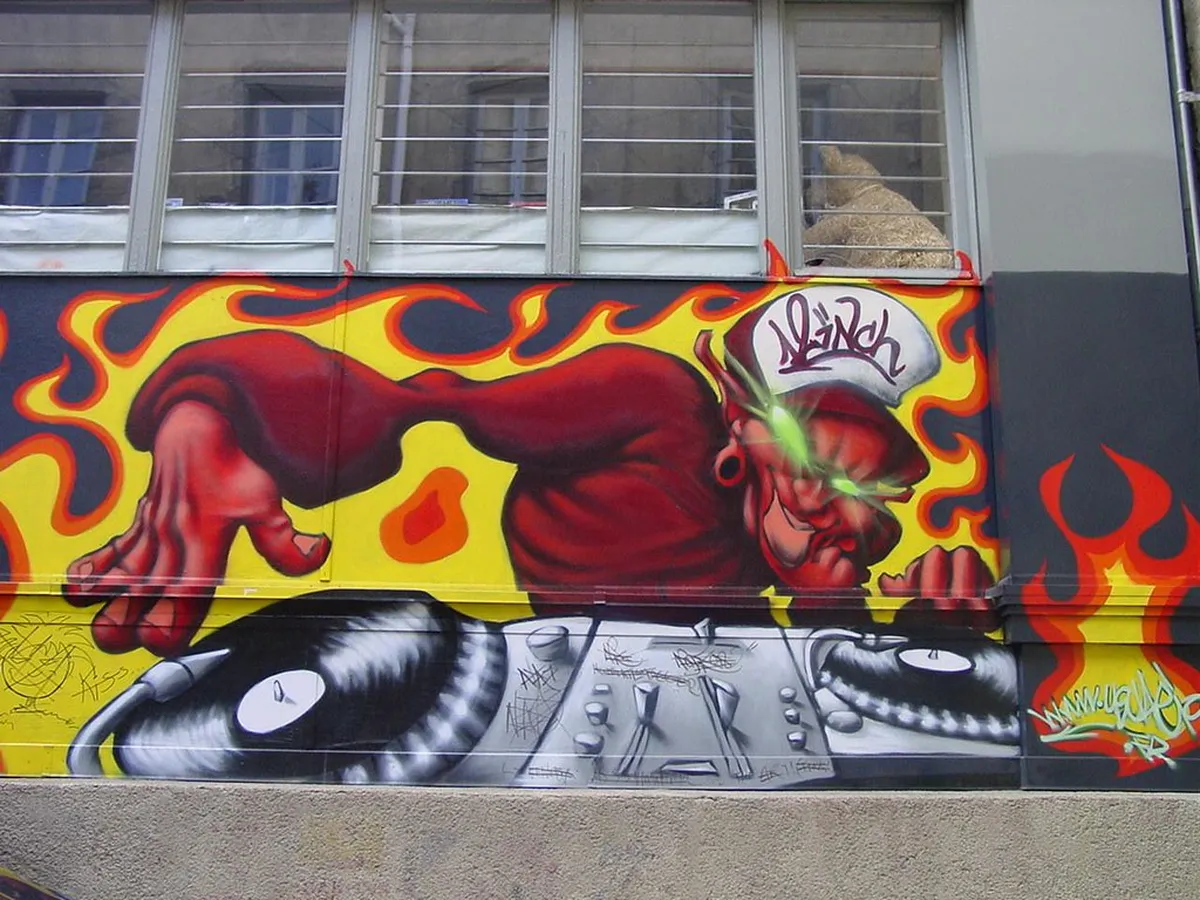
In the 1990s, the influence of international hip-hop culture reached the quiet streets of Clermont-Ferrand. Local creators began to experiment with vibrant colors and bold lettering styles from the New York scene. This period marked a significant shift toward more artistic and organized forms of urban visual expression. Artists began to focus on character design and complex color gradients within their large-scale pieces.
Many historical archives now catalog these early works to preserve the legacy of the first local artists. These documents show how the city identity changed as more murals appeared on its volcanic stone walls. Studying these records helps us appreciate the risks early creators took to share their unique visions. These pioneers paved the way for the professional artists who decorate the city streets today.
Volcanic Stone as a Unique Mural Canvas
The dark volcanic rock of the city creates a striking background for every piece of street art. Most artists enjoy working with the rough texture of the local stone known as Pierre de Volvic. This material is central to the Clermont-Ferrand architecture history and defines the visual mood. The deep grey tones of the buildings make bright spray colors pop with incredible visual intensity.
Contemporary muralists often choose their color palettes specifically to complement the natural darkness of the stone. This careful selection ensures that the artwork feels integrated into the historic fabric of the city. Many historical pieces have been preserved because the volcanic stone provides such a durable and solid surface. The porous nature of the rock allows the paint to bond deeply with the ancient building materials.
Exploring the narrow alleys allows you to see how ancient walls support modern artistic visions today. This intersection of history and modernity is a key feature of the local graffiti culture in 2025. Every corner in the old town tells a story of creative evolution through several layers of paint. Walking through these corridors feels like traveling through different eras of French artistic and urban development.
Artists often incorporate the natural cracks and patterns of the lava stone into their final designs. This technique adds a three-dimensional quality to the murals that is hard to find in other cities. It creates a sense of harmony between the geological history of the region and modern creativity. You can truly appreciate this unique blend while exploring the winding paths of the historic district.
The Rise of Professional Urban Muralism
By the early 2000s, the city started to recognize the value of high-quality urban mural art. Local authorities began to commission talented artists to decorate large building facades in the city center. This transition helped move graffiti from the shadows into the mainstream spotlight of the cultural scene. For a detailed list of these major works, consult our Clermont-Ferrand street art guide for 2025.
Professional muralism allowed artists to spend more time creating detailed and thought-provoking imagery for the public. Many of these large-scale projects focus on local legends or the natural beauty of the Auvergne volcanoes. Residents now take great pride in these massive artworks that have revitalized several neglected urban neighborhoods. These murals have become symbols of community identity and provide a sense of place for locals.
Visitors can spend several hours walking between these giant paintings while enjoying the local atmosphere. These murals serve as permanent landmarks that guide travelers through the diverse districts of the city. The scale of the work demonstrates the serious commitment that the city has toward modern art. Each piece reflects a professional standard that has elevated the reputation of the local creative community.
The shift toward professional muralism has also encouraged international artists to visit and work in the city. This global exchange has brought new techniques and perspectives to the local Clermont-Ferrand graffiti history exploration. You can now see a diverse range of global styles alongside the works of homegrown talents. This diversity makes the urban landscape even more interesting for art lovers and casual visitors.
Best Locations for Historic Art Seekers
The district around the Place de la Victoire is home to some very interesting hidden treasures. You can find small stencils and intricate paste-ups tucked away in the smaller side streets there. To find these spots, check our list of best street art locations Clermont-Ferrand for a complete map. Each location offers a different perspective on how the local art scene has developed over decades.
The area near the train station also features many colorful works that greet travelers upon their arrival. These pieces often reflect the transit theme and the movement of people through the urban space. Taking photographs of these walls is a popular activity for both tourists and local art enthusiasts. The station district serves as a welcoming gateway to the wider artistic offerings of the city.
Make sure to visit the university quarter to see the more experimental and youthful side of graffiti. Students and young artists frequently use these walls to test new ideas and share political messages. This neighborhood feels like a living museum that constantly changes with the arrival of new students. It provides a raw and energetic look at the future of urban art in France.
The neighborhood of Montferrand offers a quieter but equally rewarding experience for those seeking historical graffiti. Its medieval streets contain some of the oldest examples of spray-painted art in the entire metropolitan area. Exploring this district requires a keen eye to spot the faded pieces from the early nineties. These hidden gems are often found in quiet courtyards or behind old commercial buildings.
Annual Festivals and Local Cultural Impact
Several festivals throughout the year celebrate the creative spirit of the local urban art community. These gatherings bring together international artists and local talents to create new works in public. Attending Clermont-Ferrand art events is a great way to meet creators and learn about their methods. These festivals have helped legitimize street art as a respectable and important part of French culture.
The city becomes a massive open-air studio during these times, filled with the smell of fresh paint. You can watch artists work on massive lifts to reach the tops of five-story residential buildings. These events also include workshops where children can learn the basics of stencil art and design. Community participation is a core element of these celebrations and helps foster a love for creativity.
The cultural impact of these festivals extends far beyond the duration of the actual event itself. They leave behind a legacy of beautiful art that stays for years for everyone to enjoy. This ongoing support ensures that the graffiti history of the city continues to grow and flourish. Local businesses also benefit from the increased tourism that these colorful and vibrant events generate.
By hosting these festivals, the city demonstrates its forward-thinking approach to urban design and cultural tourism. It shows that ancient cities can remain relevant and exciting for younger generations of travelers. Each year brings new themes and challenges that keep the local art scene feeling fresh and dynamic. This cycle of creativity is what makes the city a top destination for street art.
Preserving the Heritage of Street Art
Preserving old graffiti presents a unique challenge for local historians and city planners in central France. Some early pieces are protected as part of the cultural heritage of the specific urban districts. Experts work to document these works before they fade away due to weather and sun exposure. This documentation process ensures that future generations can understand the roots of the local art scene.
Photographers play a vital role in capturing the ephemeral nature of these outdoor creative expressions. Digital archives now exist to store images of murals that have been painted over or destroyed. These records provide a fascinating timeline of the artistic changes within the city over forty years. They allow researchers to trace the development of individual artists and broader stylistic trends.
Balancing the need for new development with the desire to save old art is very difficult. The city tries to find a middle ground that allows for progress while respecting artistic history. This careful approach makes the city a model for other urban centers facing similar cultural challenges. It requires a deep understanding of both urban planning and the nuances of modern art.
The preservation of these works also helps maintain the unique character of the different city neighborhoods. It keeps the history of the people and their creative struggles alive on the public walls. Visitors can appreciate the layers of time that are visible in the many overlapping pieces of art. This commitment to heritage ensures that the city remains an important center for artistic exploration.
Frequently Asked Questions
Where can I find the oldest graffiti in Clermont-Ferrand?
Check the industrial areas near the old tire factories for the earliest spray-painted tags and signatures. These locations offer a raw look at the beginnings of the local art movement from the 1980s.
Are there guided tours for graffiti history in the city?
Yes, local guides offer walking tours that focus on the evolution of urban art and murals. These tours provide deep insights into the artists and the stories behind the most famous pieces.
Which local artists shaped the urban art scene?
Artists like Moter and Keymi are famous for their long-term contributions to the local street art community. Their work has influenced many younger artists and helped define the visual style of the city.
Is street art legal in Clermont-Ferrand for modern artists?
Many areas require official permission, but there are designated legal walls for free creative expression. The city supports murals through commissions and annual festivals to ensure high quality and safety.
Clermont-Ferrand graffiti history exploration offers an amazing journey through the creative soul of the city center. From early tags to massive modern murals, the urban landscape tells a story of constant transformation. Plan your visit in 2025 to see these incredible works of art for yourself in person. You will surely gain a new appreciation for the talented artists who have shaped this beautiful city.
Key Takeaways
- Discover the unique link between volcanic stone and street art.
- Visit industrial districts to see the origins of local graffiti.
- Participate in annual art festivals to see live mural painting.
Related reads: streetartly.com, street art and architecture in clermont ferrand, famous clermont ferrand murals walking tour.