
Colmar Architecture Walking Tour: A 2025 Guide
Explore Colmar with our architecture walking tour guide. See Petite Venise and historic gems in 2025. Start your Alsace adventure today!
On this page
Colmar is a stunning French city located in the beautiful heart of the Alsace region. This guide provides a detailed Colmar architecture walking tour for your next 2025 visit. You will explore the hidden secrets of the historic buildings while wandering the cobblestone paths. Every corner of this town reveals a new story about the rich history of France.
Walking through the old town allows you to appreciate the craftsmanship of ancient medieval builders. You will notice that many buildings feature intricate woodwork and colorful facades throughout the city. This self-guided path will help you navigate the most significant landmarks within the old town. Start your journey at the Customs House to begin this incredible architectural adventure today.
Colmar offers a unique blend of German and French architectural styles from many different eras. You can easily spend an entire day admiring the preservation of these remarkable ancient structures. Many of these houses have survived through centuries of conflict and remains perfectly intact now. This walking tour ensures you do not miss any of the legendary local sights.
Exploring Petite Venise Architecture
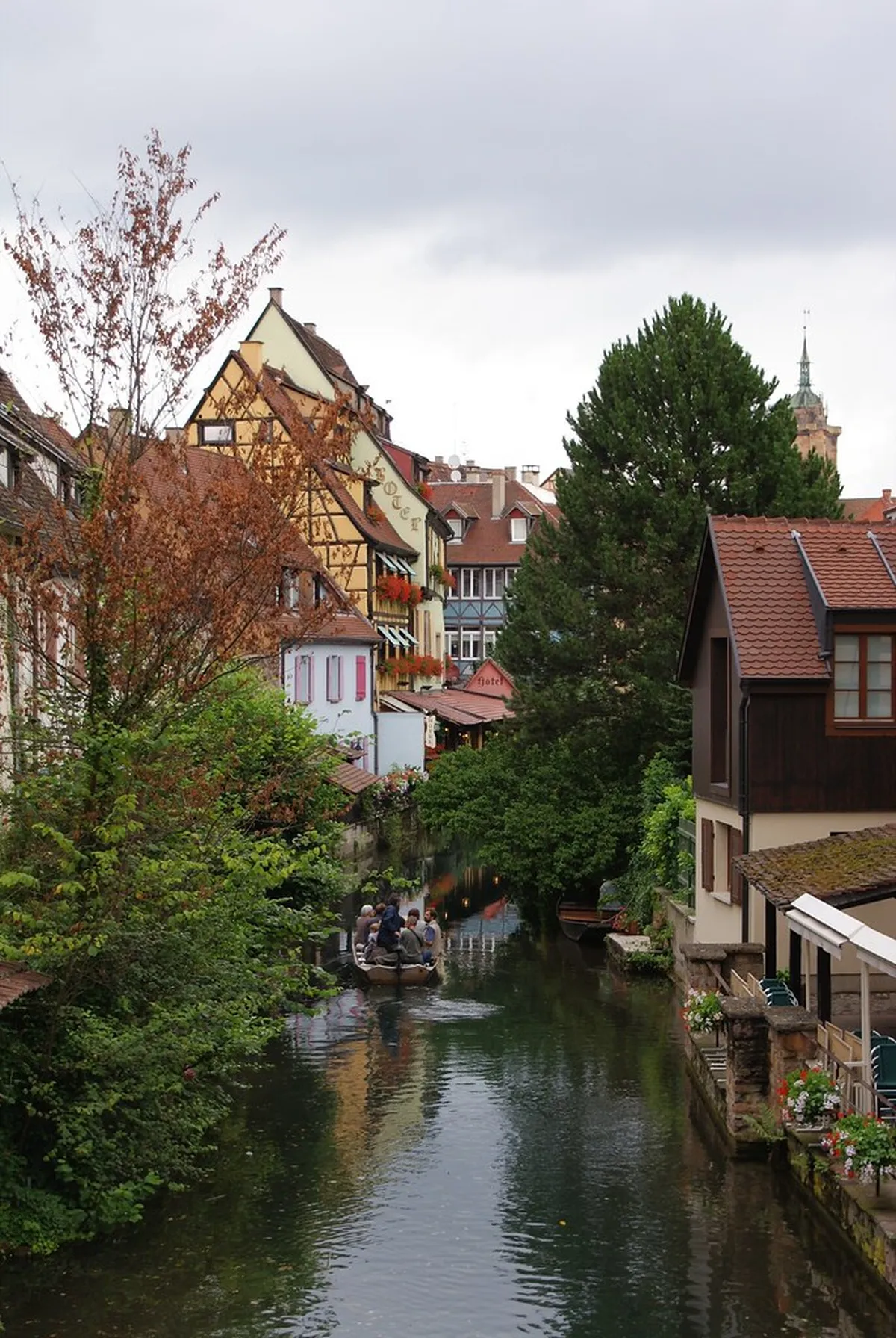
Start your morning in the stunning Petite Venise district to see the most famous views. This area features bright half-timbered houses lined perfectly along the peaceful Lauch River banks. These classic structures date back to the fourteenth century and showcase traditional local building techniques. You should arrive early to capture the best photos before the large tourist crowds arrive.
Notice the vibrant colors used on the timber frames of every house in this district. Historically, different colors signaled specific types of merchant shops located within the wooden buildings. Blue often represented a fishmonger while yellow usually indicated a baker lived in the house. These visual cues helped the local community identify services without needing to read many signs.
Walking through Petite Venise architecture feels like you are entering the pages of a storybook. The narrow bridges offer the most spectacular views of the structures and their water reflections. Photographers love this specific spot because the lighting is perfect during the early morning hours. It remains the most iconic and frequently photographed part of the entire historic city.
Observe the traditional wooden shutters installed on every window frame to protect the old wood. These shutters were designed to safeguard the interior from the harsh winter winds in Alsace. You will see beautiful flower boxes blooming during the spring and summer months in 2025. The combination of wood and flowers creates a charming atmosphere for every single visitor.
The local government maintains strict rules to ensure the preservation of these delicate historic landmarks. Owners must follow specific guidelines when they decide to paint or repair their ancient homes. This dedication to conservation is why Colmar looks so authentic after many hundreds of years. You will truly appreciate the effort required to keep this neighborhood looking so beautiful.
The Grand Renaissance Landmarks
The Maison des Têtes is a masterpiece of the German Renaissance style built in 1609. This building is famous for the one hundred and six small stone heads on it. These expressive faces decorate the facade and give the structure its very unique local name. It currently serves as a luxury hotel and a high-end restaurant for hungry visitors.
Continue your walk toward the Maison Pfister which represents the pinnacle of local Renaissance design. This house was built in 1537 for a wealthy hatter from the local community. It features a beautiful two-story corner oriel window and several painted murals on the walls. Consult a historic buildings Colmar guide to learn about the scenes depicted in the art.
The intricate paintings on the exterior walls show various biblical scenes and ancient secular figures. These artworks were intended to display the wealth and the education of the original owner. You can see the octagonal turret which adds a vertical elegance to the entire building. It is one of the most significant examples of architectural transition in the region.
Take a moment to look at the Koïfhus which served as the ancient customs house. This building was completed in 1480 and acted as the economic center of the town. The roof features beautiful glazed tiles that shimmer under the bright sun during the day. It represents the civic pride and the commercial success of the medieval merchants in Colmar.
The large courtyard inside the customs house often hosts local markets and seasonal festive events. You can walk through the stone arches to feel the history of the ancient trade routes. This building connected Colmar to the rest of the European world during the Middle Ages. It remains a focal point for community life and cultural celebrations in the city.
Gothic Splendor of Saint Martin Church
The Saint Martin Collegiate Church is the most dominant religious structure in the entire city center. Construction began in 1234 and continued for over one hundred years of focused building effort. It features a striking yellow limestone facade that glows during the late afternoon sunset hours. The Gothic architecture displays the spiritual importance of the church to the local people.
Look up at the unique lantern tower which was added to the church in 1572. This addition followed a major fire that destroyed the original roof of the ancient structure. The tower features a distinct shape that sets it apart from other cathedrals in France. It serves as a helpful landmark for navigating the narrow streets of the town.
The interior of the church contains several hidden architectural gems including beautiful stained glass windows. These glass panels date back to the thirteenth century and tell many religious stories. The height of the vaulted ceilings creates a sense of awe for every single visitor. It is a quiet place to reflect on the architectural achievements of the past.
Observe the sundial located on the exterior wall of the church near the main entrance. This ancient timekeeping device still functions accurately when the sun shines on the stone wall. It reminds us of how people tracked time before modern technology was invented in the world. The church remains an active place of worship for the local community in 2025.
Walk around the exterior to see the gargoyles designed to direct rainwater away from the walls. These decorative carvings also served as symbolic protectors of the sacred space from evil spirits. Each figure is unique and showcases the creativity of the stone masons from that era. The level of detail on these small statues is truly impressive to see.
Modern Art and Creative Influences
Colmar is not only about the distant past but also embraces modern artistic and creative influences. You can find several contemporary murals hidden in the less traveled alleys of the city. These artworks provide a sharp contrast to the medieval timbered houses found in the center. Use a Colmar street art map to find these modern masterpieces during your walk.
The Unterlinden Museum features a modern wing designed by the famous architects Herzog and de Meuron. This extension perfectly blends contemporary lines with the historic convent building located right next door. It houses the Isenheim Altarpiece which is a world-renowned treasure of the late Gothic period. The museum complex represents the successful marriage of old and new design philosophies today.
Visit the Bartholdi Museum to learn about the man who designed the Statue of Liberty. Auguste Bartholdi was born in Colmar and his childhood home is now a public museum. The building features a classic courtyard with several large sculptures created by the famous artist. It highlights the international impact of the artistic talent originating from this small French town.
Small boutique shops often feature modern interior designs within the shells of very old buildings. This contrast creates a unique shopping experience that you can only find in historic Colmar. Architects have carefully integrated modern steel and glass into the ancient stone and timber frames. This style respects the history while providing the functionality needed for modern retail business.
The municipal theater is another example of neoclassical design that stands out from the timbered houses. Built in the nineteenth century, it offers a grand facade with impressive columns and stone carvings. It serves as a reminder of the cultural expansion during the more recent history of France. You can catch a performance here to experience the local arts scene in person.
Planning Your Colmar Architecture Walking Tour
The best time to start your walking tour is at eight in the morning precisely. This timing allows you to see the buildings without hundreds of other tourists in your photos. Most of the historic sites are located within a short walking distance of each other. You will find that the city is very easy to navigate on foot alone.
Consider booking one of the best guided walking tours for a more in-depth educational experience. Local experts can provide detailed stories about the families who lived in these ancient homes. They often have access to private courtyards that are not open to the general public. These tours typically last about two hours and cover all the major architectural highlights.
Wear comfortable walking shoes because the cobblestone streets can be very uneven and quite slippery. Many areas are pedestrian-only zones which makes the walk safe and very enjoyable for families. Bring a bottle of water and take small breaks at the many local cafes. The costs for these small snacks are quite reasonable for most international travel budgets.
Check the weather forecast before you head out because rain can make the wood look darker. The colors of the houses appear most vibrant during the golden hour just before the sunset. Spring and fall offer the most comfortable temperatures for long walks through the historic town. Winter brings festive lights that transform the architecture into a magical holiday wonderland annually.
You should plan for at least three hours to complete the basic loop of the town. This timeframe allows you to stop and admire the small details on the wooden window frames. Take the time to read the plaques located on the walls of the major landmarks. This information will greatly enhance your understanding of the local history and culture.
Frequently Asked Questions
What are the most common Colmar architecture styles?
You will primarily see Gothic, Renaissance, and Baroque designs throughout the historic center of the town. The most famous style is the Alsatian half-timbered house which uses heavy wooden frames for support. These Colmar architecture styles reflect the cultural mix of French and German influences over centuries. Each era added a unique layer to the visual landscape of the city.
Is the architecture walking tour free to do?
Yes, you can walk through the streets and admire the building facades for no cost at all. Some museums and churches may require a small entry fee to see the interior spaces. Most visitors find that the best sights are actually the exteriors of the colorful houses. This makes Colmar an excellent destination for travelers who are on a tight budget.
Can I see the buildings in one day?
One day is plenty of time to see all the major architectural landmarks in the city center. The historic district is compact and very easy to explore without needing any public transportation. You can see the highlights in three hours if you walk at a steady pace. However, taking a full day allows you to enjoy the local food and shops.
Colmar is a living museum that offers a truly unique architectural experience for every visitor in 2025. This walking tour guide helps you discover the best timbered houses and grand monuments in France. You will leave with a deep appreciation for the history and the beauty of the Alsace. Start planning your trip today to see these incredible historic buildings with your own eyes.
Key Takeaways
- Arrive before 9 AM to avoid the largest crowds in Petite Venise.
- Look for the colorful timber frames that identify different merchant histories.
- Visit the Maison Pfister to see the best example of Renaissance design.
- Wear sturdy walking shoes to handle the ancient and uneven cobblestone streets.
Related reads: streetartly.com.