
Guide to Petite Venise Colmar Architecture
Explore the Petite Venise Colmar architecture in our 2025 guide. Learn about the colorful timber-framed houses and canal views in this French gem. Plan today!
On this page
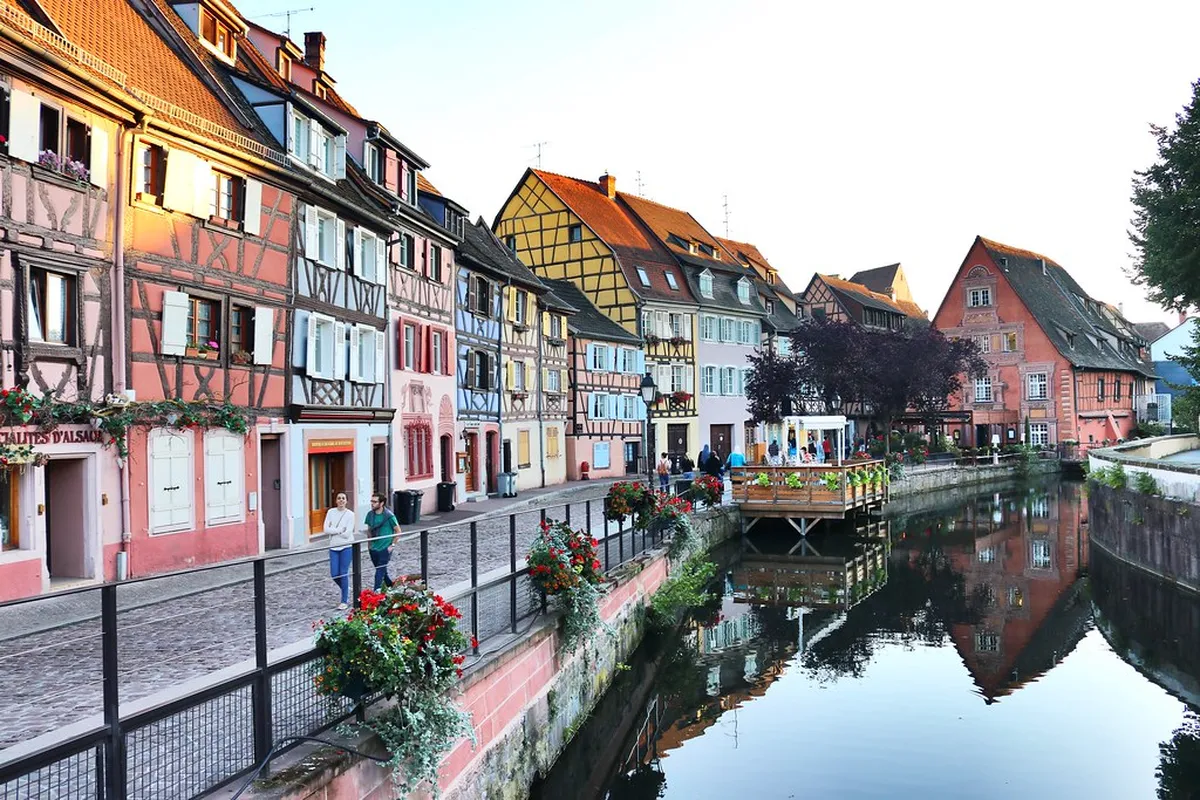
Colmar is a beautiful city in the heart of the French Alsace region. Many travelers visit to see the stunning Petite Venise Colmar architecture. This area feels like a living fairy tale for every visitor. The timber-framed houses line the banks of the Lauch River perfectly.
The district was once the center of the local fishmonger and tanner trades. Today, it stands as a preserved monument to historical European building styles. You can walk through narrow streets to see these colorful structures up close. It is truly one of the most photographed spots in France today.
Understanding the Petite Venise Colmar architecture requires a look at its rich history. Each building tells a unique story about the people who once lived here. You will see influences from both French and German design traditions throughout. This guide will help you discover all the hidden details in 2025.
Defining the Petite Venise Colmar Architecture Style
The main style found here is known as Alsatian timber-framing or half-timbering. These houses use heavy wooden beams to provide structural support for the walls. You can see these beams on the exterior of almost every building. Most of these structures were built between the 14th and 18th centuries.
The spaces between the wooden beams are filled with a mixture called wattle and daub. This traditional material helped keep the houses warm during the cold French winters. Many owners now use modern plaster to maintain the look of these historic homes. You should check out the Colmar architecture styles for more detail.
Many houses in Petite Venise feature steep roofs designed to handle heavy winter snow. These roofs often contain small windows known as dormers to let in natural light. The vertical lines of the timber frames create a sense of height. This design was practical for the narrow plots of land along the river.
The architectural rhythm of the district is defined by the repetitive patterns of the wood. Some beams are arranged in simple vertical lines while others form complex shapes. These shapes often had symbolic meanings for the original builders and owners. You can spend hours identifying the different patterns on the Quai de la Poissonnerie.
The houses are built very close together to maximize the available space near the water. This density creates the cozy and intimate atmosphere that tourists love so much. The ground floors were often used for shops or storage for boatmen. Upper floors served as living quarters for the families of the merchants.
The Symbolic Meaning of House Colors
One of the most striking features of Petite Venise is the vibrant house colors. These bright hues are not just for decoration or attracting modern tourists. In the past, the colors often indicated the profession of the homeowner. This helped illiterate citizens find specific shops or services in the city.
Blue houses often belonged to fishermen or those who worked with the local water systems. Red houses were frequently associated with blacksmiths or other trades involving fire and heat. Yellow houses were sometimes linked to bakers or those who sold grain products. You can learn more about Colmar Little Venice building styles and their origins.
Green was a color commonly used by those who worked in the textile industry. Tanners and weavers often chose these shades to represent their specific craft or guild. Today, the residents maintain these colors to keep the historical tradition alive for everyone. The city has strict rules about which colors owners can use on their homes.
The colors also served as a way to distinguish individual properties in a crowded area. Since there were no street numbers in the medieval era, colors were essential. A person might say they lived in the third blue house from the bridge. This made navigating the narrow streets of Colmar much easier for everyone.
In 2025, these colors provide the perfect backdrop for your travel photographs and memories. The reflection of the colorful walls in the Lauch River is a sight to behold. Morning light often makes the colors look even more vivid and exciting for visitors. Be sure to arrive early to avoid the largest crowds of the day.
Key Landmarks Along the Petite Venise Canals
The Quai de la Poissonnerie is perhaps the most famous street in the entire district. It was once the place where fishermen sold their catch to the local residents. The houses here are perfectly preserved and sit right on the edge of the water. You can find many great canal-side architecture in Petite Venise spots here.
Another important landmark is the bridge on Rue des Tanneurs which offers iconic views. From this vantage point, you can see the houses lining both sides of the river. This is the spot where most of the classic postcards of Colmar are taken. The perspective shows how the buildings lean slightly over the moving water below.
The Covered Market or Marche Couvert is a nearby building worth visiting for its design. It was built in 1865 using a mix of brick and cast iron materials. This structure represents a shift toward more industrial architectural styles in the 19th century. It still serves as a vibrant hub for local food and produce today.
The Krutenau district nearby also features many beautiful examples of the local building style. This area was historically inhabited by the gardeners and winegrowers of the city. You will find slightly larger plots of land and unique garden structures here. It is a quieter alternative to the main tourist path in Petite Venise.
Visitors should also look for the small boat docks that line the canal walls. These docks allowed merchants to load and unload goods directly from their flat-bottomed boats. Many of these stone steps and wooden platforms are still visible to tourists today. They provide a direct link to the commercial history of the Lauch River.
Photography Tips for Architectural Details
Capturing the Petite Venise Colmar architecture requires a bit of planning and patience. The best light for photography usually occurs during the golden hour in the morning. At this time, the sun illuminates the facades without creating harsh shadows on the wood. The water is often very calm, creating a perfect mirror reflection.
Use a wide-angle lens to capture the full scale of the houses along the canal. This allows you to include both the buildings and their reflections in the same frame. However, do not forget to zoom in on the smaller architectural details as well. Look for the best photo spots Colmar has to offer.
Focus your camera on the intricate carvings found on the corner posts of the houses. Many timber-framed buildings feature decorative elements that were carved by hand centuries ago. These details often represent religious figures, local legends, or family symbols of the owners. They add a layer of depth to your architectural photo collection.
Try shooting from a low angle near the water's edge for a unique perspective. This makes the houses look even more grand and imposing against the sky above. You can also use the bridges as natural frames for your architectural shots. Be mindful of other tourists who are also trying to capture the view.
Night photography in Petite Venise offers a completely different atmosphere for your travel portfolio. The city installs beautiful lights that highlight the textures of the wooden beams and plaster. The glow from the windows creates a warm and inviting feeling throughout the entire district. Use a tripod to ensure your long-exposure shots remain sharp and clear.
Practical Tips for Your 2025 Architecture Tour
A boat tour is the best way to see the architecture from the water. These tours usually cost around 7 euros per person and last about 30 minutes. The boats are flat-bottomed and can pass under the very low bridges in the district. It is a relaxing way to learn about the history of the buildings. Consider booking a Colmar architecture walking tour as well.
Walking is the most common way to explore the narrow streets and hidden alleys. Wear comfortable shoes as many of the paths are made of traditional cobblestones. These stones can be slippery when wet or uneven in certain historical areas. Most of the district is pedestrian-friendly and closed to regular car traffic during the day.
Petite Venise can get very crowded during the peak summer months of July and August. If possible, plan your visit for the spring or autumn to enjoy smaller crowds. The Christmas market season in December also brings many visitors to see the festive decorations. Early morning visits are always recommended regardless of the season you choose.
Many of the historic buildings now house restaurants, cafes, and small boutique shops. You can enjoy a meal inside a centuries-old timber house for a unique experience. Look for traditional Alsatian dishes like tarte flambee or choucroute while you are there. Many establishments offer outdoor seating right next to the canal for great views.
There are public restrooms located near the Covered Market for your convenience while exploring. Most of the main architectural sites are within a short ten-minute walk of each other. Bring a physical map or use a digital guide to ensure you do not miss any gems. The local tourism office also provides helpful brochures about the history of the city.
Frequently Asked Questions
Why is it called Petite Venise in Colmar?
The area is named after the Lauch River canals that run through it. These waterways reminded early travelers of the famous canals found in Venice, Italy. The name highlights the unique relationship between the city and its river system. You can see many boats on the water throughout the year.
How old is the Petite Venise Colmar architecture?
Most of the buildings in this district date back to the Middle Ages. You will find structures built between the 14th and 18th centuries. The timber-framed houses are remarkably well-preserved and maintain their original historic appearance. This long history makes the area a significant cultural landmark in France.
Are the houses in Little Venice still private residences?
Yes, many people still live in these historic timber-framed houses today. While some are shops or restaurants, others remain private family homes for local residents. Visitors should be respectful and quiet when walking through the residential parts of the district. It is important to preserve the peaceful atmosphere of the neighborhood.
Can I visit the interior of the timber-framed houses?
Most private homes are not open to the public for interior tours. However, you can visit many restaurants and shops to see the internal wooden structures. The Covered Market also allows you to see a different type of historic interior design. Many visitors find the interiors just as fascinating as the colorful exteriors.
The Petite Venise Colmar architecture is a true masterpiece of European design and history. From the colorful timber-framed houses to the peaceful canals, every corner offers something new. Plan your visit for 2025 to experience this fairy-tale district for yourself. You will leave with beautiful photos and a deeper appreciation for French heritage. Don't forget to check our historic buildings Colmar guide for more tips. Start your journey to Alsace today and see the magic of Colmar.
Key Takeaways
- Identify the symbolic meanings behind the vibrant house colors.
- Book a boat tour to see the timber-framed houses from the river level.
- Visit during the early morning to capture the best architectural photographs.
- Explore the Quai de la Poissonnerie for the most iconic views in the city.
Related reads: streetartly.com.