
Canal-Side Architecture in Petite Venise, Colmar Guide
Discover the stunning canal-side architecture in Petite Venise, Colmar. Learn about historic styles and top photo spots in this 2025 guide. Visit today!
On this page
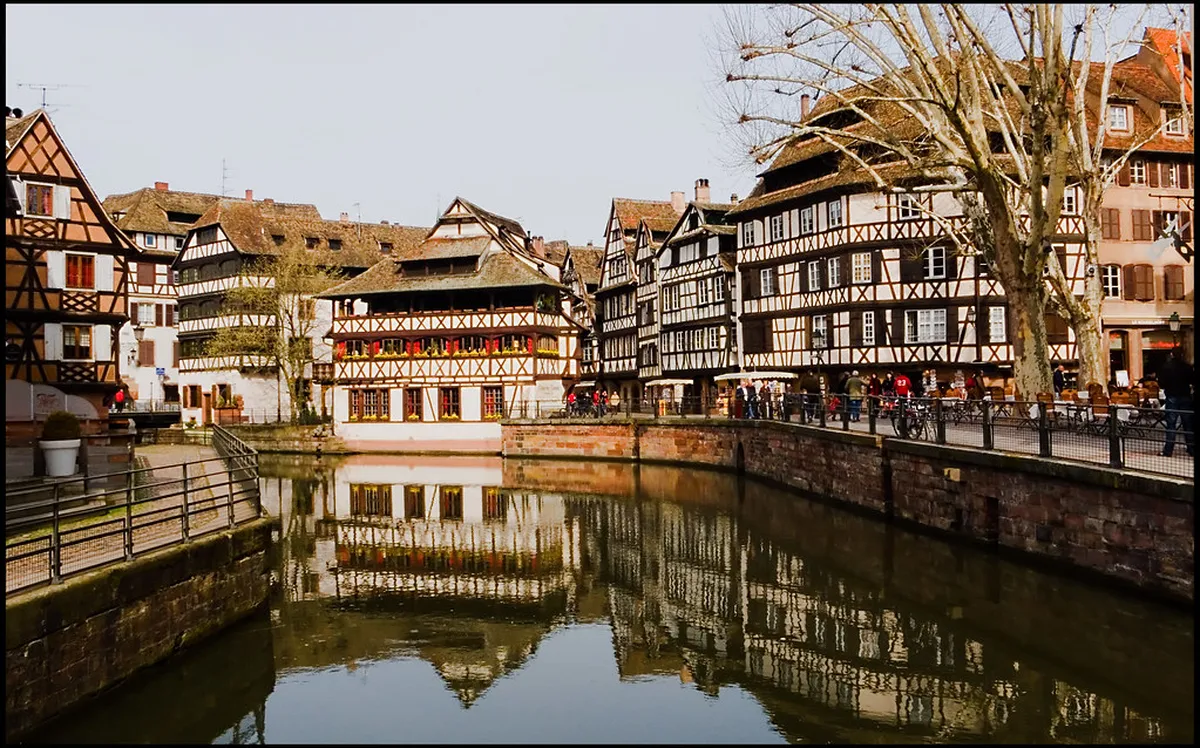
Welcome to the most picturesque and enchanting district located within the charming city of Colmar, France. The stunning canal-side architecture in Petite Venise captures the hearts of every visitor who walks these historic streets. This neighborhood showcases centuries of traditional Alsatian design and rich culture through its vibrant and colorful buildings. Our 2025 guide explores the unique features of these structures to help you appreciate their incredible beauty.
The Lauch River flows gently through this area and provides a mirror for the ancient timber-framed houses nearby. Visitors often feel like they have stepped directly into a classic fairy tale while exploring this beautiful region. You will find that the historic buildings in Colmar offer a deep look into the local heritage of Alsace. Let us begin our detailed journey through the architectural wonders of this famous French canal district today.
The History of Petite Venise Architecture
The architecture in this district reflects the rich history of the Alsatian region over many long centuries. Local craftsmen used traditional methods to build these durable structures along the winding Lauch River banks long ago. Many of these buildings date back to the fourteenth and sixteenth centuries in the heart of Colmar today. Architects designed these homes to serve both residential and commercial purposes for the local working class people.
This area was once the main hub for various trades including tanners, wine producers, and professional boatmen too. The proximity to the water allowed these workers to transport their goods easily throughout the busy city center. You can still see the remnants of these ancient trades in the specialized design of the lower floors. These sturdy stone foundations protected the wooden frames from the frequent moisture of the nearby river system.
During the medieval period, the architecture evolved to accommodate the growing population within the narrow city walls. Builders constructed taller houses with steep roofs to maximize the available space along the narrow canal paths here. Each century added a new layer of style and detail to the existing structures in the famous district. The preservation of these buildings ensures that the historical narrative of Colmar remains visible for future generations.
The unique blend of French and German influences is clearly visible in the construction styles of these homes. This mixture occurred because the Alsace region changed hands between the two nations several times in past history. You will notice that the structural elements often combine German sturdiness with elegant French decorative touches and flourishes. This cultural fusion creates a visual aesthetic that you cannot find anywhere else in the world today.
Modern restoration projects in 2025 continue to protect the integrity of the canal-side architecture in Petite Venise now. Local authorities enforce strict rules to ensure that any repairs use authentic materials and traditional building techniques. This dedication to preservation keeps the district looking exactly like it did several hundred years in the past. Tourists can experience an authentic piece of history while walking through these well-maintained and beautiful old streets.
Features of the Canal-Side Houses
One of the most striking features of these houses is the extensive use of traditional half-timbered construction techniques. This style involves a visible wooden frame filled with a mixture of clay, straw, and small stones. The exposed beams often create intricate geometric patterns that add a decorative element to the exterior building walls. You can find more details about these colorful houses in Colmar and their specific structural design features online.
The colors of the houses are not merely decorative but often represented the specific trade of the owner. For example, blue houses often belonged to fishmongers, while red houses were frequently owned by local skilled tanners. This visual coding system helped illiterate residents identify different shops and services throughout the busy neighborhood long ago. Today, these vibrant hues create a stunning rainbow effect that delights photographers and tourists visiting the area.
Steep roofs are another common characteristic of the canal-side architecture in Petite Venise found throughout the entire district. These roofs were designed to prevent snow buildup during the cold and snowy winter months in eastern France. Many of the roofs also feature small windows known as dormers which allow light into the attic spaces. These upper levels were traditionally used for drying animal skins or storing various agricultural goods and supplies.
Window boxes overflowing with bright geraniums add a touch of natural beauty to the wooden facades every year. This tradition of decorating windows with flowers is a hallmark of Alsatian culture and hospitality for many visitors. The contrast between the dark wooden beams and the bright flowers creates a perfect scene for your photos. Local residents take great pride in maintaining these floral displays throughout the spring and summer months in 2025.
The Best Spots to View the Canals
To experience the best views of the architecture, you should head directly to the iconic Saint-Pierre Bridge first. This location offers a panoramic vista of the houses lining both sides of the calm Lauch River water. It is the most popular spot for tourists to capture the classic postcard image of Petite Venise today. We recommend arriving early in the morning to enjoy the scenery without the large midday crowds of people.
Another excellent vantage point is located along the Rue de la Poissonnerie near the old fish market area. This street runs parallel to the canal and provides a close-up view of the intricate timber-framed building details. You can see how the houses lean slightly over the water to maximize their interior living space here. Finding the best photo spots in Colmar will help you document your visit with truly professional looking images.
Consider taking a short boat tour to see the architecture from a completely different perspective on the water. These flat-bottomed boats glide slowly under the low bridges and offer a unique view of the house foundations. You will notice many small details that are not visible from the street level while on the river. The boat captains often share interesting stories about the families who lived in these houses many years ago.
The Quai de la Poissonnerie is also a must-visit location for anyone interested in the local building styles. This quay was once the center of the fishing industry where fresh catches were sold to the public. The houses here are particularly well-preserved and feature some of the most vibrant colors in the whole district. Walking along this path allows you to fully immerse yourself in the historic atmosphere of old Colmar.
Preservation and Tourism in 2025
Maintaining the canal-side architecture in Petite Venise requires a significant investment of time and resources from the city. In 2025, the local government provides grants to homeowners who use traditional materials for their building renovations. This financial support helps to ensure that the district remains an authentic representation of the history of Alsace. Skilled artisans are often hired to repair the delicate wooden beams using ancient tools and specialized methods.
Tourism plays a vital role in the economy of Colmar and supports the ongoing preservation of these historic sites. However, the high volume of visitors can also put a strain on the delicate structures of the neighborhood. The city has implemented several measures to manage the flow of tourists and protect the local environment here. Visitors are encouraged to respect the privacy of the residents who still live in these beautiful historic homes.
Sustainable travel practices are becoming increasingly important for those visiting the Petite Venise district during the current year. You can contribute by using public transportation or exploring the area on foot instead of using a car. Many local shops offer handmade crafts and regional products that support the local economy and traditional heritage. Choosing to eat at local restaurants also helps to maintain the cultural fabric of this unique French community.
Educational programs and guided tours help visitors understand the architectural significance of the buildings they see around them. These tours often explain the technical aspects of half-timbering and the historical context of the various building styles. Understanding the effort required to maintain these houses increases the appreciation that guests have for the district. The canal-side architecture in Petite Venise remains a testament to the enduring spirit and creativity of Colmar.
Frequently Asked Questions
What is the best time of day to photograph the houses?
The best time to photograph the houses is during the golden hour just after sunrise each morning. The soft light enhances the colors of the buildings and creates beautiful reflections on the canal water. You will also find fewer tourists at this time which allows for much cleaner and better shots. You can learn more about different Colmar architecture styles to identify your favorite subjects for photography.
How old are the buildings in the Petite Venise district?
Most of the buildings in this district date back to the late Middle Ages and the Renaissance period. Many structures were built between the fourteenth and seventeenth centuries by local tradesmen and wealthy merchant families. These houses have survived many wars and changes in government over the last several hundred years. They represent one of the best-preserved examples of traditional Alsatian architecture found anywhere in France today.
Can you go inside the historic houses in Petite Venise?
Many of the historic houses are private residences and are not open to the general public for tours. However, some buildings have been converted into charming hotels, local restaurants, or small souvenir shops for visitors. Entering these businesses allows you to see the interior wooden beams and traditional layouts of the houses. You should always respect the privacy of the people who live in the residential areas of the district.
Are the boat tours available throughout the entire year?
Boat tours generally operate from the early spring through the late autumn months when the weather is mild. In 2025, tours may be limited during the winter except for special events like the Christmas markets. It is always a good idea to check the local schedule before you plan your specific trip. The boat ride takes about twenty-five minutes and provides a very peaceful way to see the architecture.
The canal-side architecture in Petite Venise is a true gem of the Alsace region in eastern France. Its colorful houses and winding waterways offer a unique glimpse into a vanished world of ancient trade. We hope this 2025 guide helps you plan an unforgettable visit to this magical and historic district. Remember to bring your camera and take your time exploring every narrow street and hidden corner here. Please share this guide with your friends who love travel and history as much as you do!
Key Takeaways
- Visit the Saint-Pierre Bridge for the best panoramic views of the Lauch River canals.
- Look for the meaning behind the house colors to understand the history of local trades.
- Arrive early in the morning to enjoy the district without the large crowds of tourists.
- Take a traditional boat tour to see the timber-framed houses from the water level.
Related reads: streetartly.com, street art and architecture in colmar, petite venise colmar architecture.