
Colorful Houses Colmar Architectural Features Guide
Discover colorful houses Colmar architectural features in this 2025 guide. Learn about Petite Venise and its history. Plan your scenic walking tour today!
On this page
Colmar remains a stunning jewel located directly in the heart of the beautiful Alsace region of France. This charming city attracts global visitors who wish to see the historic half-timbered houses and scenic canals. You will find incredible colorful houses Colmar architectural features while walking through the cobblestone streets today. Many travelers start their journey by exploring the famous and very picturesque Petite Venise Colmar architecture.
The city offers a unique blend of French and German influences that shaped the local building styles. You can see these distinct cultural elements in the colorful facades and the intricate wooden timber framing. Visiting in 2025 provides the perfect chance to photograph these well-preserved structures in their most vibrant state. Every corner of the old town tells a fascinating story about the medieval merchants and their daily lives.
The Legacy of Petite Venise Colmar Architecture
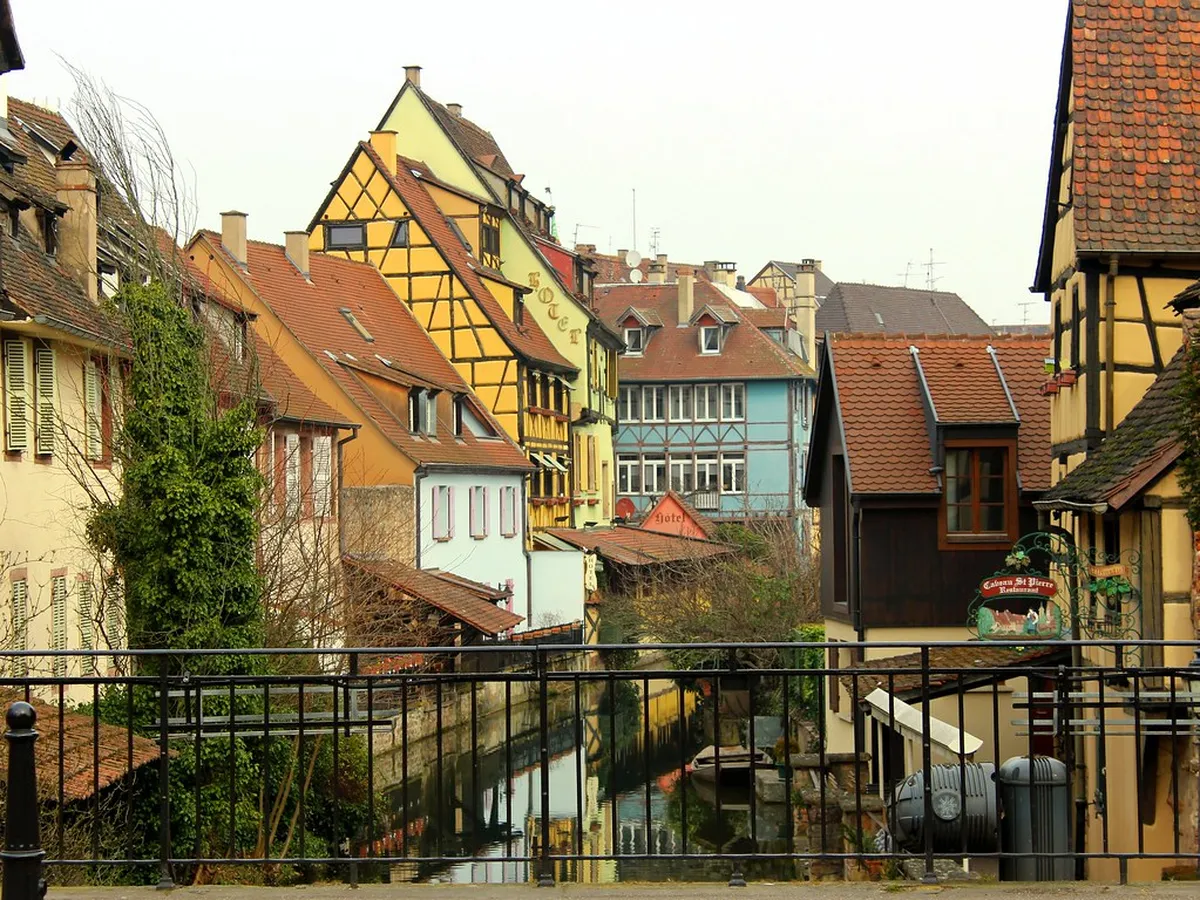
Petite Venise is the most iconic district where the Lauch River flows gently through the historic town center. This area was once the primary home for various professional guilds including butchers, tanners, and local fishermen. The buildings here were designed specifically to accommodate these trades and provide easy access to the narrow waterways. You can still see the low wharves where boats once unloaded goods for the bustling local markets.
The unique Colmar architecture styles found here reflect the prosperity of the late Middle Ages. Large attic spaces were used for drying animal skins or storing precious grains during the harvest seasons. Many of these structures dates back to the fourteenth century and have survived many different European wars. Preservation efforts ensure that these historic homes maintain their original charm for future generations of eager travelers.
Walking along the canal provides the best views of the colorful houses reflecting in the calm river water. You will notice that the houses lean slightly over the streets due to their ancient wooden foundations. This characteristic adds to the fairy-tale atmosphere that makes Colmar a favorite destination for couples and families. Professional guided tours offer deeper insights into the specific families who built these magnificent homes centuries ago.
During the spring and summer months, local residents decorate their balconies with thousands of bright blooming geraniums. These flowers complement the pastel colors of the walls and create a truly magical scene for every visitor. You should plan to spend at least two hours wandering through the narrow alleys of this district. This allows you to appreciate the small details that make this French city so special and unique.
Analyzing Colorful Houses Colmar Architectural Features
The colorful houses Colmar architectural features are famous for their bright hues and very distinct symbolic meanings. In the past, the color of a house often indicated the specific trade of the family living inside. Blue houses typically belonged to fishmongers while red buildings were often associated with the local tanners or butchers. This visual coding system allowed illiterate residents to navigate the city and find specific services easily.
Yellow houses were often owned by bakers or those involved in the production of wheat and flour products. Green facades sometimes represented workers in the leather industry or people who sold forest products like wood. Today, these colors are strictly regulated by local authorities to maintain the historical accuracy of the old town. Homeowners must choose from a specific palette of traditional Alsatian colors when they decide to repaint.
- Blue: Historically represented fishermen and water-related trades throughout the old city.
- Red: Indicated the presence of tanners or blacksmiths who worked with heat or blood.
- Yellow: Designated the homes of bakers and merchants selling essential grain products.
- Green: Often signaled workers involved with the textile industry or fabric dyeing.
The paint used on these houses is traditionally lime-based which allows the ancient stone and wood to breathe. This technique prevents moisture from becoming trapped inside the walls and causing structural damage over the many years. You will notice that the colors appear softer in the morning light and more intense during sunset. These changing light conditions offer endless opportunities for capturing the perfect travel photo in the city center.
In addition to the colors, the shutters on the windows provide another layer of visual interest and functionality. Most shutters are painted in contrasting colors to make the windows stand out against the main wall surface. They were originally designed to protect the glass from harsh weather and provide privacy from the street. Many modern residents still use these shutters daily to regulate the temperature inside their historic timbered homes.
Timber-Framing Techniques in Alsatian Design
The half-timbered construction method is a defining characteristic of the most famous and historic buildings in Colmar. Builders used heavy oak beams to create a sturdy skeleton for the house before filling the gaps. The spaces between the timbers were usually filled with a mixture of clay, straw, and small stones. This flexible construction style allowed the houses to settle without collapsing during minor earth movements or floods.
You can see various geometric patterns formed by the wooden beams on the facades of the oldest homes. Some patterns like the "Man" or the "Cross of St. Andrew" carried symbolic or religious protective meanings. These designs were meant to bring good luck to the inhabitants or ward off evil spirits and fires. Examining these patterns is a great way to understand the beliefs and values of medieval European society.
The cost of building these timber houses was significant and often reflected the wealth of the original owners. Richer citizens could afford more elaborate carvings and larger beams for their primary residences in the town. You will find that the most ornate examples are located near the main square and the cathedral. These areas served as the prestigious heart of the city for wealthy merchants and local political leaders.
Modern restoration projects use traditional tools to repair the wooden joints without using any modern metal nails. This ensures that the structural integrity remains consistent with the original design used by the master medieval builders. You can learn more about these techniques by visiting the historic buildings Colmar guide online. Seeing the craftsmanship up close helps you appreciate the hard work required to build these lasting structures.
Notable Landmarks and Iconic Historic Buildings
Maison Pfister is perhaps the most famous building in Colmar and features a stunning wooden corner gallery. Built in 1537, it represents the transition from medieval architecture to the more refined styles of the Renaissance. The facade is decorated with beautiful paintings depicting various biblical scenes and ancient emperors of the Holy Roman Empire. This landmark is a must-see for anyone interested in the artistic evolution of the Alsace region.
The Maison des Têtes is another architectural masterpiece that features over one hundred small carved heads on its facade. This building was constructed in 1609 for a wealthy merchant and now serves as a luxury boutique hotel. The intricate stone carvings demonstrate the high level of skill possessed by the local stonemasons during that era. It stands as a testament to the economic power and artistic ambition of Colmar during the seventeenth century.
St. Martin's Church is the dominant religious structure in the city and displays impressive Gothic architectural features throughout. Its striking roof tiles and tall spire can be seen from almost every point in the old town. The church was built between 1235 and 1365 using the local pink sandstone from the nearby Vosges mountains. Inside, you can find beautiful stained glass windows and a magnificent organ that dates back many centuries.
The Koïfhus served as the old custom house and remains the oldest public building in the entire city. It was used to tax goods entering Colmar and hosted important political meetings for the Decapolis league members. The large ground floor was used as a warehouse while the upper floor served as a grand meeting hall. Its colorful roof tiles are a classic example of the traditional decorative styles found across the Alsace.
Best Ways to Explore Colmar Streets in 2025
The best way to see the city is by taking a slow and relaxed walking tour through the center. Most of the old town is a pedestrian zone which makes it very safe and easy to navigate. Start your walk at the Place de la Cathédrale and follow the signs toward the Petite Venise district. Wear comfortable shoes as the historic cobblestone streets can be quite uneven and challenging for some visitors.
You should also consider taking a boat trip along the Lauch River for a completely different visual perspective. These small flat-bottomed boats offer a quiet way to see the backs of the houses and private gardens. This experience provides excellent views for capturing the best photo spots in Colmar without any street crowds. The boat tours usually last about thirty minutes and provide a very peaceful break from the busy streets.
Visiting during the early morning hours allows you to enjoy the quiet atmosphere before the large tourist groups arrive. The soft morning light is perfect for photography and allows you to see the true colors of the walls. You can stop at a local bakery for a fresh croissant and enjoy the silence of the canals. This is often the most magical time to experience the authentic soul of this ancient French city.
Seasonal events like the famous Christmas markets transform the city into a sparkling winter wonderland during late November. Every house is decorated with lights and festive ornaments that highlight the beautiful architectural details of the facades. In 2025, the city plans to introduce more eco-friendly lighting to protect the environment and save energy. Regardless of when you visit, Colmar offers a unique and unforgettable journey into the past for everyone.
Frequently Asked Questions
What is the best time to see the colorful houses in Colmar?
The best time to visit is during the spring months of April and May when flowers bloom. The morning light provides the best conditions for seeing the vibrant colors of the house facades clearly. You will also find fewer crowds during these months compared to the busy summer and winter seasons.
Why are the houses in Colmar painted different colors?
The colors were historically used to identify the trades and professions of the people living inside the homes. Blue indicated fishermen while red was for tanners and yellow was for bakers in the medieval town. Today, these colors are preserved to maintain the historical heritage and visual charm of the old city.
Can you go inside the historic houses in Petite Venise?
Many of the historic houses now serve as private residences, shops, or charming local restaurants and cafes. You can visit the ground floors of shops and diners to see the original wooden beams and structures. Some famous buildings like Maison Pfister can only be viewed from the outside to protect their integrity.
Are there guided tours available for Colmar architecture?
Yes, the local tourism office offers several guided walking tours that focus specifically on the history and architecture. These tours provide expert knowledge about the timber-framing techniques and the famous landmarks found throughout the city. You can book these tours online or at the visitor center near the main train station.
Colmar offers a unique opportunity to step back in time and witness the beauty of medieval European architecture. The vibrant colors and intricate timber frames create a visual experience that you will remember for many years. Whether you are a history buff or a photography lover, this city has something special for every traveler. Plan your visit in 2025 to discover the secrets hidden within the stunning streets of this Alsatian gem.
Key Takeaways
- Colors once represented the specific professions of the medieval house owners.
- Petite Venise is the best area for canal views and historic timber-framed homes.
- Morning visits offer the best light for photography and much smaller crowds.
- Traditional lime-based paints are still used to preserve the ancient building materials.
Related reads: streetartly.com, street art and architecture in colmar, colmar little venice building styles.