
Colmar Little Venice Building Styles Guide
Discover unique Colmar Little Venice building styles and Petite Venise architecture. Plan your 2025 trip to France with our expert guide and historical tips.
On this page
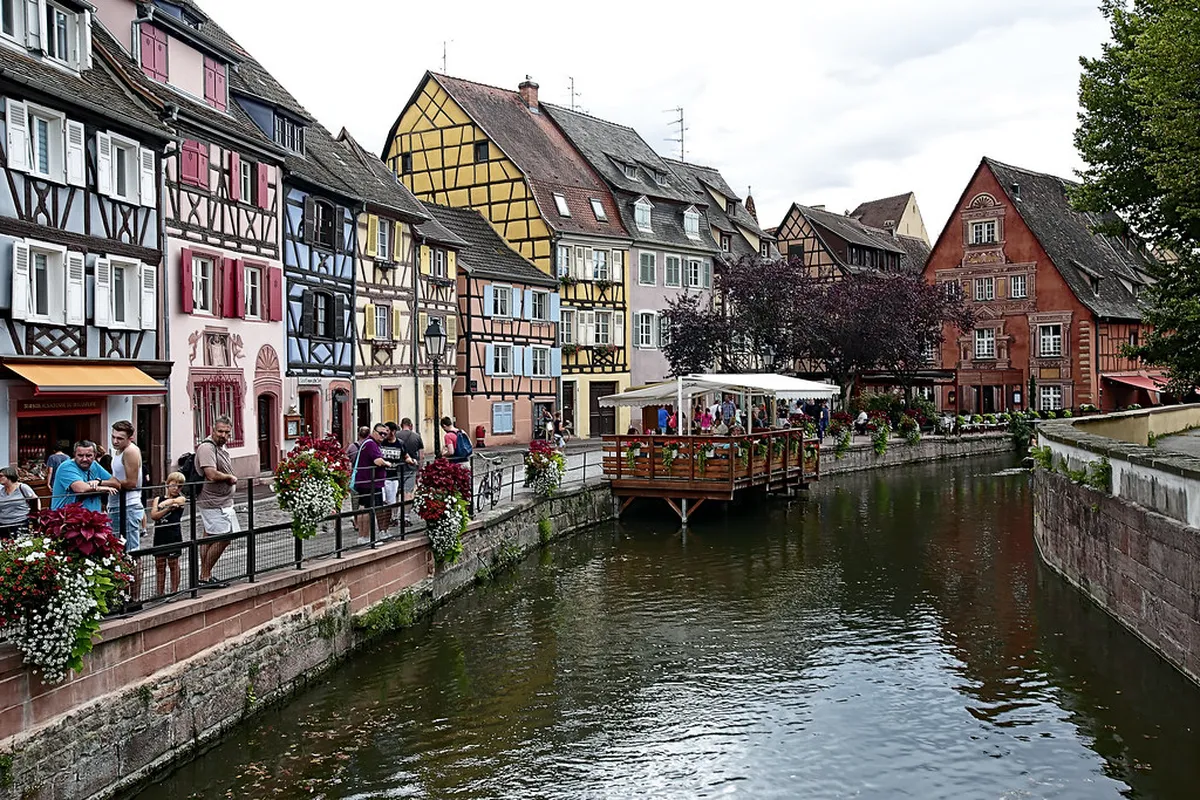
Colmar Little Venice building styles offer a breathtaking glimpse into the rich history of the Alsace region. These vibrant structures line the peaceful Lauch River canals and represent centuries of local French tradition. Visitors in 2025 can explore these narrow streets to see the most iconic timber-framed houses in Europe. This guide explains the architectural features that make this district a world-famous destination for travelers.
History of Colmar Little Venice Building Styles
The history of Colmar Little Venice building styles began during the middle ages along the city riverbanks. This district was originally the home of local fishermen, boatmen, and professional leather tanners for centuries. They built their homes near the water to transport goods easily through the narrow canal systems. These early builders used local materials like oak wood and stone to create lasting family residences.
Many houses in this area were designed to accommodate the specific needs of these historic working classes. The ground floors often featured large storage areas for boats or raw materials used in daily trade. You can still see the wide doorways that allowed workers to move heavy items from the water. The unique Petite Venise Colmar architecture remains a testament to this busy merchant past.
During the 14th and 15th centuries, the city grew into a major hub for Alsatian commerce and trade. Wealthy merchants began constructing more elaborate homes with decorative wooden beams and expensive stone foundations. These buildings reflected the social status of the families who lived and worked within the city walls. Today, these historic structures are carefully preserved to maintain the authentic medieval atmosphere for all visitors.
The structural design of these buildings was also influenced by the frequent flooding of the Lauch River canals. Builders used sturdy stone for the base of every house to prevent water damage to the wood. This practical approach ensured that the timber frames stayed dry even during the heavy spring rain seasons. This blend of utility and beauty is what makes the local architecture so famous among modern photographers.
As you walk through the district today, you will notice the incredible durability of these ancient wooden frames. Most of these houses have survived for over five hundred years without needing any major structural changes. This longevity is due to the expert craftsmanship of the medieval builders who understood the local climate well. Their work created the charming landscape that we continue to enjoy in the modern era.
Features of Petite Venise Colmar Architecture
The main feature of Petite Venise Colmar architecture is the traditional half-timbering technique known locally as colombage. This style uses a visible wooden skeleton filled with a mixture of clay, straw, and small stones. The dark oak beams create beautiful geometric patterns across the exterior walls of every single historic house. These patterns were often unique to each builder and added character to the local street scenes.
Many buildings in this district feature steep roofs designed to shed snow easily during the cold winter months. These roofs often contain small windows called dormers that allowed light into the upper storage and living areas. The tiles are usually made of terra cotta and have a traditional rounded shape common in Alsace. This roofing style provides excellent insulation against the elements while maintaining a very classic European appearance.
Another common architectural element is the use of corbeling to expand the living space on upper floors. Builders designed the second and third stories to hang slightly over the narrow streets below them. This technique allowed homeowners to maximize their indoor area without paying taxes on the small ground floor footprint. You can see many examples of this clever design as you walk along the winding canal paths.
The windows in Colmar architecture styles are typically small and surrounded by decorative wooden shutters for extra protection. These shutters were painted in contrasting colors to make the houses look even more festive and inviting. In the summer, residents decorate their windowsills with thousands of bright red geraniums and other colorful flowers. This tradition creates a stunning visual display that perfectly complements the ancient wood and stone walls.
Detailing on the corner beams often includes intricate carvings of faces, animals, or religious symbols for good luck. These carvings served as a form of artistic expression for the woodworkers who built these massive structures. Some houses even feature ornate wooden galleries that overlook the water, providing a private space for the residents. These small architectural details reveal the deep pride that local people took in their beautiful homes.
Symbolism of Colors in Building Styles
The distinct colors found within the Colmar Little Venice building styles served a very specific practical purpose. Many residents chose to paint their homes in bright shades to help people identify their specific trade. This system was essential for a population that often could not read signs or formal business names. A blue house might indicate a carpenter, while a yellow house often belonged to a local baker.
Green houses were traditionally associated with leather tanners who required access to the river for their daily work. Red was a popular choice for blacksmiths, representing the heat of the fire used in their busy shops. These colors created a vibrant map of the city that helped both locals and visitors find services. Today, the city maintains these colors to honor the historical heritage of the various medieval guilds.
In 2025, strict local laws govern how homeowners can paint their historic properties in the Little Venice district. You must receive official permission before changing the color of any building to ensure it fits the historical theme. This preservation effort keeps the neighborhood looking consistent and beautiful for the thousands of tourists who visit. The results are a perfectly harmonized palette of pastels and primary colors along the entire canal.
The white or cream-colored sections between the wooden beams are made from a traditional lime-based plaster material. This material allows the walls to breathe, which prevents the wooden skeleton from rotting over many long years. It also provides a clean background that makes the dark wood and bright paint colors stand out clearly. This technical choice is as important for the house's health as it is for its beauty.
Photographers love the way these colors reflect off the surface of the Lauch River during the golden hour. The combination of pink, blue, and orange houses creates a magical atmosphere that feels like a fairy tale. You can capture the best views of the canal-side architecture in Petite Venise from the Saint-Pierre bridge. This location offers the most famous perspective of the colorful rows of houses in the city.
Renaissance and Gothic Influences
While many houses are simple timber frames, some exhibit strong Renaissance and Gothic architectural influences from different eras. These styles are most visible in the larger stone buildings that once belonged to the city's elite. You will see pointed arches and decorative stone carvings that reflect the wealth of the late middle ages. These features add a level of sophistication to the rustic charm of the Little Venice area.
The use of stone for ground floors was a common Gothic tradition that provided extra stability for tall buildings. Many of these stone bases feature small vents that allowed air to circulate through the dark cellar spaces. These cellars were used for storing wine and food at a constant temperature throughout the entire year. The transition from stone to wood as you look up the building is a classic design.
Renaissance elements include the addition of beautiful corner windows known as oriels which project out from the walls. These windows allowed residents to look down multiple streets at once while remaining inside their warm comfortable homes. They are often highly decorated with stone sculptures and intricate patterns that show off the owner's great wealth. The Pfister House nearby is the most famous example of this ornate Renaissance style in Colmar.
Many buildings also feature high gables that face the street to create a sense of height and importance. These gables were often decorated with wooden finials or small statues that represented the family's history or beliefs. This vertical design helped the city feel more dense and impressive to travelers arriving from the countryside. It remains one of the most striking visual aspects of the old town center today.
You can find more detailed information in a historic buildings Colmar guide during your 2025 walking tour. Many of these structures now house museums or upscale restaurants that allow you to see the interiors. Seeing the massive indoor beams and stone fireplaces gives you a true sense of ancient French life. These buildings are more than just pretty facades; they are living pieces of European history.
Best Locations to View Building Styles
The Rue de la Poissonnerie is the best street to start your exploration of Colmar Little Venice building styles. This road runs directly alongside the canal and features some of the most famous houses in the city. You can walk along the narrow sidewalk to see the different timber patterns and colors up close. It is especially beautiful in the early morning before the large crowds of tourists arrive.
For a different perspective, take a boat tour on the Lauch River to see the houses from below. These small electric boats glide quietly through the water and offer views that you cannot see from the street. You will pass under low stone bridges and see the gardens that residents maintain along the river banks. This perspective highlights the unique relationship between the city architecture and the natural water environment.
The Quai de la Poissonnerie offers a wide view of the entire district from the opposite side of the canal. This is where the old fish market was located, and the architecture reflects the busy nature of that trade. The houses here are slightly taller and more colorful than in other parts of the Little Venice area. It is the perfect place to sit at a cafe and enjoy the historic scenery.
- Saint-Pierre Bridge: The most famous photo spot for capturing the colorful canal-side houses.
- Rue des Tanneurs: Features tall buildings with open attics once used for drying animal skins.
- Rue de la Herse: A quiet street with some of the oldest timber-framed structures in town.
Walking through the Tanners' Quarter nearby will show you a different style of building with very high roofs. These structures were designed specifically for the leather industry and have a more industrial but still charming look. The large openings in the roofs allowed for maximum airflow to dry the leather pieces quickly and safely. This area provides a great contrast to the more decorative houses found in the heart of Petite Venise.
Make sure to visit the district at night when the buildings are illuminated by soft golden street lights. The lights highlight the textures of the wood and stone, creating a romantic and mysterious atmosphere for visitors. Many of the restaurants along the water have outdoor seating where you can dine surrounded by this history. This experience is a highlight for many travelers visiting France during the 2025 holiday season.
Frequently Asked Questions
Why are the houses in Colmar Little Venice so colorful?
The colors in Colmar originally helped people identify the trade of the person who lived in the house. For example, blue often meant a carpenter lived there while yellow was for bakers. This system was helpful for the many people who could not read signs in the middle ages.
What is the best time to see the Petite Venise Colmar architecture?
The best time to visit is during the spring or summer when the houses are covered in flowers. Fall is also beautiful because the autumn leaves complement the warm colors of the wooden beams perfectly. Early morning is ideal for avoiding crowds and taking the best photos of the canals.
Are the buildings in Colmar Little Venice original or reconstructed?
Most of the buildings in Colmar are original structures that date back several hundred years to the medieval era. The city escaped major damage during various wars, allowing these historic homes to remain standing today. Local laws ensure they are maintained using traditional methods to preserve their authentic look.
How much does it cost to tour the Little Venice area?
Walking through the Little Venice district is free for everyone to enjoy at any time of day. A boat tour on the Lauch River usually costs around 7 Euros for adults in 2025. Most of the historic museums in the area charge a small entry fee for their exhibits.
Colmar Little Venice building styles represent a unique blend of history, art, and practical medieval engineering. Whether you are a photography fan or a history lover, this district offers something special for every traveler. Plan your 2025 visit today to experience the magic of these colorful timber-framed houses for yourself. The Petite Venise area is truly one of the most beautiful architectural gems in all of France.
Key Takeaways
- Colors once identified trades like bakers or carpenters.
- Half-timbering uses oak frames with clay and straw filling.
- Upper floors often hang over the street to save space.
- Saint-Pierre Bridge offers the best views for photographers.
- Visit in early morning to avoid large tourist crowds.
Related reads: streetartly.com, street art and architecture in colmar, colorful houses colmar architectural features.