
Historic buildings Colmar guide: Best Spots 2025
Explore our historic buildings Colmar guide for 2025. Discover iconic timber-framed houses and medieval sites. Plan your perfect visit now!
On this page
Colmar is a beautiful gem in the heart of Alsace. This historic buildings Colmar guide helps you find the best spots. You will see colorful timber-framed houses throughout the old town. These structures tell stories from the Middle Ages to the Renaissance.
Visiting Colmar in 2025 is a magical experience for any traveler. The streets feel like a scene from a fairy tale. You can easily explore most sites by walking through the city center. This guide covers the most famous landmarks and their unique histories.
The Remarkable Maison Pfister Details
The Maison Pfister is one of the most famous houses in Colmar. It was built in 1537 for a wealthy hatter. This building marks the transition from medieval style to Renaissance art. You will notice the beautiful wooden gallery and painted murals.
The paintings on the exterior depict biblical scenes and German emperors. These details show the wealth and status of the original owners. It is located at the corner of Rue des Marchands. Check out the Pfister House architectural details for more specific facts.
Most visitors spend about 15 minutes admiring the facade from the street. There is no entrance fee to view the exterior of this landmark. The building is most beautiful during the soft morning light. Bring a camera to capture the intricate wood carvings on the balcony.
In 2025, the area remains a popular spot for professional photographers. You should arrive before 9:00 AM to avoid the large tour groups. The surrounding shops also offer lovely local souvenirs and Alsatian crafts. This house is truly the architectural heart of the old town.
Discovering the Old Customs House
The Koïfhus or Old Customs House is the oldest public building here. It was completed in 1480 to manage local trade and taxes. This site served as the economic center of the entire region. You can find it at the intersection of two main medieval roads.
The roof features colorful glazed tiles that sparkle in the sun. This style is very common in historical Colmar architecture styles found today. The ground floor was once used for storing heavy merchandise. Upstairs, the council met to discuss important city business and laws.
You can walk through the large archway to see the inner courtyard. This space often hosts local markets and seasonal festivals in 2025. The entrance is free for people who want to explore the courtyard. It is a great place to sit and rest for a moment.
The building represents the power of the Decapole in the middle ages. It connects the fishmonger district with the main merchant streets. Many walking tours stop here to explain the local tax history. It remains a vital part of the city's cultural identity today.
Architecture in Petite Venise
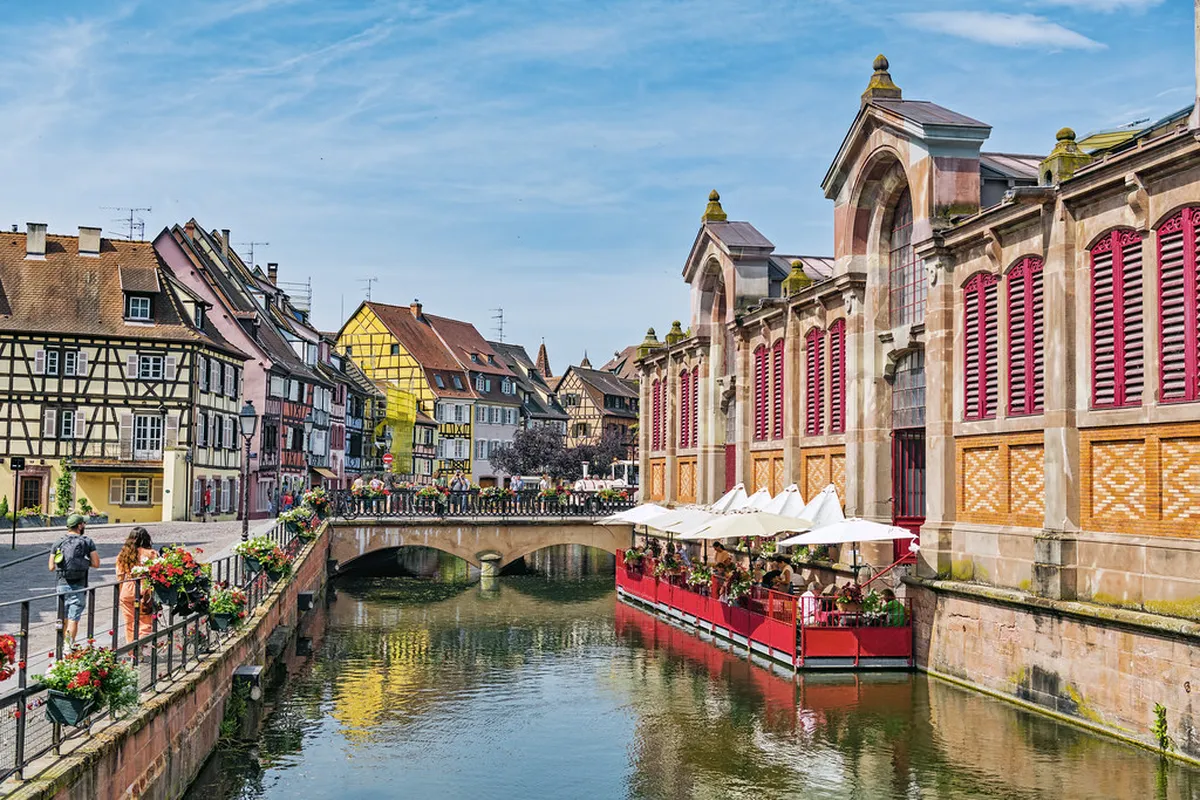
Petite Venise is the most photographed district in all of Colmar. This area was once the home of many local professional fishermen. The houses are painted in bright colors like blue, yellow, and pink. Each color historically represented the type of business located inside.
The Lauch River flows gently past these beautiful timber-framed homes. You can see the Petite Venise architecture perfectly from the Saint-Pierre bridge. Many houses date back to the 14th and 15th centuries. They have been carefully preserved to keep their original charm.
Small boats offer tours along the narrow canals for about 7 euros. These tours provide a unique view of the house foundations. You will see how the buildings lean over the water's edge. It is a peaceful way to see the city in 2025.
The flower boxes on the balconies add vibrant colors during the summer. Winter brings festive lights and decorations to every single window. It is the perfect place for a slow romantic walk at sunset. Most visitors find this area to be the highlight of their trip.
The Dominican Church Architecture
The Dominican Church is a masterpiece of 14th-century Gothic architecture. It houses the famous painting called the Virgin in the Rose Bush. The simple exterior hides the incredible beauty found inside the building. You will find it near the main shopping district in town.
The tall stained-glass windows date back to the 14th and 15th centuries. These windows create a colorful light display on the stone floors. You can learn more about Dominican Church architecture facts during your visit. The church is open daily for visitors from 10:00 AM.
Entrance tickets usually cost around 2 euros for adults in 2025. This small fee helps with the ongoing preservation of the ancient art. The interior atmosphere is very quiet and peaceful for all guests. It offers a nice break from the busy tourist streets outside.
The choir section features impressive carvings and high vaulted ceilings. Many people visit specifically to see the late medieval religious art. The church represents the spiritual history of the Alsatian people. It is a must-see for anyone interested in medieval construction.
St Martin Collegiate Church Highlights
Saint Martin's is the largest church in the city of Colmar. Many locals call it the cathedral even though it is a collegial. It was built between 1235 and 1365 using yellow limestone. The roof has a unique lantern tower added in the Renaissance.
The Gothic portal features many detailed sculptures of biblical figures. You can explore the interior for free during regular opening hours. The church is located in the center of the Place de la Cathédrale. It serves as a major landmark for navigating the old town.
Inside, you will find a massive pipe organ and beautiful side chapels. The high altar is decorated with intricate gold and wood details. You can find famous buildings Colmar facts at the information desk nearby. It is a great spot to start your walking tour.
The church suffered some damage during the French Revolution years. However, careful restoration has returned it to its former medieval glory. In 2025, it remains a functioning place of worship for the community. Please remember to be quiet and respectful during your visit inside.
Hidden Architectural Gems to Find
Colmar has many secrets beyond the main tourist attractions. You should look for the House of Heads on Rue des Têtes. This building features 106 small stone heads on its facade. It was built in 1609 in the German Renaissance style.
Another great site is the Adolf House from the 14th century. It is considered one of the oldest buildings in the city. You can find hidden architectural gems in Colmar by wandering the side streets. Small details like ancient door knockers are everywhere you look.
Visit the Unterlinden Museum to see the former 13th-century convent. The cloister offers a very peaceful garden surrounded by stone arches. This site blends medieval religious life with modern museum design perfectly. It is well worth the entrance price of 13 euros.
Walking through the tanner's district reveals very tall, narrow houses. These roofs were designed to dry animal skins in the wind. Each street in Colmar has a specific historical purpose and design. Exploring these details makes your 2025 trip much more rewarding.
Frequently Asked Questions
How long does it take to see the historic buildings?
You can see the main sites in one full day. However, two days allow for a more relaxed pace. This gives you time to visit museums and enjoy local food.
Are there walking tours for Colmar architecture?
Yes, many guided tours are available for tourists. You can join a Colmar architecture walking tour to learn more. These tours usually last between two and three hours.
Is Colmar expensive to visit in 2025?
Walking through the old town and viewing exteriors is free. Most museum and church fees are very affordable. You can find many budget-friendly bakeries and cafes nearby.
What is the best time for photography in Colmar?
Early morning offers the best light and fewest people. Sunset also provides a beautiful glow on the timber-framed houses. Many photographers prefer the spring when flowers are in bloom.
Colmar offers a unique glimpse into the past with its stunning buildings. This historic buildings Colmar guide covers the most essential landmarks for 2025. From the Maison Pfister to Petite Venise, every corner holds a story. Plan your visit today to see these architectural wonders in person.
Key Takeaways
- Visit Maison Pfister early in the morning for the best photos.
- Explore Petite Venise by boat for a unique architectural perspective.
- Wear comfortable walking shoes to navigate the cobblestone streets easily.
- Check the opening hours for churches and museums before arriving.