
Dominican Church Colmar Architecture Facts: 2025 Guide
Discover top Dominican Church Colmar architecture facts today. Explore Gothic art and Schongauer masterpiece in 2025. Start your Colmar journey right now.
On this page
The Dominican Church stands as a major architectural jewel in the heart of beautiful Colmar. This historic building offers visitors deep insights into the evolution of French Gothic art and design. You will learn many fascinating Dominican Church Colmar architecture facts during your next visit to France. Modern travelers find a quiet peace within these ancient and sturdy stone walls during the year.
Origins and Early Gothic Design Elements
The Dominican Church in Colmar dates back to the late thirteenth century for the local monks. Construction began in 1283 and continued slowly through the beginning of the fourteenth century in France. Architects designed the structure to reflect the humble values of the mendicant Dominican order during that time. It serves as a prime example within our historic buildings Colmar guide for all modern visitors.
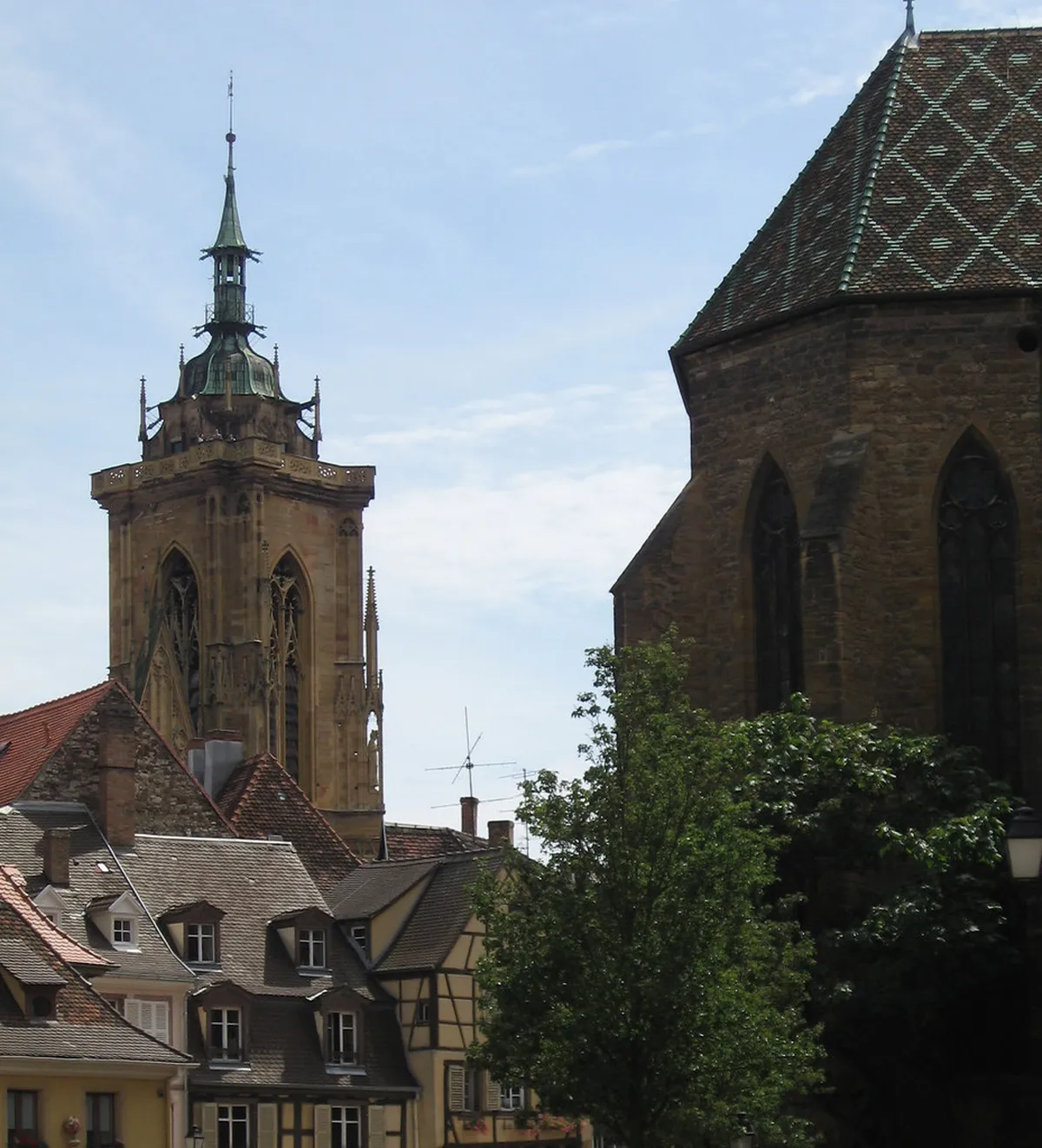
The exterior features a long and narrow silhouette typical of the mendicant style found in Europe. You will notice the absence of a large transept or a massive bell tower on top. These omissions highlight the focus on simple prayer and preaching rather than showing off great wealth. The stone walls provide a sense of permanence and strength that has lasted for many centuries.
Gothic arches define the window frames and the main entryways of this spiritual and historic site. These pointed arches allowed for taller walls and much larger windows than previous Romanesque building styles. Builders used local materials to create a structure that could withstand the changing climate of the region. This architectural choice demonstrates the practical engineering skills of the craftsmen working in medieval Colmar today.
The roof structure showcases the intricate timber framing that was popular during the Middle Ages in France. It provides a protective canopy over the vast interior space where the monks once gathered for prayer. You can see how the weight of the roof is distributed down through the thick stone pillars. This design ensured the longevity of the church through wars and natural disasters over many long years.
The Magnificent Stained Glass Windows
One of the most striking features involves the stunning stained glass windows from the fourteenth century. These glass panels depict various scenes from the life of Christ and many important biblical stories. The artists used vibrant reds and deep blues to create a spiritual atmosphere for the worshiping congregation. Light filtering through the glass creates a colorful dance across the stone floor during the sunny afternoons.
These windows provide a visual narrative for those who could not read during the medieval period. Each panel tells a specific story through detailed imagery and careful use of lead and glass. You can see the artistic mastery of the glassmakers who worked in Colmar many centuries ago today. Many travelers follow a colmar architecture walking tour to appreciate these incredible artistic details.
The preservation of this glass is truly remarkable given the turbulent history of the Alsace region. Expert restorers have worked diligently to maintain the original colors and the structural integrity of each window. Their efforts allow us to see the same beauty that the Dominican monks experienced long ago. Visitors should take a moment to sit in the pews and watch the light change slowly.
Natural light plays a critical role in the overall architectural experience of the Dominican Church in Colmar. Large window openings allow the sun to illuminate the interior without the need for many modern lights. This connection to the outside world creates a bridge between the spiritual and the natural environments here. It remains a highlight for anyone interested in the technical aspects of Gothic religious architecture today.
The Virgin in the Rose Bush Masterpiece
The Dominican Church is home to the famous Virgin in the Rose Bush painting from 1473. Martin Schongauer created this masterpiece which serves as the central focus of the entire church interior today. It features the Virgin Mary and the Christ child surrounded by a lush and symbolic rose garden. The painting is widely considered one of the finest examples of late Gothic art in the world.
Schongauer used intricate details to depict the birds and the flowers within the symbolic rose garden setting. Every element in the painting carries a specific religious meaning that was well understood by the viewers. The gold background adds a sense of divine light and importance to the central holy figures shown. This artwork was moved to the church in 1973 for better security and public viewing access.
The scale of the painting is impressive and commands the attention of everyone who enters the building. It sits within a beautifully carved frame that complements the architectural style of the surrounding church walls. The church provides an appropriate sanctuary for such a significant piece of European artistic and religious history. You should allow yourself at least twenty minutes to study the many layers of this incredible work.
Tickets to see this masterpiece usually cost around eight Euros for most adult visitors in the year. The funds help with the ongoing maintenance and the preservation of both the painting and the church. Visiting this site is essential for anyone following famous buildings colmar facts during their stay. It represents the perfect marriage between the arts and the spiritual life of Colmar.
Interior Structural Details and Layout
The interior layout follows a traditional three-aisled nave design that is common in many Gothic churches. Tall and slender columns support the weight of the roof while keeping the floor space open. This design allowed large groups of people to gather and hear the sermons given by the monks. The lack of excessive ornamentation focuses the attention of the visitor on the altar and art.
A unique feature of this church is the flat wooden ceiling found above the main nave area. Most large Gothic cathedrals use stone vaults which are much heavier and require more complex external support. The wooden ceiling creates a warmer atmosphere and provides excellent acoustics for choir and musical performances today. It is a rare architectural choice for a building of this significant size and historical importance.
The side aisles provide a space for smaller chapels and various commemorative monuments for the local community. These areas allow for private reflection and prayer away from the main central gathering space of the church. You can see how the different colmar architecture styles blend together within these ancient and sacred stone walls. Each corner of the building holds a different piece of the long history of Colmar.
The stone floor shows the wear of millions of footsteps over the course of seven hundred years. Some of the floor slabs mark the burial sites of important figures from the local Dominican community. These details add a layer of human history to the grand architectural scale of the church building. Walking through the nave feels like stepping back into the medieval heart of the Alsace region.
Preservation and Modern Day Visits
Maintaining a structure that is over seven centuries old requires constant care and significant financial investment. The local government and religious authorities work together to preserve the Dominican Church for future generations today. Regular inspections ensure that the stone walls and the roof remain safe for the many visitors. These efforts maintain the church as a living monument to the history of the city.
Visitors in 2025 can enjoy a peaceful environment while exploring the many architectural and artistic features inside. The church remains an active place of worship despite its popularity as a major tourist destination here. You should check the official schedule for opening hours as they can change during local holidays. Most visits take about one hour to fully appreciate the art and the historic architecture.
The surrounding square offers a beautiful view of the church exterior and the nearby half-timbered houses. You can find many small cafes where you can sit and admire the Gothic lines of the building. This area of Colmar is particularly beautiful during the spring and the autumn seasons each year. The church serves as a central landmark that helps travelers navigate the narrow streets of the city.
We recommend arriving early in the morning to avoid the largest crowds and enjoy a quiet atmosphere. Taking photographs is generally allowed but you should always respect the rules regarding flash and sacred areas. The Dominican Church remains a highlight of any trip to the Alsace region for many reasons. It offers a rare look at the intersection of faith, art, and medieval engineering skills.
Frequently Asked Questions
What is the most famous artwork inside the Dominican Church?
The most famous artwork is the Virgin in the Rose Bush by Martin Schongauer. He painted this masterpiece in 1473 using late Gothic techniques. It is located at the front of the church for public viewing.
How much does it cost to enter the Dominican Church in Colmar?
Entrance fees for adults are approximately eight Euros in 2025. Discounts are usually available for students and large groups. The ticket price includes access to the Schongauer painting and the nave.
When was the Dominican Church in Colmar built?
Construction began in 1283 and lasted through the early fourteenth century. It was built for the Dominican monks who followed a mendicant lifestyle. The architecture reflects the humble values of their religious order.
The Dominican Church in Colmar is a must-see destination for fans of history and Gothic design. You can experience centuries of art and architecture within this single historic building in the city center. Plan your visit today to see the incredible Martin Schongauer masterpiece in person this year. Do not forget to explore our Colmar architecture styles guide for more local travel tips.
Key Takeaways
- The church was built between 1283 and the early 14th century for Dominican monks.
- It houses the famous Virgin in the Rose Bush painting by Martin Schongauer.
- The architecture features a unique flat wooden ceiling and beautiful 14th-century stained glass.
- Adult entry tickets cost approximately 8 Euros in 2025.
Related reads: streetartly.com.