
Colmar Architecture Styles Guide 2025
Learn about iconic Colmar architecture styles like Gothic and Renaissance. Plan your 2025 trip to France with our expert architectural walking guide.
On this page
Colmar is a stunning city located in the famous Grand Est region of northeastern France today. Visitors come from all over the world to see the famous and colorful Colmar architecture styles. Walking through the streets feels like a journey back in time to the colorful Middle Ages era. In 2025, the city will offer even more guided tours for people interested in historical buildings.
The city features a mix of German and French designs because of its long European history. Each street offers a new look at how people built homes during different historical time periods. You can find everything from ancient timber frames to more modern French neoclassical designs in this town. This guide will help you understand the history behind these beautiful and iconic structures found in Colmar.
The Evolution of Colmar Architecture Styles
Colmar grew significantly during the Middle Ages because of its location on important European trade routes. The local architecture changed as the city became wealthier from selling wine and high quality textiles. Many buildings from the fourteenth century still stand today as strong reminders of that prosperous era. You can see the alsatian architectural style colmar explained in the oldest parts of the city center.
The evolution of the city is visible in the different layers of stone and timber designs. You can see how builders moved from simple wooden frames to more complex stone Renaissance facades. Each century added a new layer of beauty to the streets that we enjoy visiting today. The city planners have worked hard to preserve these structures for future generations to enjoy in 2025.
Walking through the old town allows you to see how different cultures influenced the building methods. Builders often combined German structural strength with French artistic elegance to create a very unique local look. This fusion is why the city looks so different from other towns in the rest of France. You will notice these small details if you look closely at the windows and the door frames.
Modern preservation laws ensure that every renovation stays true to the original style of the historic building. Local craftsmen still use traditional techniques to repair the wood and stone found on these ancient houses. This dedication to history is what makes the city a top destination for architecture lovers everywhere. Many travelers find that the city offers a perfect blend of old world charm and modern convenience.
Stunning Half-Timbered Alsatian Houses
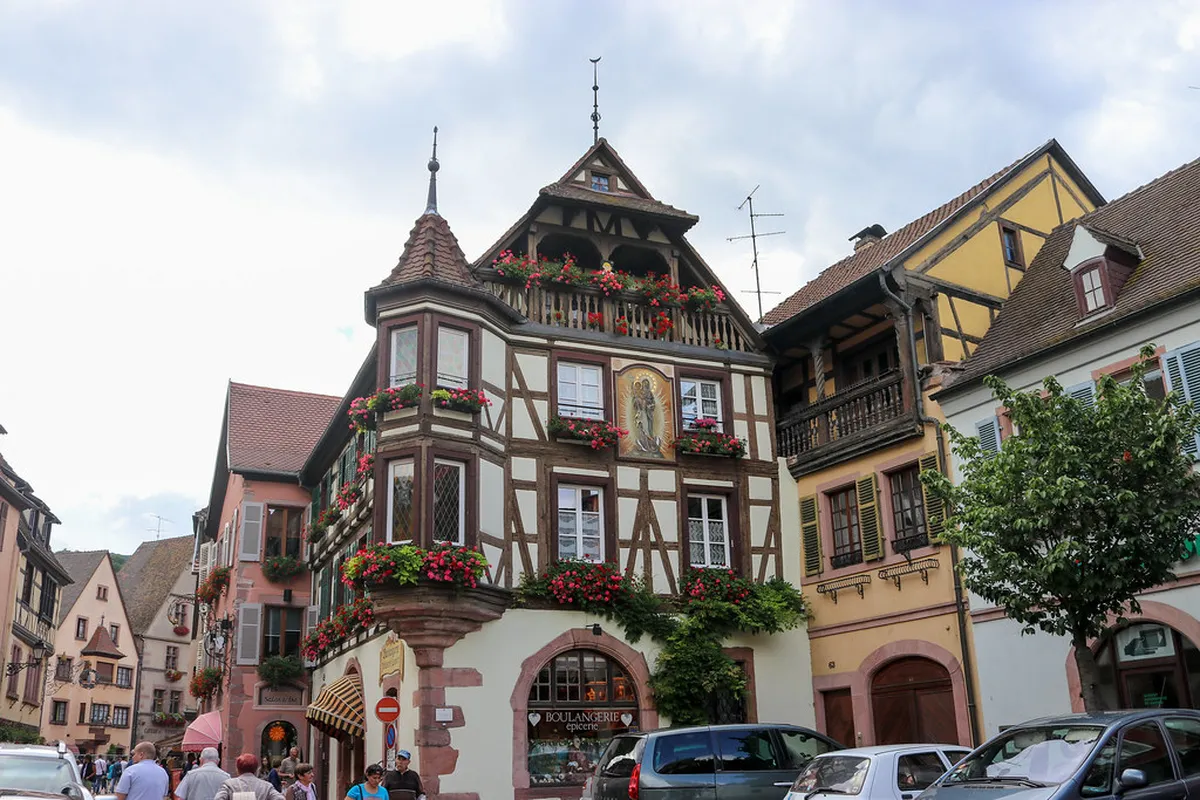
The half-timbered houses are probably the most iconic feature of the landscape in this French city. These structures use heavy wooden beams to support the walls and create a very rustic look. Builders filled the spaces between the beams with a mixture of clay and chopped straw long ago. You can find many historic buildings colmar guide options within the center of the old town area.
The colors of these houses often represent the different trades of the people who lived there. Blue houses traditionally belonged to the fishmongers while red houses often belonged to the local blacksmiths. This colorful tradition makes the city one of the most vibrant places to visit in all of Europe. You can spend hours walking through the streets just looking at the different shades of the walls.
Many of these timber houses feature very steep roofs to prevent heavy snow from piling up in winter. The roofs also provided extra space for drying animal hides or storing grains in the large attics. You will notice that the top floors often hang over the street to save space on the ground. This architectural trick allowed owners to pay less tax based on the size of the ground floor.
In 2025, these houses remain fully functional as shops, restaurants, or private homes for the local residents. Staying in a half-timbered hotel is a great way to experience the history of the city firsthand. Most of these buildings have been updated with modern plumbing and electricity for the comfort of the guests. You should book your stay early because these historic rooms are very popular during the peak season.
The Gothic and Renaissance Masterpieces
The Maison Pfister is a very famous example of the Renaissance style found in the city of Colmar. It was built in fifteen thirty-seven and features a unique wooden gallery and very ornate paintings. This building shows how wealthy merchants lived during the golden age of the local wine economy. Check out the renaissance architecture colmar notable examples to see more beautiful stone carvings today.
The Maison des Tetes is another famous structure that features over one hundred small stone heads. It was built in sixteen oh nine and remains one of the most interesting Renaissance buildings here. The building now houses a high-end hotel and a restaurant for travelers to enjoy during their stay. You can find this unique landmark on the Rue des Têtes in the heart of the city.
St. Martin's Collegiate Church is the main example of Gothic architecture that you will find in Colmar. This massive church was built between twelve thirty-four and thirteen sixty-five using local yellow sandstone materials. The spire of the church is a major landmark that you can see from many different places. Its intricate stone carvings and stained glass windows are truly a sight to behold for any visitor.
Many of these Renaissance and Gothic buildings were built using materials from the nearby Vosges Mountains. The yellow and pink sandstone gives the city a warm and inviting glow even on cloudy days. You can learn about the history of these materials by visiting the Unterlinden Museum in the city. The museum itself is located in a former thirteenth-century convent with a very beautiful cloister.
Petite Venise and Iconic Canal Views
The Petite Venise district offers some of the most beautiful views of the local canal system. Fishermen and tanners once lived in these colorful houses along the banks of the Lauch River. The architecture here is designed to allow easy access to the water for transporting commercial goods. You will find incredible charm in the petite venise colmar architecture while walking across the small bridges.
The houses in this district are often smaller and more tightly packed than in the main square. Many of these buildings date back to the fourteenth and fifteenth centuries and have been carefully restored. The reflection of the colorful facades in the water creates a magical atmosphere for every traveler. You can take a boat tour to see the architecture from a completely different perspective today.
The Tanners' District is located very close to Petite Venise and features very tall timbered houses. Tanners used the upper floors to dry their skins in the open air during the warmer months. These buildings are very tall and narrow because of the limited space available near the river banks. You can see the original wooden shutters that were used to control the airflow in the attics.
In 2025, Petite Venise is the most photographed part of the city for good reason. The area is filled with flower-lined bridges and cozy cafes that overlook the calm river water. It is a perfect place to enjoy a glass of local Alsatian wine while admiring the buildings. Most boat tours cost about ten Euros per person and last for approximately thirty minutes each.
Practical Tips for Photography Enthusiasts
Taking great photos of the architecture requires visiting the city during the early morning hours. The soft light hits the colorful facades and highlights the intricate details of the wood beams. You should look for the best photo spots colmar to capture the essence of the city. Many professional photographers recommend the Quai de la Poissonnerie for the best views in the town.
Sunset is another great time to photograph the buildings as the street lamps begin to turn on. The warm glow of the lights against the ancient stone creates a very romantic and historic atmosphere. You will find that the crowds are much smaller during the evening hours in the off-season. Make sure to bring a tripod if you want to capture sharp images of the night scenery.
Different seasons offer unique opportunities to photograph the various Colmar architecture styles throughout the year. Spring brings beautiful flowers to the windowsills while winter features festive lights and holiday decorations. The Christmas markets in December make the buildings look like they are part of a fairy tale. No matter when you visit, there is always something beautiful to capture with your camera lens.
Be sure to look up and notice the small details like the iron signs and roof ornaments. Many buildings feature unique symbols that tell the story of the original owners and their specific jobs. These small architectural details are often missed by tourists who are in a hurry to see everything. Taking your time will reward you with much more interesting and unique travel photographs.
Booking an Architecture Walking Tour
A walking tour is the best way to see all the different styles in a day. You can start your journey at the Place de la Cathédrale and follow the signs carefully. The city is very walkable which makes it easy to see many historic landmarks on foot. We recommend booking a colmar architecture walking tour to hear stories from professional local guides.
Guided tours often provide access to private courtyards that you cannot enter on your own. You will learn about the secret symbols hidden in the stone carvings of the Renaissance houses. Most professional tours last about two hours and cost between fifteen and twenty Euros per person. You can find tour operators near the tourist office located in the city center area.
If you prefer to explore on your own, the city has many helpful information plaques. These signs are written in several languages and explain the history of the most important buildings. You can also download a digital map to your phone to help you find the hidden gems. This allows you to set your own pace and spend more time at your favorite spots.
The tourist office is open from ten in the morning until five in the evening daily. They can provide you with free maps and advice on which architectural sites are currently open. In 2025, many sites will offer audio guides that you can listen to on your smartphone. Planning your route in advance will help you make the most of your time in Colmar.
Frequently Asked Questions
What is the most famous building in Colmar?
The Maison Pfister is often called the most beautiful and famous building in the whole city. It represents the height of the Renaissance period and features many stunning murals and decorations. You can find many gothic architecture in colmar france examples near the main town square.
Why are the houses in Colmar so colorful?
The colors were historically used to identify the shops and trades of the people living inside. This tradition has been preserved over the centuries to maintain the unique charm of the city. Today, the bright colors make the city a very popular destination for travelers and photographers.
How long do I need to see the architecture?
You should plan for at least one full day to see the major architectural landmarks. A three-hour walking tour will cover the highlights, but you may want more time for photos. Spending a night in the city allows you to see the buildings illuminated after dark.
Are the historic buildings in Colmar accessible?
Most of the old town is a pedestrian zone which makes walking between the sites very easy. However, some historic buildings have narrow stairs and may not be fully accessible for everyone. The main squares and canal paths are generally flat and easy to navigate for all visitors.
When is the best time to see the architecture?
The architecture is beautiful year-round, but spring and fall offer the most pleasant walking weather. The Christmas season is also very popular because of the festive decorations on the historic facades. Early morning is always the best time to avoid the large crowds of tourists.
Colmar offers a unique look at European history through its diverse and beautiful building styles. From Gothic churches to Renaissance mansions, there is something for every traveler to admire here. We hope this guide helps you plan an unforgettable architectural journey through the city in 2025. Be sure to check out more hidden architectural gems colmar during your next visit.
Key Takeaways
- Visit Maison Pfister for the best example of Renaissance design.
- Explore Petite Venise for iconic views of half-timbered houses.
- Book a walking tour to discover hidden courtyards and symbols.
- Visit in the early morning to take the best travel photos.
- Look for the yellow sandstone used in St. Martin's Church.