
Alsatian Architectural Style Colmar Explained
Explore the history of timber houses. This guide has Alsatian architectural style Colmar explained for your 2025 trip. Discover French charm today!
On this page
Colmar is a stunning city located in the Grand Est region of France. It serves as a living museum for traditional Alsatian design. The Alsatian architectural style Colmar explained here defines this unique French charm. You will find colorful buildings lining narrow cobblestone streets throughout the center.
This style blends French and German cultural influences perfectly. It creates a visual feast for every visitor to the Alsace region. Exploring Colmar architecture styles reveals centuries of fascinating history. Many buildings date back to the Middle Ages and Renaissance.
Visitors often feel like they are walking through a fairy tale book. The preservation of these structures is truly world-class. You can see the evolution of building techniques in every neighborhood. Plan your 2025 visit to see these amazing sites in person.
The Magic of Timber-Framed Houses
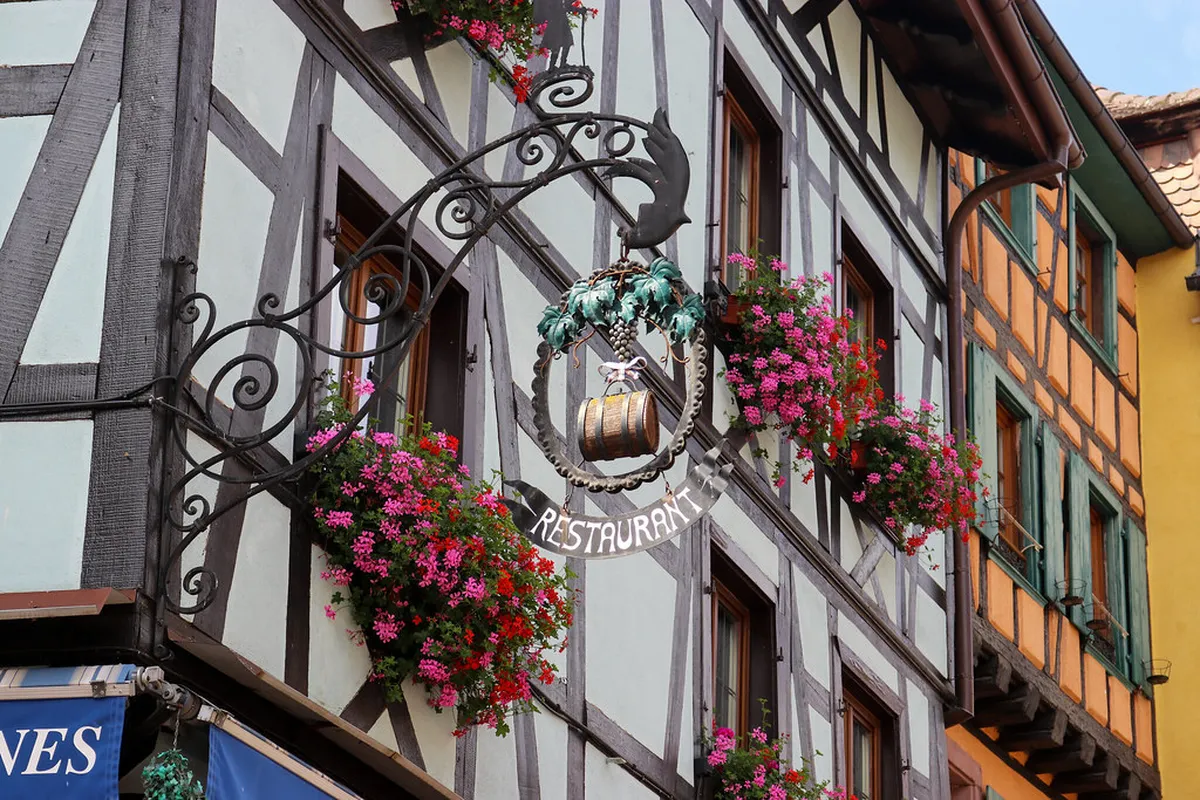
Half-timbered houses are the soul of the Colmar city center. These structures use heavy wooden beams to form a sturdy skeleton. Builders then filled the gaps with a mixture of clay and straw. This technique is often called wattle and daub by historians.
You will notice the beams often form decorative and geometric patterns. Some look like stars or religious symbols on the exterior walls. These designs often showed the owner's wealth or specific trade. Every beam tells a unique story from the ancient past.
The timber frames are painted in many bright and cheerful colors. You can see blues, yellows, and deep reds on every street. These colors were once used to identify different trade guilds easily. Today they create a stunning backdrop for travel photography.
Most of these houses date back several hundred years to the 1300s. They have survived many wars and modernization across the centuries. Walking past these historic buildings in Colmar is like actual time traveling. You can feel the history in every wooden joint.
The preservation efforts in Colmar are very strict and detailed. Owners must use specific materials to maintain the original look. This dedication keeps the city looking authentic for all visitors. It is a source of great pride for local residents.
Why Alsatian Houses Have Steep Roofs
The steep pitch of Alsatian roofs is very practical for the region. This design prevents heavy snow from piling up during the winter. Snow simply slides off before it causes any structural damage. It is a smart solution for the cold local climate.
These roofs often feature several levels of small, functional windows. These openings provided essential ventilation for the large attic spaces inside. Families used the high attics to store food and dry grain. It kept important supplies dry and safe from local pests.
You may also see beautiful glazed tiles on some important roofs. These colorful tiles signify civic or religious buildings in the town. They add a touch of luxury to the overall city skyline. Look up to see these patterns during your 2025 tour.
Many roofs still have original hand-crafted clay tiles today. They have a distinct curved shape known locally as beaver tails. This texture adds significant depth to the overall city aesthetic. It is a true hallmark of regional Alsatian craftsmanship.
The rooflines create a jagged and interesting silhouette against the sky. No two buildings have the exact same roof height or angle. This variety makes the streetscape feel organic and very charming. It is a favorite subject for artists and painters.
Exploring the Iconic Petite Venise District
Petite Venise is the most famous part of the whole city. It features rows of houses directly along the Lauch River. The water reflection doubles the beauty of the colorful facades. This area highlights the Petite Venise Colmar architecture perfectly.
Fishermen and tanners once lived and worked in this specific district. They used the river to transport goods through the old town. You can still see the wide porches used for drying skins. The buildings are built very close to the water edge.
Take a flat-bottomed boat tour to see the houses from below. Looking up from the water offers a very unique perspective. You can admire the flower-filled balconies from a new angle. It is an essential experience for any 2025 trip.
The district is especially beautiful during the late afternoon sun. Warm light hits the pastel walls and wooden beams beautifully. Many visitors consider this the most romantic spot in town. It captures the true essence of traditional Alsatian life.
The bridge over the river provides the best viewing point. You can see the houses stretching into the distance from here. It is often crowded but the view is worth the wait. Bring your camera for the best architectural shots.
Renaissance and Gothic Influences in Colmar
While timber is common, stone buildings also stand out here. The Maison Pfister is a prime example of Renaissance design. It features ornate wooden galleries and delicate painted murals. This building shows the incredible wealth of 16th-century merchants.
Gothic architecture also plays a huge role in the city center. St. Martin's Church displays impressive stone carvings and pointed arches. Its high spire can be seen from many different streets. Learn more about historical design during your 2025 French holiday.
You will see many stone doorways with intricate dates carved. These carvings often commemorate the year the house was finished. Renaissance buildings often feature oriel windows that hang over the streets. These bay windows allowed owners to see street traffic.
The Koïfhus is another important Gothic and Renaissance site to visit. It served as the old customs house for the city. Its large halls once hosted grand political meetings and trade. The architecture reflects the historic power of old Colmar.
Stone was often used for the ground floor of houses. This protected the wooden structure from moisture and rising dampness. It also provided a sturdy base for the heavy timber frames. You can see this layering on many street corners.
The Symbolism of Colors and Decor
Colors in Colmar were never chosen just for their beauty. Historically, colors indicated the type of business located inside. Blue often belonged to timber workers or local fishmongers. Yellow was frequently used by bakers or grain merchants.
Red was typically the color for blacksmiths and metalworkers. These visual cues helped people navigate the town very easily. Even today, the city maintains these vibrant traditions very carefully. The palette makes the streets feel warm and welcoming.
Modern regulations now protect these specific shades of historical paint. Homeowners must follow strict rules to maintain historical accuracy. This ensures the city looks consistent for all future generations. It is a collective effort by the local community.
Photographers love the way the colors change with the seasons. Spring flowers contrast beautifully with the painted wooden beams. In winter, the colors pop against the white falling snow. Every season offers a new way to see Colmar.
Look for the small details like carved window shutters. Many feature hearts or stars cut into the thick wood. These details added a personal touch to every family home. They remain a beloved part of the local building style.
Frequently Asked Questions
Why are the houses in Colmar so colorful?
The colors originally helped people identify different shops and trades. Blue meant the owner worked with wood or fish. Today, these colors preserve the city's historic charm. You can find more details in a Colmar architecture walking tour guide.
What is the best time to see the architecture?
Spring and summer are excellent for seeing the flower displays. However, winter offers a magical look during the Christmas markets. The 2025 season will be a great time to visit. Most buildings are visible and beautiful all year long.
How old are the buildings in Colmar?
Many buildings date from the 14th to the 18th centuries. The oldest timber-framed structures are in the historic center. You can see Renaissance details from the 1500s frequently. The city has preserved these ancient structures very well.
Can you go inside the historic houses?
Some historic houses are now museums or public shops. The Maison Pfister is best viewed from the outside street. Other buildings house restaurants where you can see the beams. This allows you to experience the architecture from within.
Understanding the Alsatian architectural style Colmar explained helps you appreciate it. Each beam and color has a deep historical meaning. You will leave with a new love for European history. Plan your 2025 architectural adventure to France soon to see it. It is a destination that every traveler should visit once. Travelers extending their stay can consult the complete Colmar guide on Euro City Guide.
Key Takeaways
- Look for specific colors that identify historical trade guilds.
- Visit the Maison Pfister to see Renaissance merchant wealth.
- Explore Petite Venise at sunset for the best photos.
- Observe the steep roofs designed for heavy winter snow.
- Check for wattle and daub techniques in the timber frames.
Related reads: streetartly.com.