
Renaissance Architecture Colmar Notable Examples Guide
Explore stunning Renaissance architecture Colmar notable examples in this 2025 guide. See top historic sites and book your professional walking tour today!
On this page
Colmar is a stunning city located in the heart of the Alsace region in France. You can find several Renaissance architecture Colmar notable examples while walking through the old town. These historic structures show the incredible wealth of the local merchant class during that era.
The city managed to preserve its unique heritage throughout many centuries of European history. Visitors often feel like they are stepping back in time when exploring these beautiful streets. Every corner offers a new look at the various Colmar architecture styles found here.
The Iconic Maison des Têtes (House of Heads)
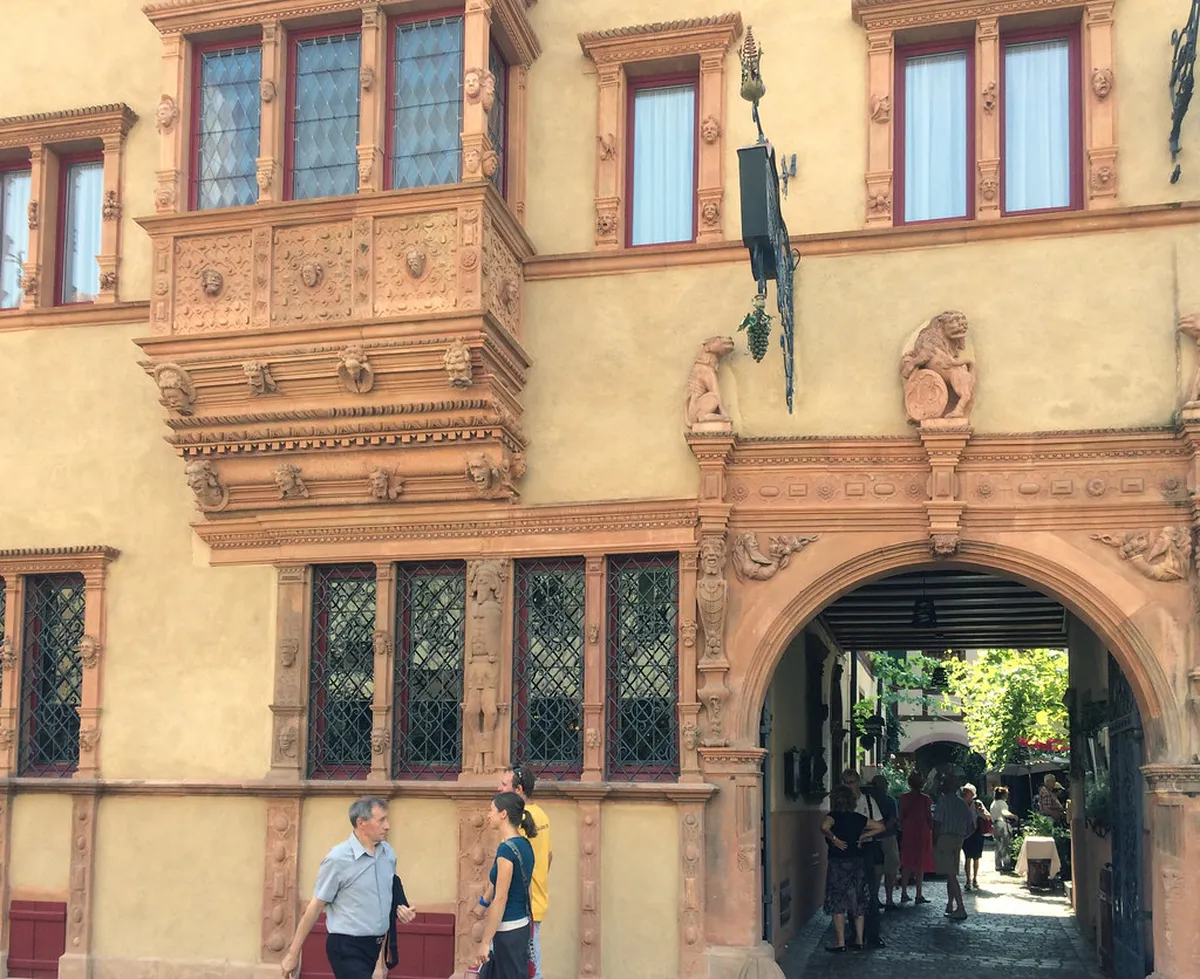
This grand building represents a prime example of the German Renaissance style in Colmar. It features 106 unique stone heads carved directly onto the historic stone facade. The structure dates back to 1609 and originally served a wealthy local merchant. Today, this famous landmark hosts a luxury hotel and a high-end restaurant.
You will find the house at 19 Rue des Têtes in the city center. It is very easy to reach while exploring the main pedestrian areas of Colmar. The intricate stone carvings represent different social classes and various characters from local folklore. This building remains one of the most important historic buildings in Colmar for history lovers.
- Grotesque masks showing many funny or scary expressions from ancient local folklore.
- Detailed portraits of important local citizens who lived in the city during that time.
- Mythical figures expertly carved into the decorative window frames and the stone columns.
The building also features a beautiful three-story oriel window that catches the sunlight perfectly. This architectural element was very popular during the Renaissance period in this part of Europe. It allowed residents to look down the street while staying warm inside their homes. You should bring a good camera to capture the fine details of this stonework.
Maison Pfister: Renaissance Architecture Colmar Notable Examples
Maison Pfister stands as a symbol of the city's architectural wealth and artistic history. Built in 1537, it blends medieval traditions with new Renaissance decorative elements very effectively. You can see beautiful paintings of biblical scenes and emperors on the exterior walls. This house remains one of the most photographed spots in all of France today.
The house was commissioned by a wealthy hatter named Ludwig Scherer in the sixteenth century. It features a long wooden gallery and a turret that towers over the narrow street. The name comes from the Pfister family who restored the building in the nineteenth century. It represents the transition from Gothic styles to the more decorative Renaissance era aesthetics.
Exploring this area is much easier if you follow a dedicated Colmar architecture walking tour guide. This ensures you do not miss the smaller details hidden high up on the facades. The paintings on Maison Pfister tell stories that were important to the people of 1537. Take your time to study the allegorical figures representing faith, hope, and charity.
The Ancien Corps de Garde (Former Guardhouse)
The Ancien Corps de Garde is another essential stop for fans of Renaissance design. This building was constructed in 1575 on the site of a much older chapel. It served as a market hall and a housing unit for the city guards. The architecture features a stunning loggia with intricate stone pillars and very delicate carvings.
The loggia served as a platform for officials to make important public announcements to citizens. You can see the influence of Italian design in the graceful arches of this structure. It is located directly next to the Koïfhus, which is the old customs house building. This central location makes it a perfect landmark for meeting friends during your city exploration.
The roof features colorful tiles that are very typical of the wider Alsace region styles. These vibrant patterns add a unique charm to the Renaissance architecture Colmar notable examples found here. Modern visitors can walk under the arches to appreciate the stone craftsmanship from close range. It is a great place to stand and watch the busy world go by.
Renaissance Influences in the Koïfhus Area
The Koïfhus served as the economic heart of Colmar for several hundred years of history. While parts of it are Gothic, the Renaissance additions show the city's evolving artistic tastes. It was once the primary place where all imported goods were taxed and stored. The grand staircases and decorated windows reflect the importance of trade in the sixteenth century.
You will notice how the building uses both stone and timber in its massive construction. This combination is common among many hidden architectural gems in Colmar nearby. The large courtyard often hosts cultural events and traditional Christmas markets during the winter season. It remains a vital part of public life for locals and visitors in 2025.
Walking around the Koïfhus allows you to see the blend of different architectural periods clearly. The northern facade displays classic Renaissance symmetry and decorative motifs that were popular at the time. Look for the coat of arms and various inscriptions carved into the ancient stone walls. These details provide a direct link to the powerful families of old Colmar.
Planning Your 2025 Colmar Architecture Walk
Visiting Colmar in 2025 requires some basic planning to see all the best historic sites. Most Renaissance buildings are located within the pedestrian zone of the old town district. You can easily walk between all the major landmarks in about two or three hours. Wear comfortable shoes because the historic streets still feature their original bumpy cobblestone surfaces.
The best light for photography usually occurs during the early morning or the late afternoon. During these times, the sun highlights the textures of the stone and the wooden beams. You will also find fewer people blocking your view of the most famous building facades. Consider visiting during the spring months to see the city decorated with beautiful fresh flowers.
Many local shops and cafes near these landmarks offer traditional Alsatian snacks and regional wines. You should stop for a break at a terrace to admire the architecture while eating. This allows you to soak in the atmosphere of the Renaissance era at a slow pace. Exploring the city on foot is truly the best way to experience its history.
Frequently Asked Questions
What is the most famous Renaissance building in Colmar?
The Maison Pfister is widely considered the most famous Renaissance building in the city. It was built in 1537 and features stunning paintings and a beautiful wooden gallery. You can find it right in the heart of the historic merchant district.
Is Renaissance architecture common in Colmar?
Yes, you can find many Renaissance architecture Colmar notable examples throughout the historic old town. The city has preserved these buildings very well over several hundred years of history. They represent the transition from medieval times to the early modern era.
Can I go inside the Maison des Têtes?
You can visit the interior if you are a guest at the hotel or restaurant. Otherwise, you can admire the 106 stone heads from the street for free at anytime. The exterior remains the most impressive part of this historic Renaissance structure.
Colmar offers a unique window into the past through its incredibly well-preserved Renaissance buildings. You can spend days discovering all the Renaissance architecture Colmar notable examples in the old town. Make sure to bring your camera to capture the beauty of this French treasure in 2025. Book your trip today to experience the magic of Alsatian history for yourself.
Key Takeaways
- Visit Maison Pfister to see 16th-century paintings on a historic facade.
- Look for the 106 stone heads on the famous Maison des Têtes.
- Explore the Koïfhus area to see the blend of Gothic and Renaissance styles.
- Plan your architecture walk for early morning to get the best photos.
Related reads: streetartly.com.