
Fontainebleau Architecture Photography Techniques Guide
Master the Fontainebleau architecture photography techniques guide to capture the palace and street art. Start your 2025 French photography adventure with our tips.
On this page
Fontainebleau offers a stunning mix of royal history and modern style for every visiting photographer in 2025. This Fontainebleau architecture photography techniques guide helps you capture the incredible beauty of the city perfectly. This city blends grand royal palaces with vibrant street scenes for every traveling artist and creator. Explore these unique sites during your upcoming 2025 trip to this historic part of France.
Our expert guide provides the best ways to photograph the diverse architectural styles found throughout the city. You will learn how to handle challenging light and find the best angles for every building. Every corner of the city offers a new opportunity to build a truly professional photography portfolio. Let us explore the technical and creative aspects of photographing this French masterpiece with your camera.
Timing Your Shoots for Perfect Light
The golden hour provides the most beautiful light for all these historic French buildings today. Sunrise creates long and dramatic shadows across the cobblestone streets and the ancient castle walls. Early morning light highlights all the intricate details of the famous French Renaissance style quite clearly. You should always aim to arrive at the palace grounds before the main gates actually open.
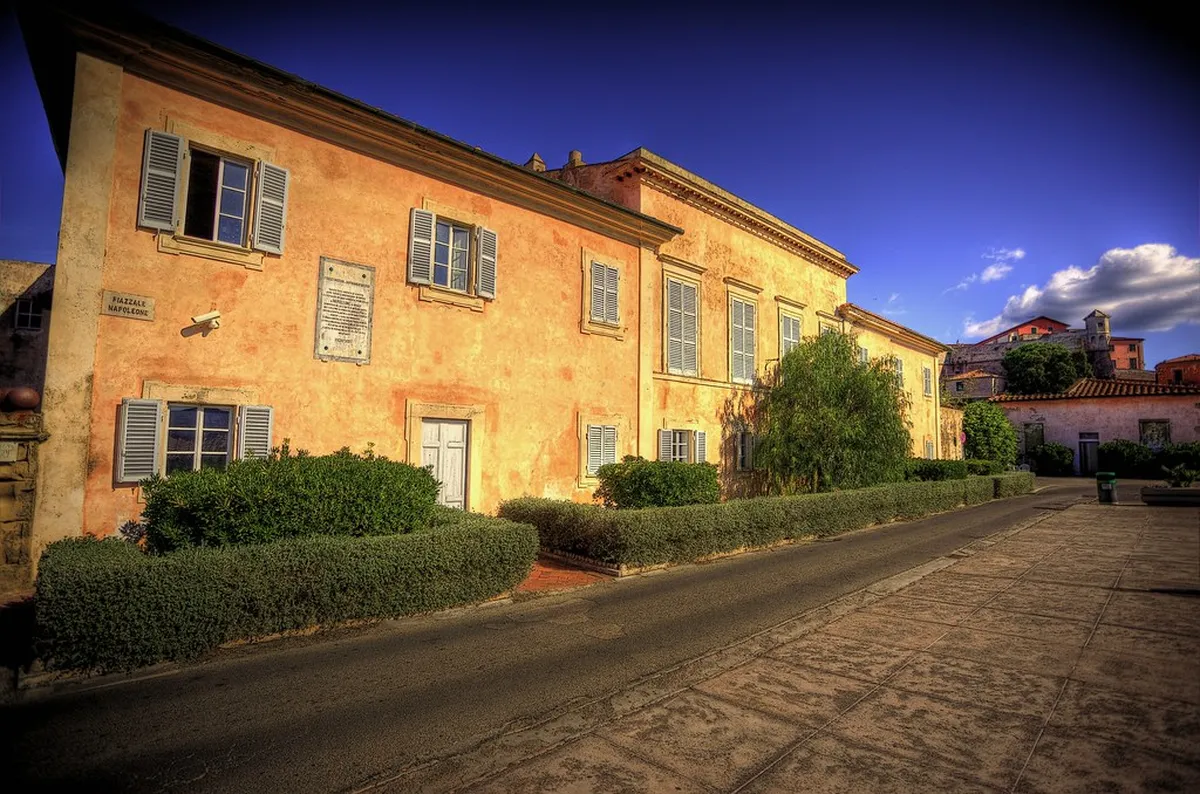
Evening light offers a soft and warm glow on the beautiful yellow sandstone facades of the city. The blue hour is ideal for capturing the city's charming street lamps and the quiet night scenes. You must try to avoid the harsh midday sun during your professional outdoor photography sessions here. This soft light makes the historic buildings of Fontainebleau France look truly majestic for your creative portfolio.
Winter light in Fontainebleau has a unique quality that creates a very soft and moody atmosphere. The lower sun path provides interesting angles for shadows during the entire day in the colder months. You should check the local weather forecasts to plan your shoot around the clearest sky possible. Cloud cover can also act as a massive natural softbox for capturing fine architectural textures easily.
Night photography requires a steady tripod to capture the illuminated palace and the busy central streets. Use long exposures to turn moving car lights into beautiful streaks across your wide architectural frames. The contrast between the dark sky and the warm building lights creates a very dramatic visual effect. Plan your route through the town center to find the most colorful nocturnal scenes for your camera.
Composition for Grand Palaces and Estates
Use leading lines to guide your viewers toward the main palace entrance and the grand courtyards. The long stone driveways provide excellent perspective for your wide-angle shots of the royal estate. Symmetric compositions work perfectly for the classic French garden layouts found surrounding the main palace buildings. Place your tripod directly in the center of the gravel paths for a balanced and formal look.
Include foreground elements like colorful flowers or stone statues to add significant depth to your images. These elements create a powerful sense of scale for the massive and imposing buildings in the background. Look for natural frames like stone arches or overhanging tree branches in the surrounding public parks. This technique effectively focuses the viewer's eye on the primary architectural subject of your beautiful photo.
Shoot from a low angle to make the palace towers appear even more impressive and tall. This perspective emphasizes the grandeur of the French royalty that once lived within these historic stone walls. Wide-angle lenses are perfect for capturing the massive scale of the courtyards in a single frame. Ensure your camera is level to avoid any distracting distortion of the vertical lines in your shot.
Reflections in the nearby ponds and lakes offer a unique way to capture the palace architecture twice. Calm mornings provide a mirror-like surface on the water for perfectly symmetrical and artistic landscape images. Position your camera close to the water's edge to maximize the size of the architectural reflection. This technique adds a layer of tranquility and professional polish to your French photography collection.
Capturing Urban Art and Architecture Together
The city of Fontainebleau features a unique blend of heritage architecture and creative modern murals today. You can find modern art nestled within the ancient stone alleys located near the bustling town center. This contrast creates a powerful visual story for your growing photo gallery of French urban life. Many artists use the natural textures of the old walls to enhance their colorful and vibrant work.
Follow these Fontainebleau urban art photography tips for the best results during your 2025 visit. Focus on the interesting interaction between the fresh paint and the ancient building materials like sandstone. Macro shots of peeling paint and stone carvings add great variety to your architectural photo series. These small details reveal the long passage of time in this historic and evolving French city.
Wide shots that show the street art in its architectural context are very popular with modern viewers. These photos demonstrate how the local community interacts with the historic environment through their creative public art. Look for murals that complement the colors or the shapes of the surrounding historic French buildings. This thoughtful approach creates a more cohesive and visually pleasing image for your social media fans.
Use a medium focal length to capture both the mural and the street life passing by it. This lens choice helps to avoid the distortion found in wider lenses while keeping the scene realistic. Capturing a local resident walking past a modern mural provides a sense of scale and human connection. These candid moments make your architectural photography feel more alive and relevant to the modern world.
Essential Gear and Recommended Camera Settings
A high-quality wide-angle lens remains essential for capturing the entire palace wings during your 2025 visit. Use a focal length between 16mm and 35mm for the best coverage of these large structures. A sturdy tripod ensures sharp images during your low light photography sessions in the early morning hours. Polarizing filters help to reduce the glare from the palace windows and the beautiful garden ponds.
Keep your aperture set between f/8 and f/11 for maximum sharpness across the entire photo frame. Low ISO settings will prevent any unwanted digital noise from appearing in your high-quality architectural photos. Use a remote shutter release to avoid any camera shake during your long exposure landscape shots. This technical setup is perfect for documenting modern architecture in Fontainebleau as well as the older sites.
Carry a microfiber cloth to keep your lenses clean from the dust and rain of northern France. Prime lenses often provide better sharpness for capturing the fine details of the historic stone carvings. A tilt-shift lens is the professional choice for keeping your vertical lines perfectly straight in every shot. These lenses allow you to photograph tall buildings without tilting the camera and creating perspective distortion.
Spare batteries are necessary for long days of exploring the palace and the vast surrounding forest area. Ensure you have plenty of fast memory cards to handle the large files from your architectural shoots. A weather-sealed camera body provides peace of mind when shooting in the unpredictable French weather conditions. Organize your gear in a comfortable backpack to make walking through the city streets much easier.
Creative Perspectives on Hidden Architectural Gems
Explore the narrow side streets away from the main tourist paths to find the best secrets. These hidden corners often house beautiful private mansions and secret gardens that many visitors simply miss. Look up at the rooflines to find unique gargoyles and decorative elements from different historical eras. Each corner of the city offers a different architectural surprise for those who take the time.
Photograph the hidden architectural gems of Fontainebleau to make your portfolio stand out from others. Low-angle shots make the narrow town buildings appear more imposing and grand in your final images. Reflections in rain puddles or old shop windows can provide a creative and artistic twist today. Try shooting through decorative gates to create a sense of mystery and depth for your viewers.
Look for the play of light on the different textures of wood, stone, and metal surfaces. The city features many ornate doors that are perfect subjects for a detailed architectural study series. Capture the contrast between the dark wooden doors and the light sandstone walls of the city center. These close-up images tell a story of craftsmanship and history that wide shots often miss entirely.
Staircases found in the public buildings offer wonderful opportunities for geometric and abstract photography with your lens. Look for the spiral shapes and repeating patterns of the railings to create a strong visual impact. Use a wide aperture to blur the background and focus on a single architectural detail or texture. This creative approach adds a fine-art quality to your travel photography collection from your French trip.
Frequently Asked Questions
What is the best month for architecture photography in Fontainebleau?
The best times are during the spring and early autumn months of 2025 for light. May and September offer mild weather and the most beautiful natural lighting for the historic buildings. You will also find fewer tourists blocking your clear views of the major city monuments.
Do I need a permit to photograph the Palace of Fontainebleau?
Personal photography is generally allowed for free within the public areas and the main palace gardens. However, you should always check the official website for current rules regarding tripod use and commercial shoots. Some interior rooms may have restrictions on flash photography to protect the ancient and delicate art.
Where can I find the best street art for architectural photos?
The areas surrounding the main market square and the side streets near the train station are excellent. You will find several murals that contrast beautifully with the traditional French architecture of those local neighborhoods. Walk toward the outskirts of the town to find more modern and experimental urban art pieces.
Fontainebleau is a true masterpiece of design that is waiting for your professional camera lens in 2025. This Fontainebleau architecture photography techniques guide ensures you get the best shots during your French visit. Use these tips to build a stunning and diverse portfolio of the local French heritage. Start planning your creative journey to this beautiful and historic city to capture its magic today.
Key Takeaways
- Shoot during the golden hour to get the best light for the sandstone palace facades.
- Use symmetric compositions and leading lines to emphasize the grand scale of royal estates.
- Combine urban murals with historic textures to create a compelling visual story of the city.
- Always use a tripod and a wide-angle lens for the sharpest architectural images possible.
Related reads: streetartly.com, street art and architecture in fontainebleau.