
Renaissance Architecture in Fontainebleau, France: Key Examples
Explore stunning Renaissance architecture examples in Fontainebleau, France. Learn about its unique style and key features. Plan your visit in 2025!
On this page
Fontainebleau, France, holds a special place in history. It became the birthplace of French Renaissance architecture. King Francis I transformed a medieval castle. He invited Italian artists and craftsmen. This unique fusion created a distinctive style.
You can find many magnificent Renaissance architecture examples in Fontainebleau. The Château de Fontainebleau stands as its crowning jewel. This article explores these impressive structures for your 2025 visit. For more on the region's diverse styles, check out French architectural styles in Fontainebleau.
The Birth of French Renaissance at Fontainebleau
King Francis I initiated the French Renaissance. He brought Italian masters like Rosso Fiorentino to France. These artists introduced new ideas and techniques. Fontainebleau became a hub for this artistic revolution. This period marked a significant cultural shift.
The king's vision was grand and ambitious. He sought to rival the great Italian courts. His court at Fontainebleau embraced new aesthetics. Art, architecture, and garden design flourished. This royal patronage defined the era.
The School of Fontainebleau emerged from these efforts. It combined Italian Mannerism with French sensibilities. Artists developed a unique decorative style. This influence spread across France. It shaped subsequent architectural trends.
Many artists contributed to this golden age. Primaticcio and Nicolò dell'Abbate were key figures. They adorned the château with intricate frescoes. Their work remains visible today. Their legacy is deeply embedded in Fontainebleau's identity.
Francis I's efforts transformed the royal estate. It evolved from a medieval fortress. It became a lavish Renaissance palace. This pivotal moment set the stage. It established Fontainebleau as a cultural icon.
Château de Fontainebleau: A Royal Masterpiece
The Château de Fontainebleau is the prime example. It showcases the grandeur of Renaissance architecture. Its construction spanned several centuries. However, its core design reflects the early French Renaissance. Explore its fascinating Palace of Fontainebleau architecture history.
The famous Francis I Gallery is a highlight. Rosso Fiorentino decorated this long hall. It features intricate frescoes and stucco work. Mythological scenes adorn the walls. This gallery embodies the fusion of arts.
Henri II continued the palace's expansion. He added the Ballroom (Salle de Bal). This impressive space boasts magnificent wooden ceilings. Primaticcio contributed many designs here. Visitors can admire its lavish decoration.
The Cour Ovale retains medieval elements. However, Renaissance additions transformed it. The Portique de Serlio is a prominent feature. It demonstrates classical influences. This courtyard offers a journey through time.
Walking through the château reveals many details. Look for allegorical figures and elaborate carvings. Each room tells a story. Admission fees for adults start around 13 euros. Check the official website for 2025 opening hours and booking details.
Key Characteristics of Fontainebleau Renaissance Style
The Fontainebleau style blends Italian Mannerism and classicism. It avoids strict classical rules. Instead, it favors elegance and sophistication. This approach creates a distinct aesthetic.
Decorative elements are highly significant. You will often see elaborate stucco work. Grotesques, garlands, and mythological figures are common. These details enrich the architectural surfaces. They create a sense of movement.
Frescoes played a crucial role. Artists adorned large wall sections with vibrant murals. These paintings often depicted allegorical themes. They transformed interior spaces. The Francis I Gallery is a prime example.
The use of loggias and galleries became popular. These open, columned structures connected different sections. They offered views of the gardens. They also provided sheltered walkways. This design maximized light and space.
Renaissance gardens also complement the architecture. Geometric patterns and fountains defined them. King Francis I introduced new garden styles. These green spaces provided a beautiful backdrop. They enhanced the overall royal experience.
Exploring Fontainebleau's Architectural Legacy in 2025
Plan your trip to Fontainebleau in spring or fall 2025. The weather is pleasant then. Crowds are also typically smaller. This allows for a more relaxed exploration. You can fully appreciate the architecture.
Consider taking a guided tour of the Château. Experts provide valuable insights. They can highlight hidden details. Many tours are available in English. Book your tickets online in advance to save time.
Beyond the Château, explore the town. Many local buildings show Renaissance influences. Wander through the charming streets. You might discover subtle architectural details. The town itself is an open-air museum.
A dedicated walking tour is highly recommended. It helps you find less obvious gems. You can explore the town's historical layers. Consider following a self-guided route. Check out a Fontainebleau architecture walking tour for ideas. This ensures you cover all the key spots.
Allow ample time for your visit. The château alone can take several hours. Exploring the gardens and town requires more. A full day is ideal. This allows for a truly immersive experience.
Frequently Asked Questions
What is the best time to visit Fontainebleau for architecture in 2025?
The best time to visit Fontainebleau for architecture is spring or fall. From April to June, the weather is mild. September and October also offer comfortable temperatures. Crowds are generally thinner than during peak summer months. This allows for a more enjoyable exploration of the sites.
Who were the main architects of Renaissance buildings in Fontainebleau?
While specific architects are sometimes debated, key figures shaped Fontainebleau's Renaissance. Rosso Fiorentino and Primaticcio, Italian artists, heavily influenced the decoration. Gilles le Breton was a significant French master mason. He oversaw many crucial construction projects. His work integrated new styles. You can learn more about historic buildings in Fontainebleau.
Are there other Renaissance buildings to see besides the Château de Fontainebleau?
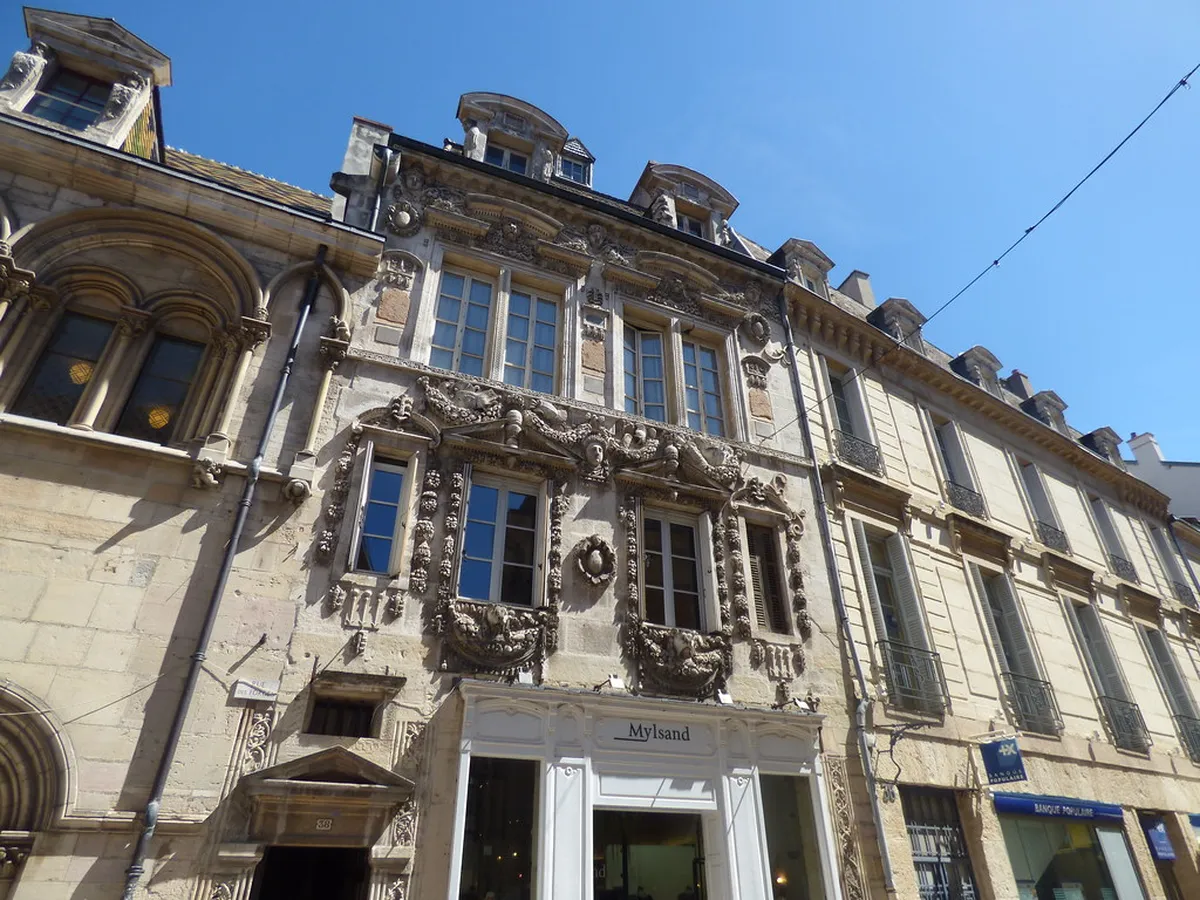
The Château de Fontainebleau is the most prominent example. However, its influence spread throughout the region. Many private mansions in Fontainebleau incorporate Renaissance elements. Explore the town's older sections. You might find facades reflecting this historical style. While less grand, they show the era's impact. The Church of Saint Louis also has some Renaissance features.
Fontainebleau remains a testament to the French Renaissance. Its architectural examples, especially the Château, are magnificent. They showcase a unique blend of Italian artistry and French innovation. Plan your visit to discover this rich historical legacy. You will be captivated by its beauty and stories. This artistic heritage continues to inspire today.
Key Takeaways
- The Château de Fontainebleau is the quintessential example of French Renaissance architecture, especially the Francis I Gallery.
- The Fontainebleau style uniquely blends Italian Mannerism with classical French elements, seen in stucco, frescoes, and garden design.
- Visit in spring or fall 2025 for pleasant weather and fewer crowds to best explore the château and the town's architectural gems.
- Allow a full day to thoroughly explore the Château, its gardens, and the charming town's historical buildings.