
Grenoble Architectural Innovations Since 2000 Guide
Explore Grenoble architectural innovations since 2000. Discover modern eco-districts and sustainable designs in the French Alps for your 2025 trip. Book now!
On this page
Grenoble is a city that embraces bold change. This guide explores Grenoble architectural innovations since 2000 in detail. It sits at the foot of the stunning French Alps. Architects here face unique challenges due to the landscape. They must build structures that withstand alpine weather. Modern designs focus on sustainability and urban growth. These spaces define the spirit of this mountain hub. You will see how nature and steel work together. Discover the fusion of innovation and beauty today.
The city leads the way in green urban planning. Many projects have won international design awards recently. Walk through streets filled with glass and wood structures. This evolution makes the city a top travel spot. Exploring these sites offers a look at future living. It is a journey through modern French creativity. Most sites are easy to reach by foot or tram.
The De Bonne District Eco-Neighborhood
The De Bonne district represents a major milestone. It was the first official eco-neighborhood in France. Designers converted an old military barracks into a park. This project won several national awards for sustainability. It shows how modern architecture in Grenoble respects the environment. The area features solar panels and rainwater collection. You can walk through the central park for free.
Energy efficiency is the main goal here. Buildings use thick insulation to keep rooms warm. Large balconies provide shade during the hot summer months. Most residents enjoy low utility bills every year. The shops in this area focus on local goods. Expect to pay ten euros for a light lunch. It is a perfect spot for afternoon strolls. The district is quiet and very family-friendly.
The architecture blends old stone with new glass. You can see the original barracks walls today. Modern apartment blocks surround these historic structures. This mix creates a unique visual atmosphere. It highlights the city's respect for its long history. Green roofs cover many of the newer buildings. These plants help regulate the temperature of the city. Nature is never far from the concrete paths.
Visiting this district is a must for designers. It serves as a blueprint for green cities. You can reach it via tram line C easily. Most tours of the area take two hours. Local guides explain the technical details of the vents. Look for the unique wooden window frames nearby. They represent the latest in eco-friendly construction materials.
Exploring Grenoble Architectural Innovations Since 2000
The Presqu’île district serves as a global research hub. Architects transformed this industrial site into a modern campus. The buildings feature sharp angles and reflective glass. This area highlights the scientific identity of the city. It represents a bold step for contemporary buildings to visit in Grenoble today. Giant labs sit next to student housing blocks. The design encourages collaboration between different scientists.
One major project is the giant syncrotron building. Its circular shape is visible from the mountains. This facility attracts researchers from all over the world. The exterior uses high-tech panels to save energy. Most visitors admire the clean lines of the facade. Tram line B stops right in the center. Walking paths connect the labs to the river banks. It feels like a city of the future.
Public spaces here are wide and very open. Benches are made from recycled plastic and wood. You will find many spots to rest and think. The lighting at night is also very innovative. LED systems reduce power use across the entire peninsula. It is a safe area for evening walks. Many buildings have cafes on the ground floor. Coffee prices are usually around three euros here.
New bridges connect the peninsula to the city. These structures use light steel to cross the water. They allow for easy bike and foot travel. Cycling is the best way to see the area. Renting a bike costs about fifteen euros per day. The views of the river are quite spectacular. You can see the peaks from every street corner. This area truly defines the 2025 urban vision.
Sustainable High-Rise Living and the Haut-Bois
Grenoble embraces vertical growth to save ground space. The Haut-Bois building stands as a prime example. It is a tall structure made primarily of wood. This design reduces the carbon footprint significantly. It was completed in 2020 to great acclaim. Many call it one of the award-winning modern architecture in Grenoble sites. The wood comes from local alpine forests.
The tower has fifteen floors of modern apartments. Large windows offer views of the Belledonne mountains. Residents use a central heating system for efficiency. This reduces energy waste during the cold winters. The wood finish creates a warm visual effect. It contrasts beautifully with the blue alpine sky. Fire safety was a major focus during construction. Special coatings protect the timber from heat damage.
Living in a wooden skyscraper is a new concept. It proves that wood is a viable building material. This project inspired many other cities in France. You can view the exterior from the street. It is located near the Olympic village site. This area has a rich history of innovation. Modern parks surround the base of the tower. Families often play there on sunny weekend mornings.
Nearby you will find other innovative housing projects. Some use stacked cubes to create unique shapes. These designs provide every resident with a garden. Vertical forests are becoming common in the city center. They help clean the mountain air every day. Urban density is handled with great creative care. The city looks very different than it did before. Every new block tells a story of change.
Cultural Spaces and Public Infrastructure
The MC2 cultural center received a massive renovation. Its sleek design complements the surrounding urban landscape. This building hosts theaters and dance studios daily. It demonstrates how modern design serves the local public. Reopened in 2004, it remains a central hub. The glass lobby is a work of art. You can buy show tickets for thirty euros. It is located in the southern city district.
The tram network is also an architectural feat. Modern stations use glass and metal for shelter. Each line connects different parts of the city. The stations are designed to be very accessible. Ramps and lifts help people with limited mobility. This infrastructure was expanded greatly after the year 2000. It makes the city very easy to navigate. A daily tram pass costs five euros fifty.
New schools also show off modern design styles. They use bright colors and open courtyards. Natural light is a priority in every classroom. Architects want to create better learning environments here. These buildings are often very energy efficient too. Solar panels sit on almost every school roof. You can see these sites while Grenoble architecture walking through local neighborhoods. Education and design go hand in hand here.
Public libraries have also seen major modern updates. The Kateb Yacine library is a great example. It features a transparent facade and cozy nooks. Visitors can read while looking at the mountains. Entry to the library is free for everyone. It stays open until late in the evening. The interior design is functional and very chic. It is a quiet escape from the city.
The Interplay of Art and Architecture
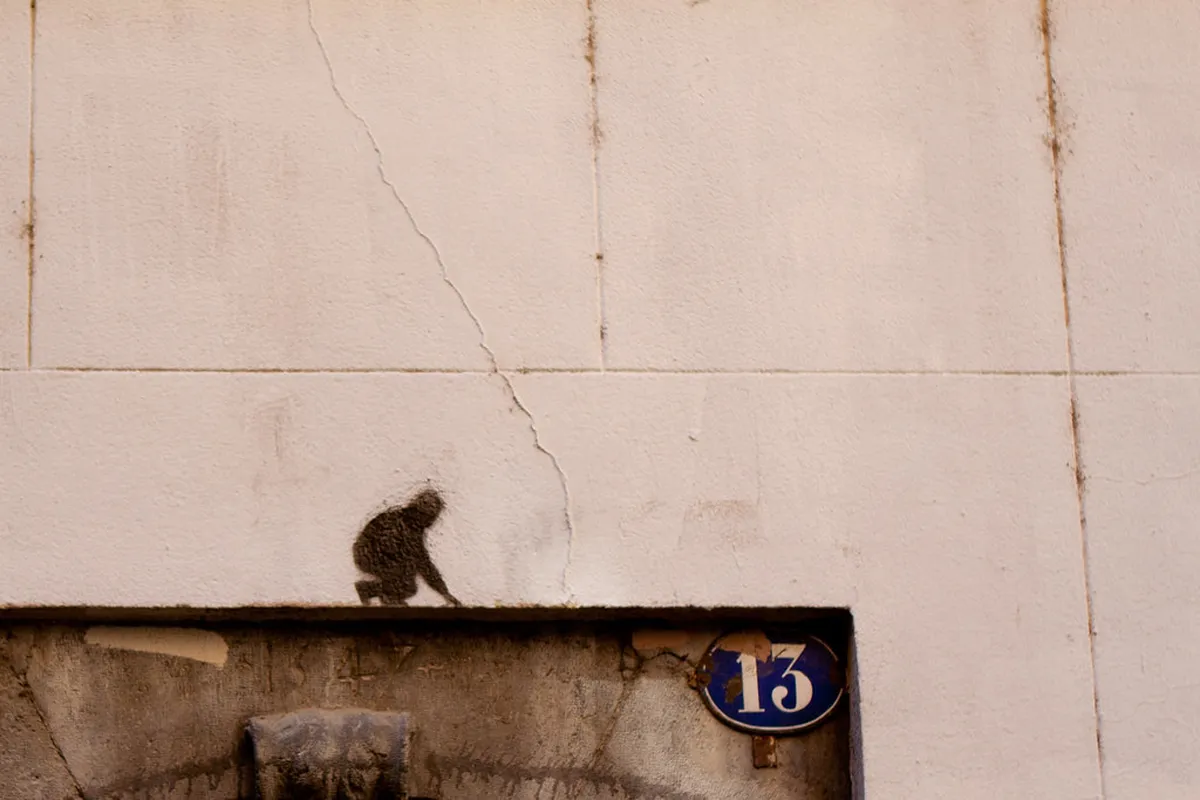
Street art often decorates the newest concrete walls. The city uses murals to soften hard lines. This creates a unique visual dialogue for visitors. You will see giant paintings on modern blocks. These artworks change the feel of the neighborhood. The Street Art Fest started here in 2015. It brings artists from all over the globe. Each mural tells a specific local story.
Architecture provides a canvas for these large murals. Concrete facades become vibrant galleries for the public. This trend helps revitalize older modern districts. It attracts many tourists to the city center. You can take a guided tour for ten euros. Most tours last about ninety minutes total. The art makes the buildings feel more alive. It is a unique part of the city.
- Large scale murals on housing blocks
- Creative sculptures in public plazas
- Color coded paths for walking tours
- Innovative lighting for art at night
The murals often reflect environmental themes today. They remind people of the nearby mountain peaks. Some art even uses special air-purifying paint. This innovation matches the city's green goals perfectly. You can find these spots using a map. Most map apps list the major mural sites. It is a fun way to explore. The city is a living museum of design.
Photography is very popular in these modern areas. The mix of art and steel is stunning. Aim for the golden hour for best shots. The shadows create deep patterns on the walls. Most artists approve of non-commercial photo sharing. Use your phone to capture the vibrant colors. The city is very photogenic from every angle. It is a paradise for modern urban explorers.
Frequently Asked Questions
What is the most famous modern building in Grenoble?
The Haut-Bois tower is a very famous site. It is a high-rise made mostly of wood. This building represents the city's commitment to green design. You can find it near the city center. It has won many awards since 2020.
Is the modern architecture in Grenoble easy to visit?
Yes, most sites are reachable by the tram. You can also walk between many major buildings. The city is very flat in the center. This makes walking tours easy for most visitors. A tram ticket is very affordable too.
Are there guided tours for architectural innovations?
Several local groups offer architecture tours in 2025. These tours often focus on the eco-neighborhoods. They cost between ten and twenty euros. You can book them online or at the office. Guides speak both French and English fluently.
Grenoble is a leader in modern urban design. The city proves that mountains and steel can coexist. You should visit the eco-districts to see the future. Every street offers a lesson in sustainable living. Plan your trip to see these wonders in 2025. You will leave with a new view of design. Check out a modern architecture in Grenoble guide for more tips today.
Key Takeaways
- Visit the De Bonne district for eco-friendly design.
- The Haut-Bois tower is a must-see wooden skyscraper.
- Use the tram system to reach research hubs easily.
- Look for street art on modern concrete facades.
- Spend time in the scientific Presqu’île peninsula area.
Related reads: streetartly.com.