
Old Customs House Colmar History: A 2025 Guide
Explore Old Customs House Colmar history in 2025. Learn about the Koifhus, its unique roof, and medieval trade. Plan your visit with our expert tips today!
On this page
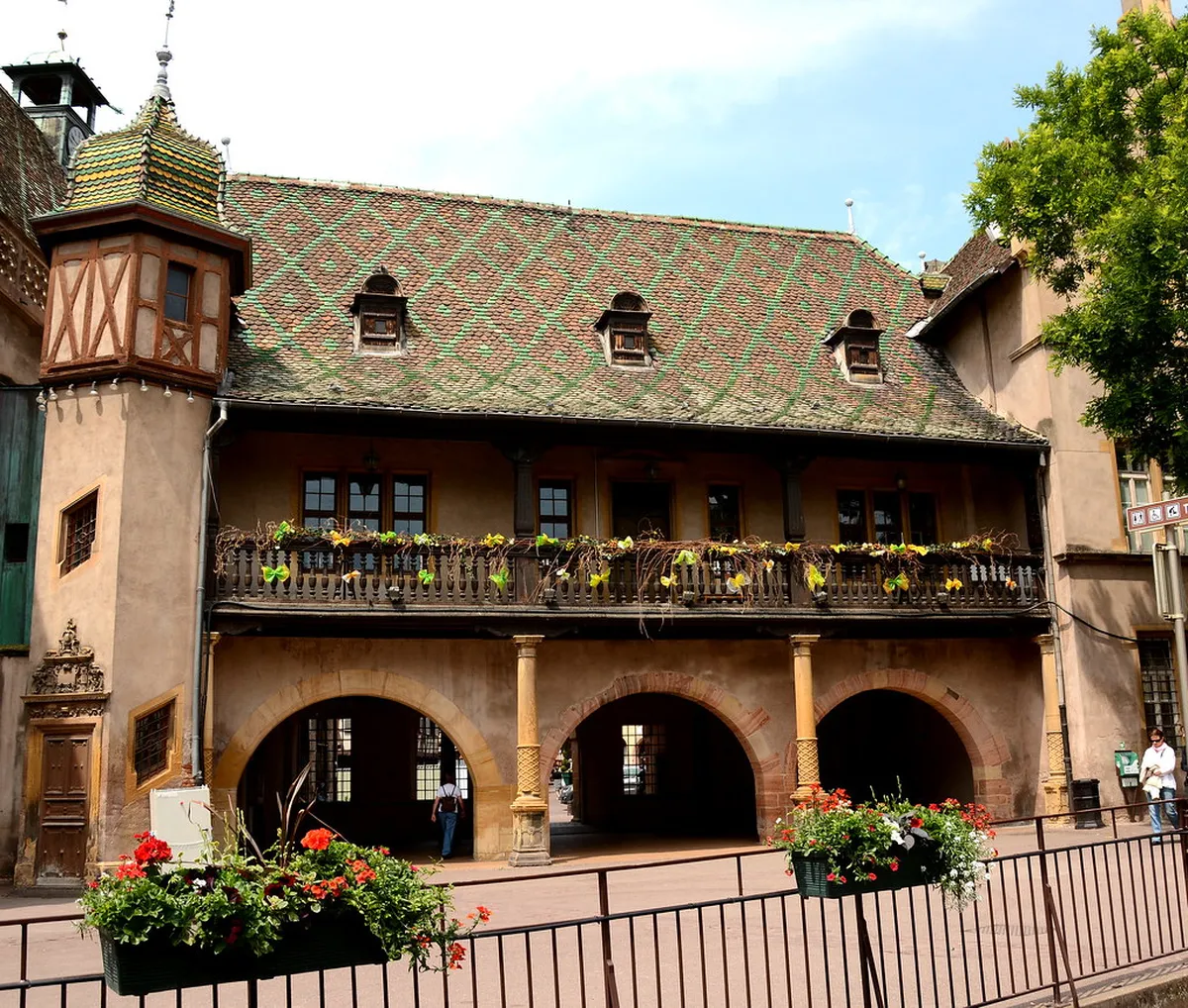
Exploring the Old Customs House Colmar history reveals a fascinating past that shaped the region for many centuries. This iconic building stands in the heart of the old town as a symbol of medieval economic power. Visitors in 2025 will find it to be one of the most photographed landmarks in all of France. It serves as a reminder of the city's golden age as a major trade hub.
The building is locally known as the Koifhus and sits at the intersection of two major merchant roads. Its central location allowed officials to monitor all trade goods entering the city walls during the Middle Ages. You can still feel the historical weight of this structure as you walk across its stone courtyard today. It remains a cornerstone of the city's architectural identity and cultural heritage.
Understanding the history of this site provides deep insights into the traditions of the Alsace region. From taxation to political meetings, the Koifhus has served many diverse purposes since the late fifteenth century. This guide will help you discover the hidden details that make the Old Customs House a mandatory stop. Prepare for a journey through time as we explore this magnificent French treasure.
Origins and Old Customs House Colmar History
The Old Customs House remains the oldest public building in Colmar with a history dating back to 1480. Merchants used this massive stone structure for the storage and taxation of all imported goods in the region. It played a vital role in managing the city's wealth and ensuring fair trade practices for everyone. The building reflects the economic importance of Colmar during the height of the medieval period.
Construction of the Koifhus began during a time of great prosperity for the local Alsatian merchants and traders. The city needed a secure place to store valuable items like wine, textiles, and various imported spices. These goods were often subject to complex tax laws that required a centralized government building for processing. This structure provided the necessary space for both administrative offices and large-scale warehouse storage.
Throughout the centuries, the building underwent several major renovations to maintain its structural integrity and grand appearance. Architects in the nineteenth century worked hard to preserve the original medieval character while adding necessary modern reinforcements. These efforts ensured that the building survived the many conflicts that occurred in this border region of France. Today, it stands as a testament to the enduring craftsmanship of the local master builders.
The ground floor originally featured large open arches that allowed horse-drawn carriages to enter for unloading goods. Officials would meticulously record every item that passed through these heavy doors to calculate the required tax payments. This revenue helped fund the development of the city's infrastructure and the construction of other famous landmarks. The Koifhus was truly the beating heart of the local economy for many generations.
Architectural Features of the Koifhus Building
The most striking feature of the building is its colorful roof covered in beautiful glazed ceramic tiles. These tiles create intricate geometric patterns that shine brightly when the sun hits them at the right angle. This style of roofing is a signature element of traditional Colmar architecture styles from the late Middle Ages. It represents the wealth and status that the city enjoyed during its most prosperous years.
The exterior of the building showcases a unique blend of Gothic and early Renaissance design elements and details. You can see ornate stone carvings around the window frames and the grand staircase located in the courtyard. These decorations highlight the artistic skill of the stonemasons who worked on the project during the fifteenth century. Every corner of the facade tells a story about the cultural influences present in Alsace.
The massive timber-framed roof structure is another engineering marvel that visitors should admire during their walk around the city. Huge oak beams support the weight of the thousands of ceramic tiles that cover the sprawling roof surface. This traditional construction method has allowed the building to withstand the test of time and harsh weather conditions. It remains one of the best-preserved examples of medieval civic architecture in the entire country.
Don't miss the double-headed eagle crest located above one of the main entrances to the historic building. This heraldic symbol represents the Holy Roman Empire and signifies the city's status as a free imperial town. It served as a reminder of the legal authority that the city held over its own trade and taxes. Seeing this crest today connects you directly to the political landscape of medieval Europe.
The Strategic Role of the Décapole Alliance
The Koifhus served as the official meeting place for the Décapole, which was an alliance of ten cities. These cities joined together to protect their common interests and maintain their independence within the Holy Roman Empire. They met regularly in the upstairs chambers of the Old Customs House to discuss vital political matters. These meetings shaped the future of the entire Alsace region for several hundred years.
The alliance focused on regional defense and the promotion of fair trade laws between the member cities and neighbors. By working together, these towns could resist the influence of powerful noble families who wanted to control their wealth. The Old Customs House provided a neutral ground where leaders could gather and negotiate important treaties and agreements. It was a place of significant diplomatic activity and high-level decision making.
Inside the upper hall, the walls are decorated with the coats of arms of each city in the alliance. These symbols remind visitors of the shared history and the strength found in the unity of these towns. The room still carries an atmosphere of solemnity that reflects the weight of the discussions held here long ago. It is a fascinating spot for anyone interested in the political history of medieval France.
The Décapole alliance eventually dissolved during the late seventeenth century after the region became part of the French kingdom. However, the legacy of this cooperation remains a source of pride for the local people in Colmar today. The Koifhus continues to stand as a monument to this unique period of regional self-governance and cooperation. It remains a central part of any historical tour through the beautiful streets of the city.
Modern Use and Seasonal Events in 2025
In 2025, the Old Customs House remains a vibrant center for public life and various cultural events in Colmar. The building frequently hosts traditional craft fairs where local artisans sell their handmade goods to tourists and residents. You can find beautiful pottery, intricate textiles, and delicious regional food specialties within the ancient stone walls. These markets provide a wonderful way to experience the living culture of the Alsace region.
The grand hall on the ground floor is often transformed into a gallery for contemporary art exhibitions and shows. These events create a unique contrast between the historical surroundings and the modern creative works on display for guests. Visitors can enjoy the work of local painters and sculptors while admiring the architectural details of the room. It is one of the best photo spots Colmar offers for interior shots.
During the summer months, the courtyard becomes a popular venue for outdoor concerts and theatrical performances for the public. The stone walls provide excellent acoustics that enhance the musical experience for everyone in the small, intimate audience. You can enjoy a glass of local Riesling wine while listening to traditional music in this historic setting. These performances are a highlight of the city's summer cultural calendar for international travelers.
Winter brings the world-famous Christmas market to the square surrounding the Old Customs House and its historic courtyard. The building is decorated with thousands of lights and festive ornaments that create a truly magical atmosphere for visitors. You can find unique holiday gifts and warm beverages inside the heated halls of the ancient customs house. It is the perfect place to celebrate the holiday season in the heart of Alsace.
Visiting Tips for the Old Customs House
The Koifhus is located at 29 Grand Rue, making it very easy to find during your walk through town. It is situated right in the middle of the pedestrian zone, so you should arrive on foot for convenience. Most visitors spend about thirty to forty-five minutes exploring the exterior and the accessible interior rooms of the building. Entry to the main courtyard is typically free for the public throughout the entire year.
If you want to see the interior halls, check the local event schedule for the days of your visit. Some areas may be closed for private functions or specific exhibitions that require a small entry fee for guests. Guided tours are often available through the local tourism office and provide much more detailed historical information and facts. These tours are highly recommended for history buffs who want to learn every detail about the site.
The best time to visit the Old Customs House is early in the morning before the large crowds arrive. You will have a better chance of taking photos without many other people blocking your view of the architecture. Late afternoon also offers beautiful soft lighting that highlights the colors of the glazed tiles on the famous roof. Be sure to bring a camera with a wide-angle lens to capture the full scale of the structure.
Keep in mind that the surrounding area is filled with charming cafes and restaurants where you can take a break. Many of these establishments offer outdoor seating with a direct view of the Koifhus and the bustling city square. It is a great place to sit and watch the world go by while enjoying a local snack. Plan your visit to include some time for relaxing in this historic and lively atmosphere.
Nearby Architecture and Historic Sites
The district around the Old Customs House is filled with other incredible examples of medieval and Renaissance building styles. You can easily walk from the Koifhus to the famous Pfister House in just a few minutes. This area represents the architectural core of the city and contains many of its most important historical landmarks. Each building has a unique story that contributes to the rich tapestry of the town's long history.
Walking south from the customs house will lead you toward the picturesque district known as Petite Venise or Little Venice. This area features colorful half-timbered houses lined up along the banks of the Lauch River for a stunning view. The transition from the massive stone of the Koifhus to the delicate wood frames is a beautiful sight. It shows the diversity of construction techniques used by the people of Colmar over the centuries.
You should also take the time to visit the nearby Dominican Church to see its impressive Gothic architecture and art. It houses several famous paintings that are considered masterpieces of the late medieval period in the region of Alsace. The church and the customs house together represent the religious and secular power centers of the ancient city. Both are essential stops for anyone who wants to understand the local history and culture.
The streets connecting these landmarks are filled with hidden architectural gems that many tourists often overlook during their stay. Look up at the gables and windows to find small carvings and decorative elements that reveal the past. Exploring these narrow alleys is the best way to discover the true character of this beautiful French city. Every corner holds a new surprise for those who take the time to look closely at details.
Frequently Asked Questions
What is the significance of the Old Customs House Colmar history for tourism?
The Old Customs House Colmar history is significant because it represents the city's medieval economic peak. It is the oldest public building and served as the political center for the regional Décapole alliance. Today, it attracts thousands of visitors who want to see its unique glazed tile roof and stone carvings. It is a key part of any historic buildings Colmar guide for modern travelers.
How can visitors see the interior of the Koifhus in 2025?
Visitors can see the interior of the Koifhus during various public events and local artisan markets held throughout 2025. The ground floor hall often hosts exhibitions that are open to the public during normal business hours. For a more detailed look, you can join a guided tour organized by the Colmar tourism office. These tours provide access to the upper chambers where historical meetings once took place.
Where is the Old Customs House located in Colmar?
The Old Customs House is located at 29 Grand Rue in the center of the pedestrian old town district. It is situated near the intersection of the city's main historical merchant roads from the middle ages. You can easily reach it on foot from any part of the city center within a few minutes. Most local maps highlight it as a major landmark for all tourists to find easily.
The Old Customs House remains one of the most important historical sites for anyone visiting Colmar in 2025. Its unique architecture and long history as a trade center make it a truly fascinating destination to explore. Whether you are interested in medieval politics or beautiful design, the Koifhus will certainly impress you. Make sure to include this landmark in your travel plans to experience the true heart of Alsace.
Key Takeaways
- The Koifhus is Colmar's oldest public building, dating back to 1480.
- The colorful glazed tile roof is a prime example of traditional Alsatian architectural style.
- It once served as the meeting place for the Décapole, a powerful alliance of ten cities.
- Visitors in 2025 can enjoy seasonal markets and cultural events inside the historic halls.
Related reads: streetartly.com, street art and architecture in colmar, dominican church colmar architecture facts.