
Architecture Photography Tips Clermont-Ferrand
Master architecture photography tips for Clermont-Ferrand to capture lava stone. Master lighting and composition in 2025. Start your photo journey today!
On this page
Clermont-Ferrand offers a unique visual experience for every photographer visiting France in the year 2025. The city features striking architecture made from dark volcanic stone found in the nearby mountains. These architecture photography tips for Clermont-Ferrand will help you capture stunning images of local landmarks. You will learn how to balance deep shadows and intricate textures on these unique black buildings.
Handling Light on Black Volcanic Stone
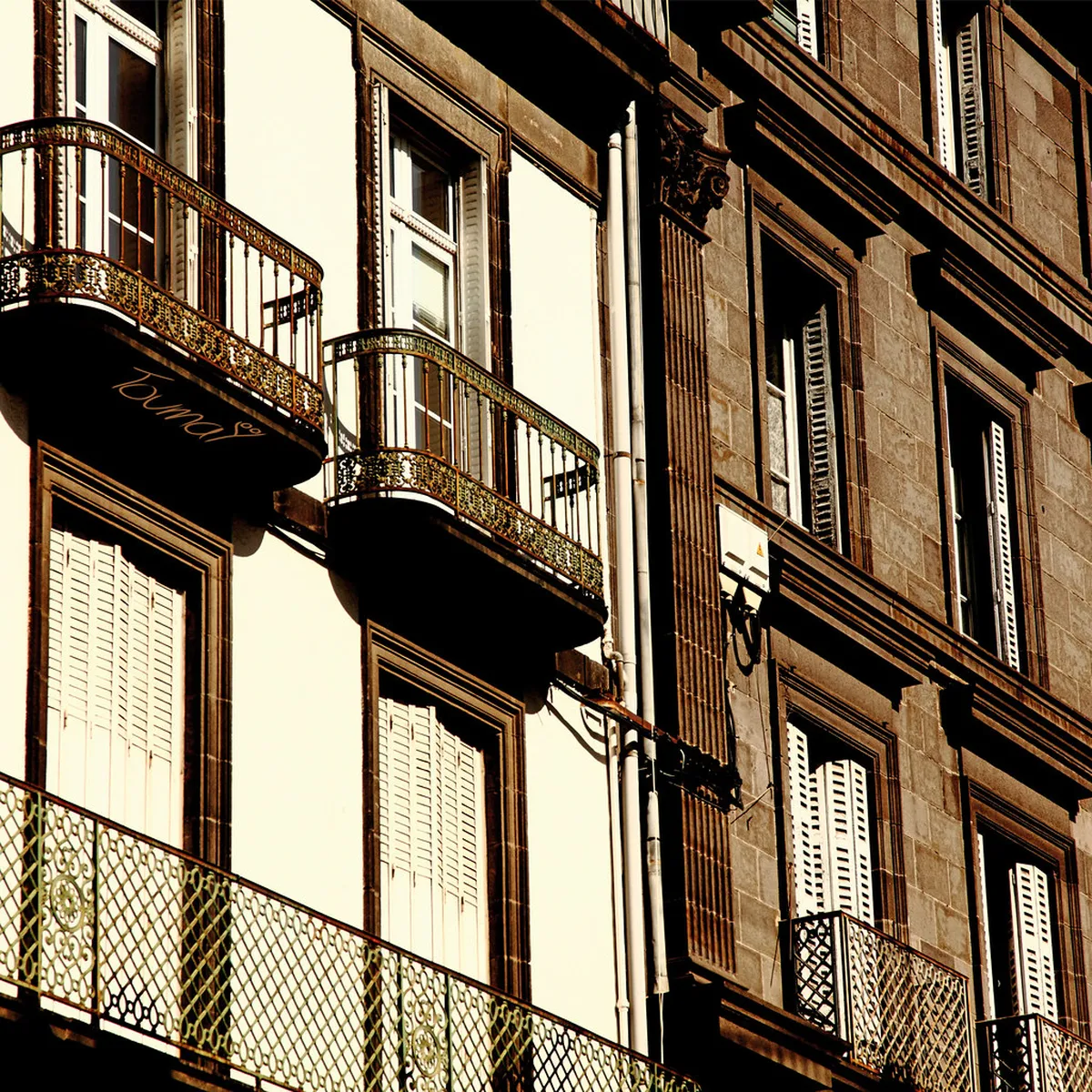
Most buildings in the historic center use dark Volvic stone for their main structural components. This volcanic material absorbs light differently than the standard limestone found in other French cities. You must watch your exposure levels carefully to avoid losing detail in the dark shadows. Bright sunlight creates high contrast against these dark surfaces during the middle of the day.
Cloudy days provide soft lighting that highlights subtle stone textures on the ancient city walls. Overcast skies act like a giant softbox for the city while you are shooting outdoors. This helps reveal the fine carvings on older facades without creating harsh or distracting shadows. You should use a tripod to capture these intricate details clearly in the softer light.
Afternoon light brings out the rich charcoal tones of the buildings in the old town. Shadows become long and add depth to your compositions as the sun begins to set. This is the perfect time for Instagrammable Clermont-Ferrand buildings shots with high-quality cameras. Ensure your camera sensor remains clean for these high-contrast scenes throughout your entire photo trip.
The changing seasons also affect how light interacts with the dark stone throughout the year. Winter light is low and casts dramatic shadows across the many squares of the city. Spring and autumn offer a warm glow that complements the natural texture of the volcanic rock. Always plan your shoot according to the position of the sun for the best results.
Photographing the Gothic Cathedral Details
The Cathedral of Notre-Dame-de-l'Assomption dominates the local skyline with its very dark and tall spires. These twin spires are visible from many points across the city during both day and night. You need a wide-angle lens to capture the full structure from the ground level effectively. Frame the spires from the narrow surrounding streets to create a dramatic sense of perspective.
The interior features magnificent stained glass windows and high vaulted ceilings for you to enjoy. Use a fast lens to manage the low light inside the main halls of the cathedral. A wide aperture helps you keep the ISO settings low while maintaining high image quality. This preserves the quality of your Cathedral Notre-Dame Clermont photos for your portfolio.
Look for gargoyles and intricate stone carvings on the exterior walls of this massive gothic building. Telephoto lenses allow you to isolate these fascinating decorative elements from a great distance away. Focus on the sharp edges of the black volcanic rock to emphasize the local masonry skills. These details tell the story of the city's unique history and its connection to the volcanoes.
Climb the nearby towers or find a rooftop terrace to get a higher vantage point. Higher angles allow you to capture the cathedral in context with the surrounding red roof tiles. This creates a beautiful contrast between the dark gothic stone and the colorful urban landscape below. High points offer a panoramic view of the entire chain of extinct volcanoes nearby.
Composition Tips for Romanesque Churches
The Basilique Notre-Dame-du-Port is a masterpiece of Romanesque design and a world heritage site. Its rounded arches and geometric patterns offer great symmetry for your professional architectural photos. Try to shoot from low angles to emphasize the building's mass and historic structural strength. This creates a sense of power in your final images of these ancient religious sites.
Look for the mosaic patterns on the church's eastern exterior for more detailed close-up shots. These details are a hallmark of the Romanesque architecture in Clermont-Ferrand found today. Morning light hits these walls perfectly for capturing the fine details of the colorful stone patterns. Take your time to align your frame perfectly before pressing the shutter button on your camera.
Explore the surrounding courtyards for unique framing opportunities within the historic city center streets. Use doorways or archways to lead the viewer’s eye toward the church in the distance. This technique adds layers and depth to your architectural photography throughout the old town area. It makes the ancient stone feel more immersive for viewers who see your finished photo work.
Pay close attention to the texture of the stone blocks used in the construction process. Each piece of volcanic rock has a unique surface that reacts differently to direct sunlight. Use side-lighting to emphasize the rough and weathered feel of these centuries-old exterior walls. This approach brings out the physical character of the historic Romanesque structures in town.
Integrating Street Art into Architecture
Modern Clermont-Ferrand blends historical stone with vibrant urban murals found throughout the city streets. You can find incredible art pieces painted on large industrial walls and old brick buildings. These bright colors pop beautifully against the neutral tones of the dark volcanic city stone. Use these murals to add a contemporary feel to your architectural shots of the urban landscape.
Many artists use the city's architectural features as part of their creative street art work. Capturing these interactions requires a keen eye for placement within your camera's digital frame. Learn more about these locations in our Clermont-Ferrand street art guide for more info. The contrast between old stone and new paint is a striking feature of this French city.
Wide shots can capture both the mural and the street's character in a single frame. Wait for a local resident to walk past to provide a sense of scale for viewers. Human elements bring life to static architectural scenes in a busy urban environment like this. This approach creates a more dynamic story for your professional travel photography portfolio.
Focus on the small details where the paint meets the natural texture of the building surface. These macro shots highlight the technical skills of the artists working in the urban environment. They also show the resilience of the historic stone under a layer of modern artistic expression. Use a shallow depth of field to make the colors stand out even more.
Capturing Modern Urban Design in the City
Beyond the historic center, Clermont-Ferrand showcases several impressive examples of modern and contemporary architecture. Buildings like the Michelin headquarters offer sleek lines and glass surfaces for your urban photos. These structures provide a sharp contrast to the rough volcanic stone found in the older districts. Look for reflections of the sky in these glass facades to add color to your images.
The tramway system also offers great opportunities for capturing the movement of the modern city. Use slow shutter speeds to create motion blur as the sleek trams pass by the camera. This technique highlights the blend of modern technology and historic surroundings in the city center. Position yourself at a high vantage point to capture the layout of the modern urban grid.
Architectural photography should also focus on the small details of these newer and cleaner structures. Focus on the repeating patterns of windows and metallic beams for abstract and geometric compositions. These images complement your collection of historic stone buildings by showing the city's growth over time. Visit during the blue hour to see how artificial lights interact with the modern building materials.
Look for the abstract shapes created by the intersections of modern steel and glass panels. These geometric forms make for excellent black and white photos when the light is right. Experiment with vertical and horizontal framing to see which composition best represents the modern design elements. The city offers a diverse range of styles for you to explore and photograph.
Essential Gear for Your Photography Trip
A sturdy tripod is essential for capturing sharp images of the dark volcanic stone in Clermont-Ferrand. The charcoal-colored buildings often require longer exposure times to reveal their hidden and intricate details. Ensure your tripod is lightweight enough to carry through the hilly streets of the historic district. This piece of equipment will be your best friend when shooting inside the dimly lit cathedrals.
Wide-angle lenses are perfect for capturing the narrow streets and the massive scale of the cathedral. A focal length between sixteen and thirty-five millimeters is ideal for most architectural shots in France. Carry a standard zoom lens for more versatile framing of the local street scenes and murals. This allows you to react quickly to changing subjects as you walk through the urban landscape.
Protect your gear from the elements when exploring the volcanic landscape surrounding this beautiful French city. Dust and moisture can affect your lens performance during long days of shooting in the outdoors. Use a high-quality camera bag to keep your lenses organized and safe from accidental bumps. Bring extra memory cards to ensure you have enough space for all your high-resolution image files.
Polarizing filters can help reduce reflections on the glass windows of both old and new buildings. They also deepen the blue of the sky and improve the overall contrast of your photos. A graduated neutral density filter is useful when the sky is much brighter than the dark stone. These small additions to your camera kit will significantly improve the quality of your work.
Frequently Asked Questions
What is the best time for architecture photos in Clermont-Ferrand?
Golden hour and blue hour provide the best lighting for the dark volcanic stone buildings. These times offer a soft glow that reduces the harshness of the black rock surfaces. You can find more tips on photographing the city art online today.
Is a tripod necessary for photography in Clermont-Ferrand?
A tripod is highly recommended for capturing sharp details on the dark volcanic stone structures. You will often need longer shutter speeds to get enough light for these charcoal buildings. This is especially true when you are working during the dawn or dusk hours.
Where are the most photogenic buildings located?
The historic center near the cathedral offers the highest concentration of photogenic lava stone buildings. You can also explore the area around the Place de Jaude for more modern architectural styles. These locations provide a diverse range of subjects for any photographer to capture.
Clermont-Ferrand is a hidden gem for photographers who appreciate unique materials and historic French design. Using these architecture photography tips for Clermont-Ferrand will ensure you get the best possible results. Remember to explore both the famous landmarks and the quiet side streets for the best views. Plan your trip today to see these incredible structures with your own eyes in 2025.
Key Takeaways
- Use a tripod for the dark Volvic stone.
- Shoot during golden hour for soft lighting.
- Capture the contrast between stone and street art.
- Focus on the unique Romanesque and Gothic details.
Related reads: streetartly.com, street art and architecture in clermont ferrand, photographing clermont ferrand art.