
Colmar Architecture Photography Tips for 2025
Discover expert Colmar architecture photography tips for 2025. Capture stunning half-timbered houses and canals with our professional guide and actionable advice.
On this page
Colmar stands as a premier destination for those who love capturing historic European buildings through a camera lens. This charming town in the Alsace region features a unique blend of German and French building styles and colors. In 2025, photographers are flocking to these cobblestone streets to find the perfect shots of colorful half-timbered houses. You can find several best photo spots Colmar has to offer by exploring early in the day.
The city offers a visual feast that changes beautifully with every season and every hour of the light. Successful photography here requires more than just a camera and a tripod on the narrow and busy streets. You need to understand how the light interacts with the timber frames and the reflective canal water surfaces. These Colmar architecture photography tips will help you create a stunning portfolio of this famous fairy-tale location.
Colmar remains a living museum where every corner tells a story through its unique and varied architectural details. Planning your visit for 2025 allows you to see the city during its most vibrant and well-preserved state. Many buildings have recently undergone careful restoration to maintain their original medieval and Renaissance appearances for modern visitors. Your goal is to capture the essence of this history while avoiding the typical tourist-heavy compositions of the past.
Best Gear for Colmar Architecture Photography Tips
Choosing the right equipment is the first step toward mastering the art of capturing this historic Alsatian town. A wide-angle lens is essential for documenting the narrow alleys where space for backing up is very limited. This lens allows you to include the full height of the tall buildings without losing the street context. You should also carry a versatile zoom lens to capture the high details found on the rooflines.
Many photographers forget to bring a sturdy but lightweight tripod for those early morning or late evening photography sessions. A tripod is vital for achieving sharp images during the blue hour when the street lamps begin to glow. You will want to use a slow shutter speed to smooth out the water in the canals perfectly. Understanding different Colmar architecture styles helps you choose the best focal length for each specific building.
Circular polarizing filters are another valuable tool for your camera bag when visiting the canals of Petite Venise. These filters help reduce the glare on the water and make the colorful reflections appear much more saturated. You can also use them to deepen the blue of the sky behind the bright pastel-colored houses. Polarizers are particularly useful during the bright midday hours when the sun creates harsh highlights on the wood.
Do not overlook the importance of having plenty of storage and extra battery power during your long walking days. You will likely take hundreds of photos as you discover new details around every single bend in the road. Keep your gear in a comfortable backpack because you will be walking several miles on uneven cobblestone surfaces. Comfortable shoes are just as important as your camera body for a successful day of architectural photography.
Mobile photography has also advanced significantly and can produce great results in a place as scenic as Colmar. Modern smartphones often feature excellent wide-angle modes that work well for the tight corners of the old town center. You can use specialized apps to control your exposure and focus points more precisely than the standard camera software. Always keep a clean cloth handy to wipe your lenses before you start your daily photo walk.
Mastering Light and Golden Hour Timing
Timing is everything when you want to capture the true magic of the architecture found throughout central Colmar. The golden hour provides a warm and soft glow that makes the pastel colors of the houses truly pop. Aim to start your morning session at least thirty minutes before the sun rises over the horizon line. This early start ensures you get clean shots before the delivery trucks and tourist groups arrive.
The afternoon sun can be quite harsh and creates deep shadows inside the narrow and winding pedestrian streets. You should use this time to scout for new locations or focus on smaller architectural details in the shade. Look for interesting iron signs or decorative window shutters that are not directly exposed to the bright midday sun. These smaller elements often tell a more intimate story of the town than the wide landscape shots.
Blue hour is perhaps the most magical time to photograph the buildings along the scenic Lauch River canals. The mix of deep blue sky and warm interior lights creates a beautiful color contrast in your finished images. Position yourself on one of the many stone bridges to capture the lights reflecting in the calm river water. Use a remote shutter release to prevent any camera shake during these longer exposures in the fading light.
Winter light in Colmar has a unique quality that differs significantly from the bright and high summer sun. In December, the low sun creates long shadows that can add a dramatic and moody feel to your work. The festive Christmas lights also add a layer of complexity and beauty to the historic facades during this time. Be prepared for colder temperatures by wearing gloves that still allow you to operate your camera buttons easily.
Framing the Best Photo Spots Colmar Has to Offer
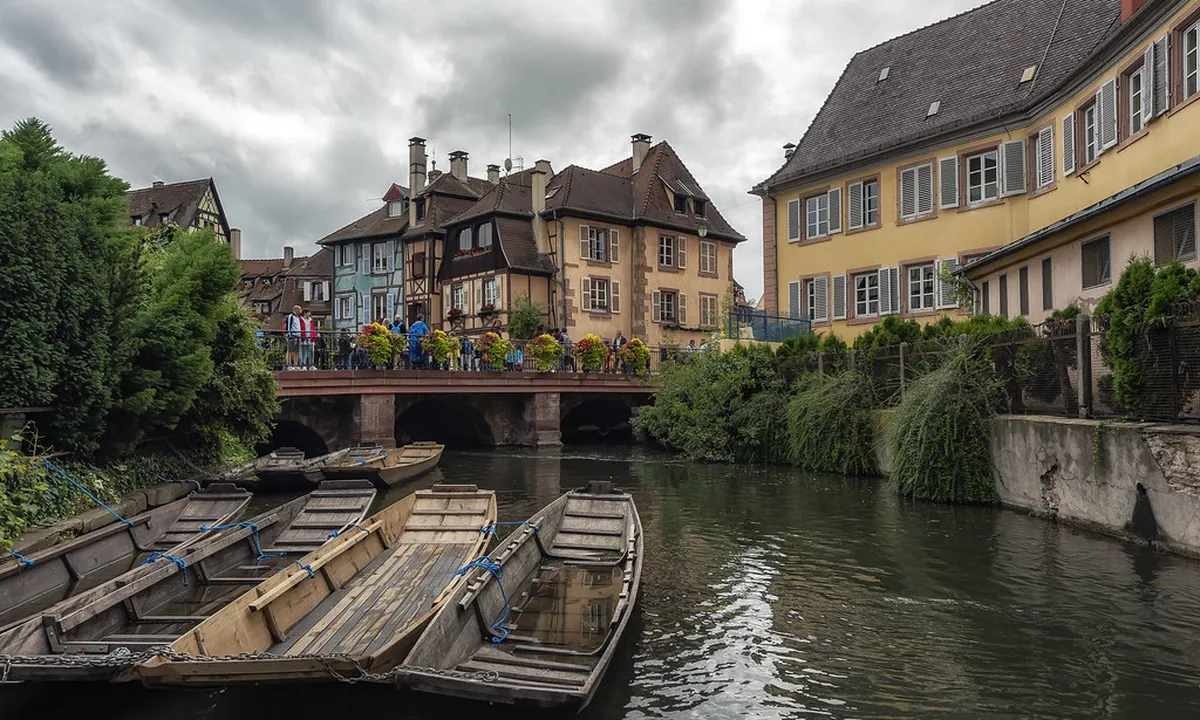
Compositional techniques can elevate your photos from simple snapshots to professional-looking pieces of architectural art. Use leading lines such as the wooden timber frames or the edges of the canals to guide the viewer. These lines should lead the eye toward a clear focal point like a church tower or bridge. You can also use the arches of the bridges to frame the houses in Petite Venise naturally.
Vary your perspective by shooting from both high and low angles to find the most interesting visual stories. Squatting low to the ground can make the tall buildings seem even more impressive and dominant in your frame. Alternatively, look for public balconies or higher street levels to get a bird's-eye view of the crowded rooftops. This change in height reveals patterns in the traditional Alsatian tile roofs that most people never notice.
Reflections are a key element of the Colmar aesthetic and should be used creatively in your photography portfolio. The Lauch River acts like a giant mirror for the colorful houses lining the famous Quay of Fishmongers. Wait for the water to become perfectly still to capture a symmetrical image of the architecture and its reflection. You can also look for rain puddles on the cobblestones after a spring shower for unique perspective shots.
Pay close attention to the edges of your frame to ensure there are no distracting modern elements present. Keep trash cans, modern signs, and parked cars out of your composition whenever it is possible to do so. Sometimes moving your tripod just a few inches to the left or right can hide an unsightly modern object. This attention to detail will make your 2025 photos feel timeless and much more professional.
Capturing Intricate Historic Building Details
The beauty of Colmar lies in the small details that decorate the facades of the many historic buildings found here. Look for the ornate carvings on the Maison des Têtes, which features over one hundred different sculpted stone heads. Use a telephoto lens to isolate these individual carvings and show the incredible craftsmanship of the local artisans. These close-up shots provide a wonderful contrast to the wider street scenes in your final photo gallery.
Wrought iron signs are a traditional feature of the Alsace region and make for excellent secondary photography subjects. Each sign usually depicts the trade of the business that originally occupied the building many centuries ago. Photograph these signs against a blurred background of colorful houses to create a sense of depth and local place. They add a touch of authentic character that helps define the unique atmosphere of this French border town.
Window boxes filled with bright red geraniums are a classic sight during the warmer spring and summer months. These flowers add a splash of organic color that complements the geometric lines of the wooden timber frames perfectly. Try to include these floral elements in the foreground of your architectural shots to add life and seasonal context. They represent the pride that local residents take in maintaining the beauty of their historic neighborhood.
The textures of the old building materials themselves are worth documenting with your camera during your visit. Focus on the rough grain of the centuries-old oak beams or the smooth surface of the local sandstone blocks. These textures tell the story of the town's longevity and its resilience through many different historical eras. Use a shallow depth of field to make these textures stand out against the rest of the building.
Navigating 2025 Crowds for Clean Shots
Colmar is a very popular destination, and managing the crowds is one of the biggest challenges for any photographer. The best strategy is to arrive at your chosen location just as the sun begins to come up. Most day-trippers do not arrive until after ten in the morning, giving you several hours of relative peace. You will have the streets mostly to yourself, allowing for wide shots without any people in them.
If you find yourself in a crowded area, use a long exposure to make the moving people disappear completely. You will need a strong neutral density filter to achieve this effect during the bright daylight hours. A shutter speed of thirty seconds or more will usually blur walking tourists into invisible ghosts in your frame. This technique works best if the people are constantly moving and not standing still for too long.
Explore the less famous side streets that are located just a few blocks away from the main tourist path. These quieter alleys often contain beautiful architecture that is just as impressive as the famous landmarks you see. You will find more authentic scenes of local life and fewer selfie-sticks blocking your view in these hidden spots. Wandering without a map is often the best way to find these secret photographic gems in 2025.
Patience is your most valuable asset when you are waiting for a clear shot in a busy public square. Sometimes you only need to wait a few minutes for a gap in the crowd to appear before you. Use this waiting time to check your settings and refine your composition so you are ready to shoot. Being polite to other visitors will also make your photography experience much more pleasant for everyone involved.
Frequently Asked Questions
What is the best month for photography in Colmar?
The best months for photography are May, June, and September when the weather is mild and flowers are blooming. December is also spectacular for the famous Christmas markets and festive lights. Avoid July and August if you want to stay away from the largest tourist crowds of the year.
Are tripods allowed in the streets of Colmar?
Yes, you can use tripods on the public streets and bridges throughout the town center for your shots. Be careful not to block the flow of pedestrians on the narrow sidewalks or busy stone bridges. Most locals are used to photographers and will usually walk around you if you are being respectful.
Where is the single best photo spot in the city?
The bridge on Rue des Écoles offers the most iconic view of the Petite Venise canal and its houses. This spot is very popular, so you should arrive very early to secure a good position for your tripod. It provides the perfect angle for capturing reflections and the classic timber-framed architecture together.
Do I need a special permit for commercial photography?
Personal photography does not require a permit, but commercial shoots may need prior approval from the local town hall. Always check the latest local regulations if you plan to use your images for advertising or professional film projects. For most hobbyists and social media users, no special paperwork is ever required to take photos.
Colmar offers a wealth of opportunities for anyone interested in high-quality architectural photography in 2025. By following these tips, you can capture the timeless beauty of this Alsatian town with professional precision and style. Remember to focus on the light, the gear, and the small details that make each building truly unique. Plan your trip today and start building your own stunning collection of best photo spots Colmar images.
Key Takeaways
- Arrive before sunrise to capture the streets without the large 2025 tourist crowds.
- Use a wide-angle lens for narrow streets and a polarizer for canal reflections.
- Focus on small details like wrought iron signs and floral window boxes for variety.
- Visit during the blue hour to capture the warm glow of the town's street lamps.
Related reads: streetartly.com, street art and architecture in colmar, street art colmar best angles.